Most of a residential plumbing system is invisible. The water service line running from the municipal main to the home, the sewer lateral connecting the building drain to the municipal sewer, and the weeping tile drainage system around the foundation all operate underground, out of sight and out of mind until a failure occurs. In GTA homes built before 1980, much of this buried infrastructure is original and approaching or exceeding its design service life.
The Ontario Building Code requires that new construction plumbing pass inspection before backfill, but existing buried infrastructure has no mandatory re-inspection requirement unless a permit-triggering repair is undertaken. This means millions of GTA homeowners are living with underground drain and service line systems they have never had assessed.
Galaxy Plumbing Inc. performs underground pipe assessments for homeowners preparing to purchase a property, preparing for renovation, managing recurring drain problems, or responding to unexplained wet spots, sinkholes, or foundation moisture that may indicate a buried pipe failure.
A thorough underground pipe assessment in Ontario involves multiple inspection techniques applied based on the age of the property, the materials present, and the specific concern prompting the assessment.
The technician reviews the property age, construction type, and the specific concern prompting the assessment. For pre-purchase inspections, this includes reviewing available building permit records and any existing plumbing documentation. For existing homeowners, the team notes any reported symptoms such as slow drains, basement moisture, or unexplained yard wet spots.
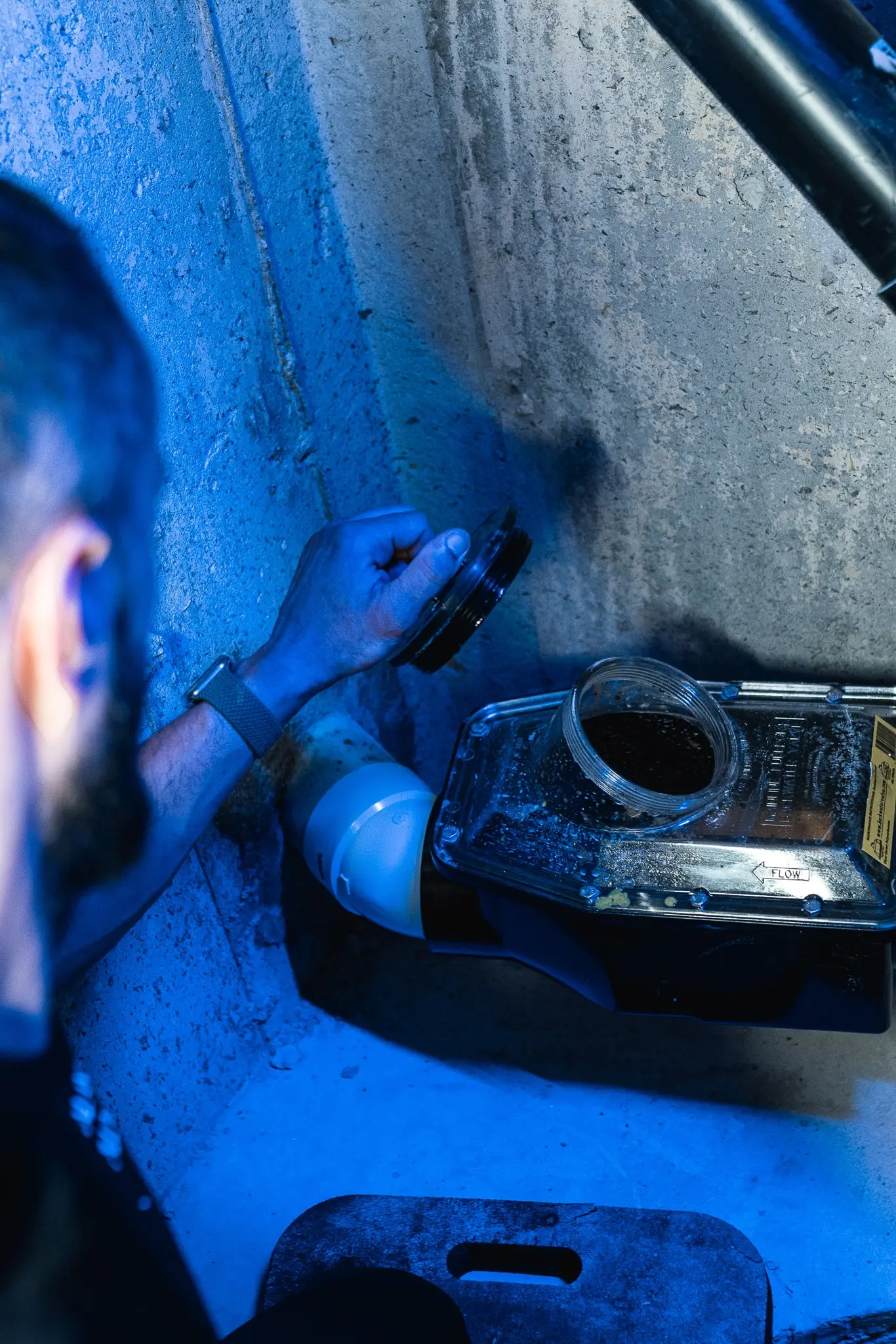
Using professional drain camera inspection equipment, the lateral is inspected from the main house cleanout through to the municipal connection. The camera identifies the pipe material, joint condition, root intrusion status, and any structural deformation or collapse along the lateral. Work of this type must be performed by a licensed plumber to ensure findings are accurate and any recommended repairs meet Ontario code requirements.
Accessible storm drain and weeping tile connection points are inspected visually and, where accessible, with camera equipment to assess whether foundation drainage is functioning and clear of obstructions.
The technician provides the homeowner with a verbal and, where applicable, written summary of findings organized by priority: issues requiring immediate attention, issues to monitor over the next one to three years, and items within acceptable condition for the property's age. Recommended corrective actions are explained with the reasoning behind each recommendation.
Underground pipe assessment is most critical at specific decision points in a property's lifecycle where findings directly influence financial decisions, repair planning, or safety outcomes.
Galaxy Plumbing Inc. provides underground pipe assessment and related drain inspection services across the Greater Toronto Area. Homeowners in Mississauga, Toronto, Etobicoke, Scarborough, and Oakville can schedule an assessment with our licensed plumbing team. Property management clients managing multi-unit or commercial buildings can access this service through our property management program.
A buried pipe failure in a GTA home does not announce itself until the damage is already significant. Underground pipe assessment by Galaxy Plumbing Inc. gives homeowners and property managers the information they need to make proactive, cost-effective decisions about their plumbing infrastructure. Contact our team to arrange an underground pipe assessment for your property. Our team provides honest findings, clear documentation, and repair recommendations grounded in what the inspection actually reveals.
An underground pipe assessment evaluates all buried plumbing infrastructure on a property, including the sewer lateral, storm drains, weeping tile, and water service line entry point. A standard drain inspection typically addresses individual drain lines inside the building from the fixture down. Galaxy Plumbing Inc. offers both, with our drain camera inspection service forming the core diagnostic tool for sewer lateral and accessible buried drain assessment across the GTA.
A thorough underground pipe assessment for a typical detached GTA home takes between one and three hours depending on the number of access points, the length of the sewer lateral, and whether weeping tile or storm drain connections are accessible for inspection. Properties with complex foundation drainage systems or multiple lateral connections may require longer. Galaxy Plumbing Inc. provides a realistic time estimate when scheduling. Reviewing when calling a licensed plumber makes sense before problems escalate helps homeowners understand which situations warrant a full underground assessment rather than a standard drain call.
A standard underground pipe assessment can identify visible indicators of water service line problems at the foundation entry point, including corrosion, mineral staining, and pressure irregularities. However, full water service line camera inspection requires specialist equipment not used in routine drain assessments. When a water service line failure is suspected, Galaxy Plumbing Inc. assesses what is accessible and recommends the appropriate next steps. See our water leak detection service for related diagnostic options.
Yes. Any basement renovation involving underpinning, waterproofing, concrete cutting, or changes to interior drain layout should begin with an underground pipe assessment. The assessment confirms the condition and location of buried laterals before excavation begins, preventing accidental pipe damage and identifying any pre-existing structural issues that would affect the renovation design. Galaxy Plumbing Inc. coordinates with homeowners and renovation contractors across the GTA to complete pre-renovation pipe assessments efficiently. Understanding how buried drain issues contribute to basement flooding explains why pre-renovation pipe condition matters before any foundation work begins.
If camera inspection reveals a serious structural pipe issue such as a partially collapsed lateral, advanced root intrusion, or significant pipe deflection, Galaxy Plumbing Inc. provides the homeowner with a clear explanation of the finding, the risk it presents, and the available repair options. Repair options may include targeted pipe section replacement, pipe relining, full lateral replacement, or, where the issue is minor and stable, a monitored watch-and-assess approach. No repair work is undertaken without the homeowner's informed consent. Our blog on roots and clay pipe drain problems explains common findings in older GTA pipe systems.