A sump pump sits in a dark corner of the basement, operating automatically and invisibly until the day it does not. The failure mode that plumbers see most often is not sudden mechanical collapse. It is gradual degradation, a float switch that sticks from debris accumulation, a discharge line that develops a partial freeze or a check valve that seizes, an impeller that corrodes, or a battery backup that lost its charge capacity two years ago without anyone noticing.
Every one of these failure modes is detectable through a basic sump pump maintenance checklist carried out twice a year. The cost of a professional maintenance visit or a conscientious homeowner inspection is negligible compared to the cost of replacing water-damaged flooring, drywall, insulation, and personal belongings after a basement flooding event.
Galaxy Plumbing's team services sump pump systems across the GTA and consistently finds that homes with a documented maintenance history have far fewer emergency calls than those where the pump has operated unexamined for years. For homeowners who prefer a professional to carry out the annual inspection, our licensed Scarborough plumbers and Toronto plumbing team include sump pump checks as part of broader home plumbing maintenance visits.
You do not need specialist equipment to complete a sump pump maintenance checklist. The following items cover the inspection and basic cleaning tasks.
The period just before the spring thaw is the most important maintenance window of the year. Snowmelt and early-spring rainfall arrive together and represent the highest sustained water table event most GTA basements face annually. Completing the following checks before this period gives you the widest window to correct any problem before the load begins.
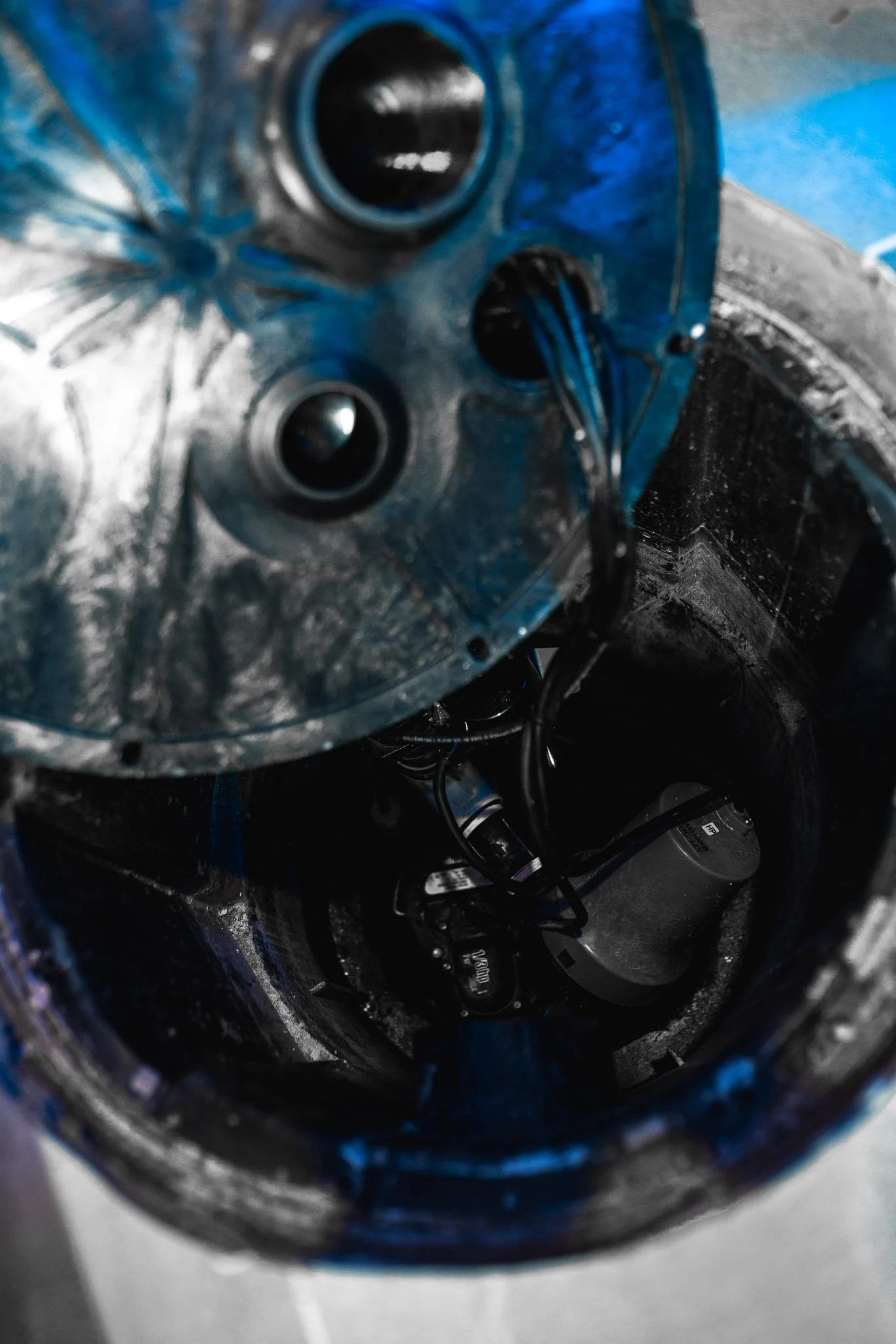
Remove the pit cover and inspect the interior with a flashlight. Look for debris accumulation on the pit floor including gravel, sediment, and any objects that may have fallen in. Debris on the pit floor can jam the float switch, obstruct the pump intake, or accelerate impeller wear. Remove any debris and rinse the pit walls if mineral scale has accumulated.
Slowly pour several litres of water into the pit and observe the float switch as the water level rises. The pump should activate cleanly at its set trigger level without hesitation or delay. If the float sticks, pivots awkwardly, or fails to trigger the pump at the expected level, clean the float housing of any scale or debris. If the problem persists after cleaning, the float switch requires replacement. A float switch that fails to trigger is the most common cause of sump pump flooding events.
With the pump running after the float trigger, listen and observe. The pump should run smoothly without rattling, grinding, or humming that differs from its normal operating sound. Once activated, it should clear the water added and shut off cleanly. A pump that runs continuously without fully emptying the pit, or one that short-cycles (starts and stops rapidly), may have an intake blockage, a failing check valve, or a mechanical issue that warrants professional assessment.
The check valve on the discharge line prevents water from flowing back into the pit when the pump stops. After the pump shuts off, listen for a brief knock or clunk sound, which is the check valve seating as back-pressure closes it. If water visibly drains back into the pit after the pump stops, or if you hear the pump immediately cycling on again after shutting off, the check valve has failed. A failed check valve causes the pump to cycle repeatedly, wasting energy and accelerating motor wear. Replacement is a straightforward task for a licensed plumber and is far less expensive than the motor damage a failed check valve causes over time.
Trace the discharge line from the pit to its termination point outside the home. Confirm that the line is intact, that no joints have separated over the winter, and that the exterior termination is clear of ice, debris, or blockage. A blocked discharge line causes the pump to run against back-pressure, reducing its effectiveness and accelerating wear. Confirm that the termination point directs water well away from the foundation in compliance with Ontario's minimum setback requirements. Homeowners preparing for winter should also review our guide on winterizing your home's plumbing, which covers discharge line freeze prevention in detail.
Disconnect the primary pump's power supply and pour water into the pit to trigger the backup system. The backup pump should activate from battery power without delay and discharge water correctly. Let it run for two to three minutes, then restore primary power and confirm the primary pump takes over. After the test, confirm that the battery charger indicator shows the battery returning to charge.
If the backup pump fails to activate during this test, or if it activates but the flow is noticeably weaker than expected, the battery may have lost effective capacity. Use a load tester or multimeter to assess the battery under load. A battery that reads 12 volts at rest but drops below 10.5 volts under load has insufficient remaining capacity and should be replaced before the spring wet season begins.
Many submersible sump pumps have an intake screen or filter at the base of the pump housing. This screen prevents debris from entering the impeller housing. Over time it accumulates silt, grit, and fine debris. Remove the pump from the pit (disconnect power first), rinse the intake screen, and clear any material that has collected around the base of the pump before reinstalling.
Ontario's fall can bring significant rainfall, and the period between late September and December sees a second period of elevated water table activity as the soil saturation from summer droughts reverses. Repeating the key checks from the spring checklist ensures the system is in condition for this period.
Confirm the float trigger and pump run behaviour are consistent with the spring test results. Any change in triggering behaviour, run sound, or discharge volume is a signal worth investigating before the wet season accelerates.
As the temperature begins to drop in October and November, confirm the exterior section of the discharge line is insulated if it runs above grade or through an unheated space. Discharge line freezing in an early cold snap can cause the pump to run against a blocked line and overheat. Insulating the vulnerable section prevents this failure mode.
Repeat the backup battery load test. If the battery passed the spring test with a marginal result, the six months of standby since that test may have brought it below the acceptable threshold. Proactive replacement in October is far less stressful than discovering a failed battery in January during a winter thaw event.
While the homeowner checklist above covers the core maintenance tasks, a professional annual inspection adds value in several ways. A licensed plumber checks the pump motor's electrical draw (a motor drawing more current than its rated specification is approaching the end of its service life), assesses the pit condition for cracks or infiltration around the perimeter that may indicate foundation drainage issues, and advises on whether the current pump specification remains appropriate for changes in the water table behaviour around the property.
Our Mississauga plumbing team and Oakville plumbers include professional sump pump inspections as part of broader annual home plumbing maintenance visits, which is an efficient way to cover the sump system alongside other seasonal plumbing checks. The Canada Mortgage and Housing Corporation recommends annual sump system inspection as part of Canadian home maintenance standards.
A sump pump that is 8 to 10 years old and showing symptoms such as unusual noise, slow clearing, frequent cycling, or a motor that is hot to the touch after normal operation has entered the zone where proactive replacement is more cost-effective than continued maintenance and reactive repair. Waiting for a pump in this condition to fail completely means the failure will almost certainly occur during a heavy rainfall event when the consequences are highest.
Galaxy Plumbing's licensed team provides sump pump assessment, maintenance, and replacement across the GTA. If your pump is approaching the end of its service life or if this sump pump maintenance checklist has identified a concern you want a professional to evaluate, contact our team for a free assessment. You can also review our full range of residential plumbing services to understand how sump pump maintenance fits into a broader home plumbing care plan.
For homeowners considering whether additional basement flooding protection is warranted alongside sump pump maintenance, our flood prevention solutions page explains how backwater valves and sump systems work together to address different flooding risk pathways. Undetected water intrusion around the sump pit perimeter can also indicate hidden leaks; our professional leak detection services address that risk before it escalates.
The items on this sump pump maintenance checklist take less than an hour to complete twice a year. That investment of time is what separates a system that protects your basement reliably for 10 years from one that fails at the worst possible moment after an undetected decline. The float switch test, the backup battery load test, and the discharge line check are the three steps that catch the most common failure modes before they become flooding events.
Keep this checklist accessible, set a calendar reminder for March and September, and treat the sump pump inspection with the same priority you give your furnace filter or smoke detector test. The cost of not doing it is measured in flooding events and insurance claims.
Testing twice per year is the minimum recommended frequency: once before the spring thaw and once before the fall wet season. If your home is in a low-lying area, near a watercourse, or has a history of high water table activity, quarterly testing is a more appropriate interval.
A pump that runs continuously without cycling off may have a failed float switch that is stuck in the on position, a check valve that is allowing discharged water to flow back into the pit and re-trigger the pump, or a genuinely high water table condition requiring more pump capacity than the current unit provides. Investigate the float switch and check valve first. If both are functioning correctly, a licensed plumber should assess whether the pump is undersized for current conditions.
A grinding, rattling, or unusually loud humming that differs from the pump's normal operating sound often indicates debris in the impeller housing, a worn bearing in the motor, or cavitation from a partially blocked intake. Clean the intake screen and inspect the pit for debris first. If the noise persists, a licensed plumber should assess the pump before the noise progresses to a motor failure.
Replacing a pump in an existing pit with the same model and specification is within the capability of a mechanically confident homeowner. Correctly setting the float switch trigger level, installing or replacing the check valve, and confirming the discharge line connection is secure are the three steps most often performed incorrectly in DIY replacements. A licensed plumber provides a tested, correctly configured installation with confirmation that the system performs as designed.
If your sump pump fails during an active flooding event, call a licensed emergency plumber immediately. While waiting, use a wet-dry vacuum or submersible pump to manually remove water from the pit if the volume is manageable. Move water-vulnerable items off the basement floor if safe to do so. Document any water damage with photographs before cleanup begins for your insurance claim. Our 24/7 emergency repair team responds to sump pump failure calls across the GTA around the clock.
Galaxy Plumbing's licensed plumbers provide sump pump inspections, maintenance, and replacement across the Greater Toronto Area. Whether you want a professional to complete your seasonal checklist, assess a pump showing symptoms, or replace a system approaching the end of its service life, our team provides honest assessments and transparent pricing. Contact us to schedule a visit.