Few plumbing installations involve as many variables as a sump pump. The scope of work depends entirely on the current state of your basement: whether a sump pit already exists, how deep it is, whether it is lined, where the discharge line runs, and whether the existing electrical service to the area is adequate. A home that already has a functional pit with a failed pump needs a fraction of the work required by a home receiving its first sump system.
Galaxy Plumbing's team installs and services sump pump systems across the GTA, and the pricing conversations our licensed Toronto plumbers and Mississauga plumbing team have every season reflect how dramatically scope influences cost. This guide breaks down each component so you know what you are budgeting for before a single quote arrives.
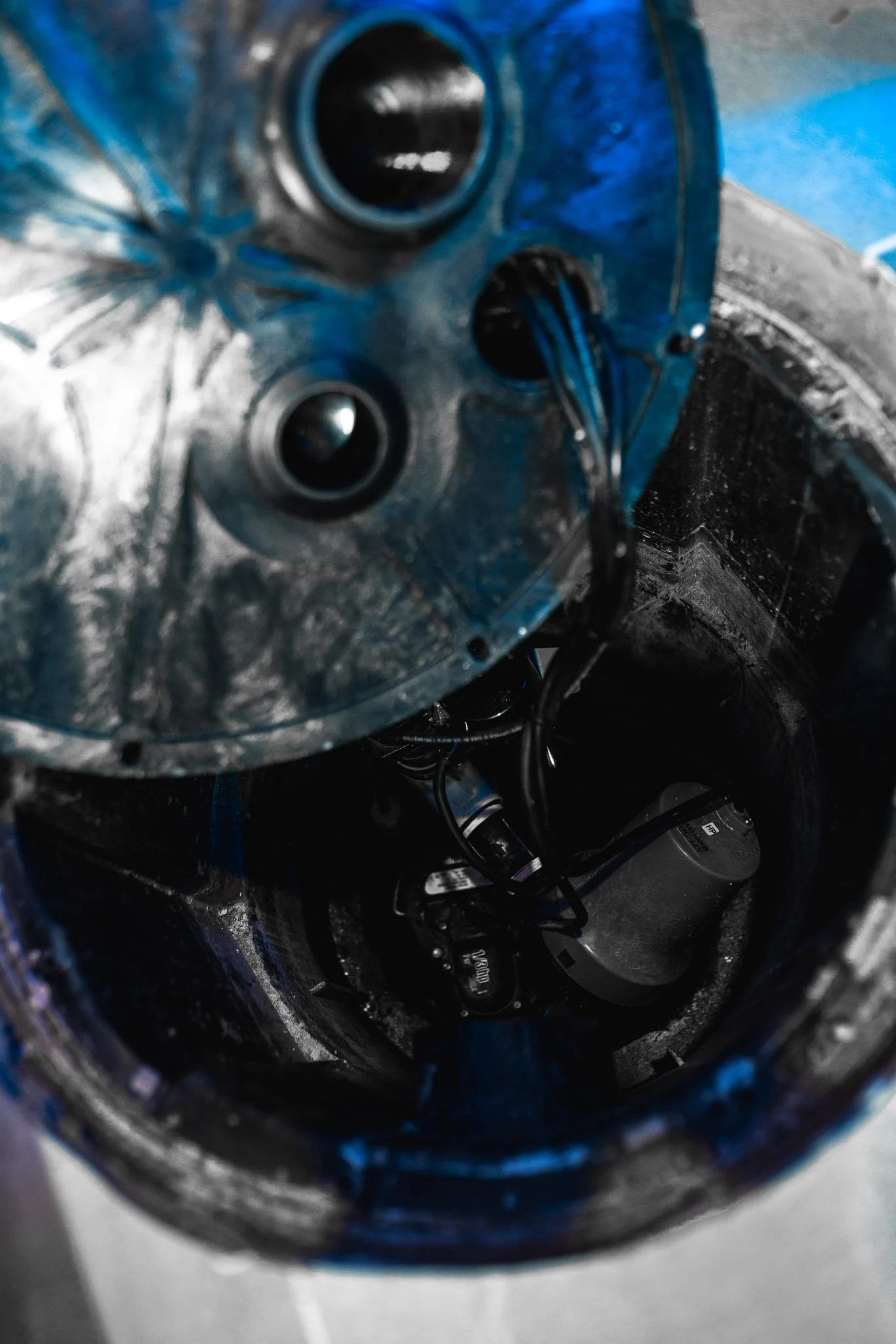
The sump pit is the basin cut into the basement floor that collects groundwater before the pump removes it. If your home already has a pit, the installation involves fitting the new pump into an existing hole, connecting the discharge line, and testing the system. If no pit exists, the plumber must cut through the concrete basement floor, excavate to the appropriate depth (typically 18 to 24 inches for most Ontario homes), line the pit with a perforated basin, and restore the concrete around it. This excavation and restoration work adds $400 to $800 or more to the base installation cost.
Submersible pumps sit inside the pit below the water line and are the standard for most Ontario homes. Pedestal pumps mount the motor above the pit on a shaft and are less common in new installations but still found in older homes. Submersible pumps are quieter, more efficient, and handle larger volumes of water. The horsepower rating, float switch type, and brand quality all influence the pump's price, which typically ranges from $150 for a basic entry model to $600 or more for a heavy-duty unit appropriate for a high-water-table property.
The discharge line carries water from the pit to a point outside the home, typically at least 1.5 metres from the foundation as required by Ontario's Building Code to prevent the discharged water from re-entering the drainage layer around the foundation. The length and routing complexity of the discharge line, including whether it needs to run through walls, around obstacles, or be insulated to prevent winter freezing, affects the total cost.
Ontario's Building Code requires that sump pump discharge not drain to the sanitary sewer system. The discharge line must terminate to daylight: a yard, a storm sewer connection, or a weeping tile system. A plumber familiar with local requirements, such as our Oakville plumbers and Scarborough plumbing team, will confirm the compliant discharge option for your specific property.
A check valve prevents discharged water from flowing back into the pit when the pump stops. It is a required component of every properly installed sump system and is included in most professional installation quotes. Its cost is modest, but its absence causes the pump to cycle continuously and wear out prematurely.
A primary sump pump without a backup system leaves your basement unprotected during power outages, which in Ontario often coincide with the heavy rainfall events that demand the most from the pump. Battery backup systems, which use a 12-volt marine battery to power a secondary pump during an outage, add $300 to $700 to the installation depending on the battery capacity and backup pump specification. Water-powered backup systems, which use municipal water pressure to drive a backup pump without electricity, are an alternative where water pressure is consistently strong. We cover backup systems in detail in the sump pump battery backup guide for homeowners wanting to understand their options.
Many Ontario homeowners install a backwater valve at the same time as a sump pump to provide comprehensive basement flooding protection. The backwater valve prevents municipal sewer overflow from entering the home through the sewer lateral, while the sump pump handles groundwater accumulation. Installing both in a single visit reduces the combined labour cost compared to scheduling them separately. Our full basement flood protection services include both systems.
The following ranges reflect current GTA market conditions for licensed, insured plumbing contractors. These are general references for budgeting, not fixed quotes. Your specific situation determines the actual scope and cost.
These ranges do not include permit fees where required. In Ontario, some municipalities require a building permit for sump pit excavation. Your plumber should confirm local permit requirements as part of the assessment.
Several Ontario municipalities offer financial assistance programs for basement flooding protection systems, including sump pump installation and backwater valve installation. These programs reflect the municipal interest in reducing the frequency and cost of basement flooding claims during severe weather events.
The City of Toronto's Basement Flooding Protection Subsidy Program offers eligible homeowners subsidies for qualifying installations including sump pumps and backwater valves. Similar programs exist in Mississauga, Brampton, and other GTA-area municipalities. Ask your plumber whether your property and planned installation qualify for local subsidy programs before work begins, as the subsidy often requires that the work be performed by a licensed contractor and documented with receipts and permits.
A professional installation begins with the plumber assessing the existing pit condition, the water table characteristics of the property, the discharge line options, and the basement's current drainage layout. This assessment takes 15 to 30 minutes and directly informs the equipment recommendation and quote.
The plumber confirms the pump specification appropriate for the property, including horsepower rating and float switch type. A 1/3 horsepower submersible pump is adequate for most standard Ontario residential applications. Homes with a high water table, large basement square footage, or a history of significant water intrusion may warrant a 1/2 or 3/4 horsepower unit.
The pump is seated in the pit, the discharge line is connected and routed to its termination point, the check valve is installed, and the float switch is set at the appropriate trigger level. The plumber tests the system by pouring water into the pit to confirm that the pump activates at the correct water level, runs without unusual noise or vibration, and discharges cleanly to the correct termination point.
A licensed plumber finishes the installation by walking you through how the system operates, explaining the annual maintenance steps you should perform, and advising on the recommended test interval. For more detail on ongoing maintenance, our dedicated sump pump maintenance checklist covers every step a homeowner should follow to keep the system performing reliably through every season.
The difference between a properly specified and installed sump pump system and one that barely meets the minimum is measured in years of reliable service versus callbacks and premature failures. A properly sized pump for the specific water table and basement volume, a correctly routed and insulated discharge line, a functioning check valve, and a battery backup all contribute to a system that protects your home when it is most needed: during the worst rainfall events at the worst possible times.
Galaxy Plumbing installs sump pump systems with the same attention to specification and detail that governs all of our work. Whether you are in Toronto, Etobicoke, or Oakville, our team approaches every installation with a long-term view of your home's protection. Visit our about us page to understand our approach, or contact our team to request a free quote and on-site assessment.
For a broader understanding of basement flooding risks and protection options available to Ontario homeowners, the Insurance Bureau of Canada provides resources on flood risk management and the insurance coverage considerations that accompany basement protection installations.
A pump replacement in an existing pit typically takes one to two hours. A full new installation including pit excavation, discharge line routing, and concrete restoration can take four to six hours or more depending on access and complexity.
Permit requirements vary by municipality. Some Ontario municipalities require a building permit for any work involving cutting the basement floor, while others do not for like-for-like pump replacements. Your plumber should confirm local requirements during the assessment. Unpermitted work where a permit is required can affect your home insurance coverage and create issues at the time of sale.
A quality submersible sump pump in a properly installed system typically lasts 7 to 12 years with regular maintenance. Pumps in high water table environments that cycle frequently may reach the lower end of that range. Annual testing and inspection, combined with proactive replacement before the unit fails, is the most reliable approach.
Yes, particularly if the pump is approaching 8 to 10 years of service. Sump pump failures most often occur during the heavy rainfall events when the pump is working hardest, which is the worst possible time to be without protection. Proactive replacement before failure is far less disruptive and costly than emergency replacement during a basement flooding event.
A functioning sump pump system is a positive feature in a home sale in the GTA, particularly for buyers who have experienced or researched basement flooding in the area. It is not typically a primary value driver, but its absence in a high-risk property is a meaningful disclosure point. A properly installed and maintained system provides protection that buyers recognise as a practical long-term asset.
Galaxy Plumbing installs sump pump systems across the Greater Toronto Area with transparent pricing, proper permitting guidance, and long-term reliability as the standard. Our licensed team assesses your basement, recommends the right specification, and completes the installation with the care your home deserves. Contact our team for a free on-site quote.