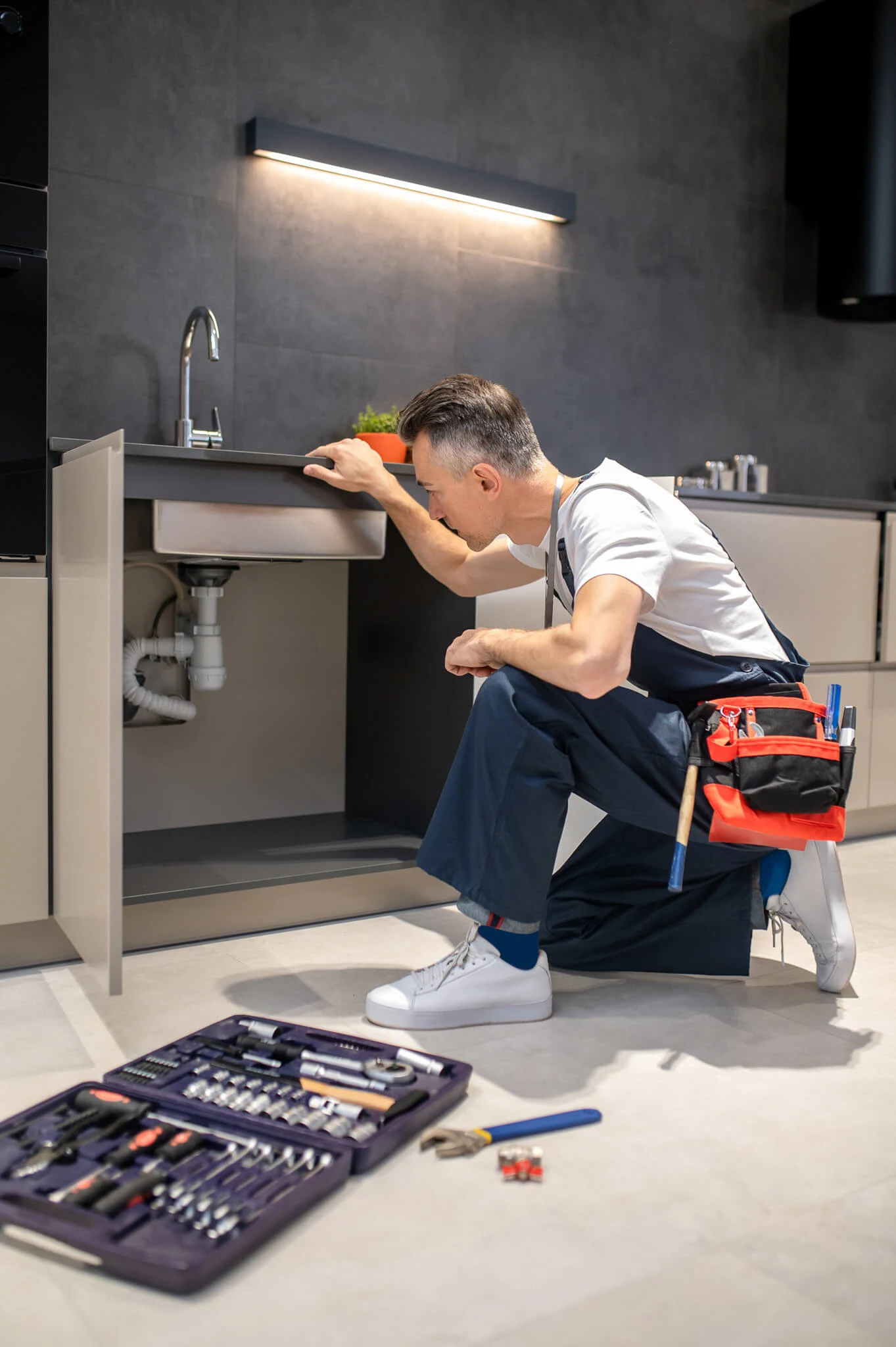
Plumbing emergencies do not follow a schedule. They happen during winter storms, on long weekends, late at night, and while you are away from home. The difference between a contained, manageable situation and a property disaster that takes weeks to restore is almost always a matter of how quickly and correctly the first 15 minutes are handled.
This plumbing emergency guide is a practical reference built from two decades of emergency response experience across the Greater Toronto Area. Each section covers a specific scenario with clear actions in the order you should take them.Read through the full guide now, while nothing is wrong, so that when something does go wrong you already know what to do. The team at Galaxy Plumbing has assembled this based on two decades of emergency response experience across the Greater Toronto Area.
Before addressing the specifics of any individual emergency, the following three steps apply universally and should become automatic responses.
Every adult in the household should know where the main water shut-off valve is located and how to operate it. In most Ontario homes, this valve is near the water meter in the basement, utility room, or where the water line enters the foundation. Turning this valve clockwise closes it and stops water from flowing into the damaged area.
For localized issues, individual shut-off valves under sinks, behind toilets, and at appliance connections can isolate a single fixture without cutting water to the whole house. If you suspect a hidden leak that you cannot trace, our water leak detection service can pinpoint the source without unnecessary demolition.
Water and electricity in proximity is a life-threatening combination. If flooding or leaking water is near any electrical outlet, panel, fixture, or wiring, cut the power to the affected circuit at the breaker panel before entering the area. If you are unsure which circuit covers the affected area, shut off the main breaker.
With water stopped and electrical hazards addressed, the next step is professional help. Galaxy Plumbing's 24/7 emergency repair service is available across the GTA for immediate response. Do not attempt structural repairs to pipes, fittings, or fixtures yourself. Temporary measures are appropriate only while waiting for the plumber to arrive.
A burst pipe is one of the highest-urgency scenarios in this plumbing emergency guide. Follow the universal three steps above, then open the cold water taps throughout the house to drain remaining water from the lines and reduce pressure in the system. Collect and contain standing water with towels and buckets. Photograph everything for your insurance claim before beginning cleanup.
Do not try to repair the burst section with tape, clamps, or sealant as a permanent fix. These measures may slow the immediate leak but conceal related damage. A licensed plumber must assess the full extent of the rupture, inspect adjacent pipe sections, and carry out a permanent repair. For clients in the GTA, our Toronto plumbing team and Mississauga plumbers respond to burst pipe calls around the clock.
A sewage backup is a health emergency as well as a plumbing one. Stop using all water in the home immediately. Do not flush toilets, run faucets, or operate any appliance that drains to the plumbing system. This prevents additional sewage volume from entering an already overwhelmed line.
Do not attempt to clean up raw sewage without proper protective equipment, and do not use chemical drain cleaners in a backed-up line. Call a licensed emergency plumber and contact your home insurer as soon as the situation is safe to do so. Document all visible damage with photographs. The Insurance Bureau of Canada offers guidance on what home insurance policies typically cover in sewage backup scenarios.
An overflowing toilet is alarming but manageable when you act quickly. Remove the lid from the toilet tank and press down the flapper to stop water flowing into the bowl. Then locate and close the shut-off valve behind the base of the toilet, turning it clockwise to stop the water supply entirely.
Place towels to contain water spread and avoid using any other fixtures until you have identified whether the overflow was caused by a localized clog or a sign of a deeper main line blockage. If a plunger does not clear the clog after one or two attempts and the bowl remains full or slow to drain, call a plumber rather than continuing to force material through a potentially blocked line. Galaxy Plumbing's toilet repair service handles both simple clogs and complex blockage situations.
No hot water is not typically a safety emergency, but it can become urgent in winter when hot water is needed for household function and comfort. Begin by checking the circuit breaker for an electric heater or the pilot light status for a gas heater. If the breaker is tripped, reset it once. If it trips again, call an electrician or plumber. If the pilot light is out, follow the relight instructions printed on the unit.
If these checks do not restore hot water within the expected recovery time, a failed heating element, thermostat, or a heater at the end of its service life may be responsible. Galaxy Plumbing's water heater team can diagnose and resolve most hot water failures in a single visit.
This scenario falls outside a standard plumbing emergency guide and into life safety territory. If you smell gas near a water heater, boiler, or any gas-connected plumbing appliance, do not operate any light switches, electrical devices, or open flames. Do not attempt to locate the leak yourself. Leave the home immediately, leave the door open behind you, and call your gas utility company and 911 from outside. Do not re-enter until the gas company has confirmed the property is safe.
The Technical Standards and Safety Authority (TSSA) governs gas safety in Ontario and provides clear guidance on what to do in gas-related emergencies.
A frozen pipe is an emergency in progress. Open the tap served by the frozen line so water can flow once the pipe thaws. Apply gentle heat to the frozen section using a hair dryer on a low setting, a heating pad wrapped around the pipe, or warm (not boiling) towels. Work from the tap end toward the frozen area, not the other direction.
Never apply open flame, a heat gun, or a propane torch to a pipe. These create a fire risk and can cause the pipe to expand and burst more violently than the freeze itself. If you cannot locate the frozen section or the pipe does not thaw within a reasonable time, call a licensed plumber. Clients in Etobicoke and Oakville can reach our Etobicoke plumbing team and Oakville plumbers for immediate support.
Basement flooding can originate from a plumbing failure, a sump pump malfunction, a municipal sewer backup, or overland water entry. Identifying the source determines the response. Before entering a flooded basement, confirm that the electrical panel is accessible from outside the flooded area and shut off the circuits covering the basement.
If the water source is a plumbing failure, shut off the main water supply. If it appears to be sewer backup, stop all water use in the home and call an emergency plumber. If the sump pump has failed, and a backup pump or battery unit is available, activate it. The City of Toronto's basement flooding resources cover municipal programs and available subsidies for flood prevention systems.
Preparation before a plumbing emergency is the most valuable part of any plumbing emergency guide. The following items and information should be accessible to every adult in your household.
Saving Galaxy Plumbing's contact information in your phone before you need it is one of the most practical steps you can take as an Ontario homeowner. Knowing who to call removes one decision from an already stressful situation.
For commercial property owners and managers, the stakes in a plumbing emergency include operational downtime, customer and tenant impact, and regulatory compliance. A sewage backup, flooding, or loss of hot water in a commercial kitchen or multi-unit building requires the same first steps outlined in this guide, but with additional urgency around notifying occupants, documenting for insurance, and restoring function to minimize business disruption.
Galaxy Plumbing's property management and commercial plumbing services are specifically designed for the demands of commercial emergency response, with the speed, scale, and documentation support that commercial situations require.
Most homeowners only think about their plumbing system when something goes wrong. This plumbing emergency guide exists to shift that pattern. Knowing the location of your shut-off valves, understanding the most likely failure scenarios, and having a licensed plumber's number saved before the first crisis arrives puts you in control of an inherently chaotic situation.
Galaxy Plumbing's team is available 24 hours a day, seven days a week across the Greater Toronto Area for every scenario covered in this guide. Our licensed plumbers arrive prepared to diagnose, assess, and repair correctly the first time. Learn more about our team and our approach by visiting our about us page.
Shutting off the main water supply is the single most important first action in almost every plumbing emergency. It stops additional water from entering the damaged area and gives you time to assess the situation safely before a plumber arrives.
In most Ontario homes, the main shut-off valve is located in the basement, utility room, or near where the water supply line enters the house. It is typically a gate valve (round wheel handle) or a ball valve (lever handle). Turning a gate valve clockwise closes it. Turning a ball valve 90 degrees so the lever is perpendicular to the pipe closes it.
Call 911 if you detect a gas smell, if anyone has been exposed to electrical shock, or if flooding poses an immediate safety hazard. For gas-related issues, also call your gas utility company from outside the property. Standard plumbing emergencies without gas or electrical components are handled by a licensed emergency plumber, not emergency services.
No. Chemical drain cleaners are not effective for main sewer line blockages and can create hazardous conditions if the backup involves raw sewage. They also increase the safety risk for the plumber who arrives to assess the line. Stop all water use and call a licensed plumber.
A situation is a plumbing emergency when it involves active water release you cannot stop, any involvement of sewage, risk of structural damage to the property, no hot water in conditions where it is a health necessity, or any gas smell near plumbing appliances. When in doubt, calling a 24-hour plumber and describing the situation allows a professional to help you assess the urgency.
Galaxy Plumbing provides 24/7 emergency plumbing response across the Greater Toronto Area. Our licensed team is prepared for every scenario in this guide, from burst pipes and sewage backups to frozen pipes and hot water failures.Contact us now to save our details and have the peace of mind that comes with knowing exactly who to call.