-p-500.webp)
AC Not Cooling Troubleshooting Tips Before You Call
Most air conditioners that run but do not cool trace back to a dirty filter, an incorrect thermostat setting, a blocked outdoor unit, or a frozen evaporator coil. A handful of these issues can be checked safely without tools, but a hissing sound, visible ice, or a system that will not restart points to a refrigerant or mechanical problem that needs a licensed technician. Galaxy Plumbing's HVAC team diagnoses and repairs cooling failures across the GTA.
read more
read more
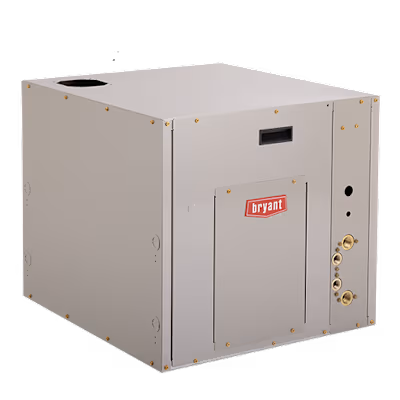
Ductless Split Cost Ontario Explained for Homeowners
A ductless split system in Ontario typically costs between $3,000 and $6,500 for a single-zone installation, while multi-zone systems can range from $6,000 to $15,000 or more depending on equipment selection, home requirements, and installation complexity. The final price can vary based on factors such as electrical upgrades, heat pump efficiency ratings, indoor unit placement, and the number of zones needed to properly heat and cool your home.
read more
read more
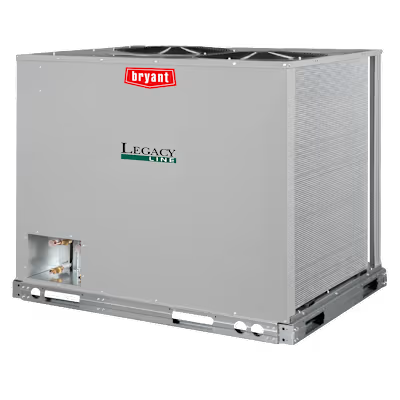
Ductless Split Systems: What Ontario Homeowners Should Know
A ductless split system heats and cools individual rooms or zones without ductwork. It is an efficient and flexible solution for GTA homes without central air, older homes, additions, and basements. A single-zone system costs $3,000 to $6,000 installed. Multi-zone systems range from $7,000 to $15,000 or more.
read more
read more
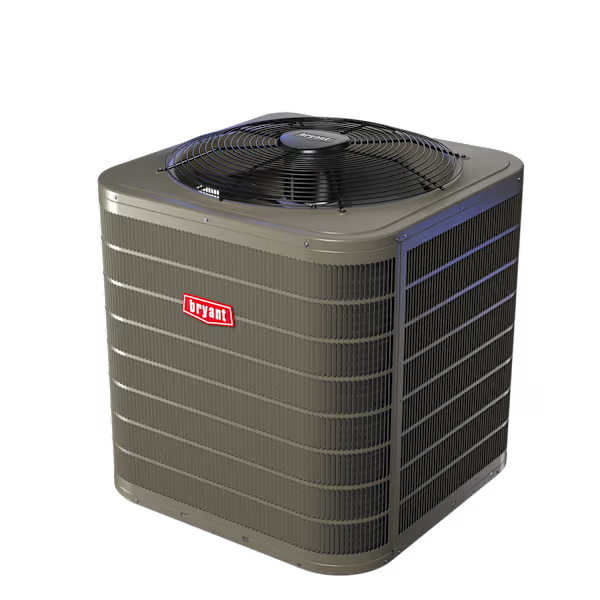
Heat Pump Installation Cost in Ontario
Heat pump installation in Ontario typically costs between $5,000 and $14,000 all in, depending on the unit type, home size, existing infrastructure, and whether backup heating is included. Federal rebates can offset $3,500 to $6,500 of that cost for qualifying cold-climate installations.
read more
read more
-p-500.webp)
Heat Pump vs Furnace: Which Is Right for Your Ontario Home?
Both heat pumps and gas furnaces are viable heating options for GTA homes. Gas furnaces cost less upfront and perform reliably in extreme cold. Heat pumps offer year-round efficiency and lower operating costs when sized and installed correctly, particularly for homes with moderate heating loads. The right answer depends on your home, budget, and long-term energy goals.
read more
read more
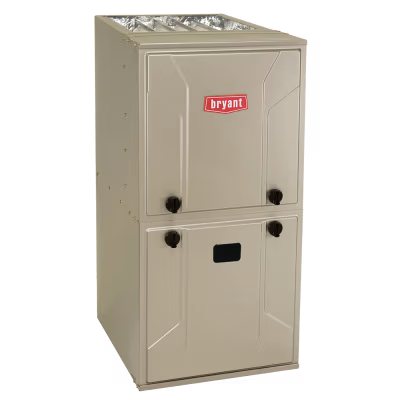
No Heat From Your Furnace: Emergency Steps to Take
If your furnace stops producing heat, work through a short checklist before calling for emergency service. Many no-heat situations resolve with a thermostat adjustment, a filter check, or a reset. When the cause is not immediately clear, Galaxy Plumbing provides emergency furnace repair across the GTA.
read more
read more
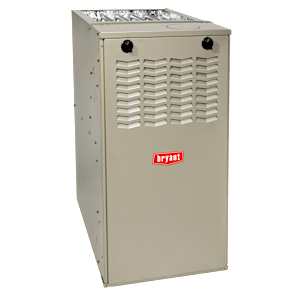
Why Is Your Furnace Blowing Cold Air?
A furnace blowing cold air is most often caused by thermostat settings, a clogged filter, a tripped high-limit switch, pilot light or ignition failure, or a problem with the gas supply. Some causes are simple to fix yourself. Others need a licensed HVAC technician.
read more
read more
.webp)
What to Expect During a Furnace Installation
A standard residential furnace installation in the GTA takes four to eight hours and follows a clear sequence from site assessment through system startup. Knowing what happens at each stage helps you prepare your home and ask the right questions before the technician arrives.
read more
read more
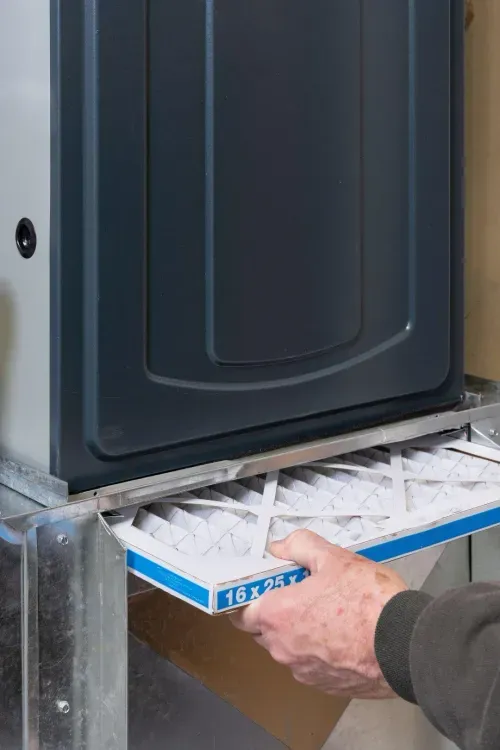
How Often Should You Change Your Furnace Filter?
Most furnace filters should be changed every one to three months, depending on filter type, home size, and household conditions such as pets or allergies. Staying on schedule protects your furnace, improves air quality, and keeps your energy costs in check.
read more
read more
Furnace Installation Cost in Ontario
Furnace installation in Ontario typically costs between $3,000 and $8,000, depending on the furnace type, efficiency rating, home size, and labour requirements. Galaxy Plumbing provides upfront pricing on every installation with no surprise charges on completion day.
read more
read more