Water Heater Leaking from the Bottom: What to Check First
A water heater leaking from the bottom is caused by one of four things: a failing drain valve, condensation, a T&P relief valve discharging through its floor-level tube, or internal tank body corrosion. The first two are manageable; the last two demand immediate action. Identifying the source correctly is the first step toward deciding whether you need a quick repair or a same-day tank replacement.
read more
read more
8 Signs Your Water Heater Needs Replacement Before It Fails
The signs your water heater needs replacement include age beyond 10 years, rust-coloured hot water, popping or rumbling noises, inconsistent hot water, visible corrosion or moisture, T&P valve discharge, rising energy bills, and a pattern of frequent repairs. Acting on these signs before the unit fails gives you the time to compare options, obtain quotes, and schedule installation at a time that works for you rather than in the middle of an emergency.
read more
read more
Water Heater Replacement Cost in Ontario: A Clear Breakdown
Water heater replacement cost in Ontario ranges from $800 to $3,500 or more depending on unit type, fuel source, capacity, and installation conditions. A straightforward gas tank replacement with compatible venting sits at the lower end; a new condensing tankless unit requiring gas line and venting upgrades sits at the upper end. Understanding what drives each cost category before requesting a quote helps you evaluate the numbers clearly and make a well-informed decision.
read more
read more
Tankless vs Tank Water Heater: Ontario Comparison Guide
The tankless vs tank water heater decision comes down to three factors: your household's daily hot water demand, your upfront budget versus long-term operating cost priorities, and the physical space available in your mechanical room. Tankless units are more energy-efficient and last longer; tank units are less expensive to purchase and install. Neither is universally the right choice; the correct answer depends entirely on your specific home, usage profile, and infrastructure.
read more
read more
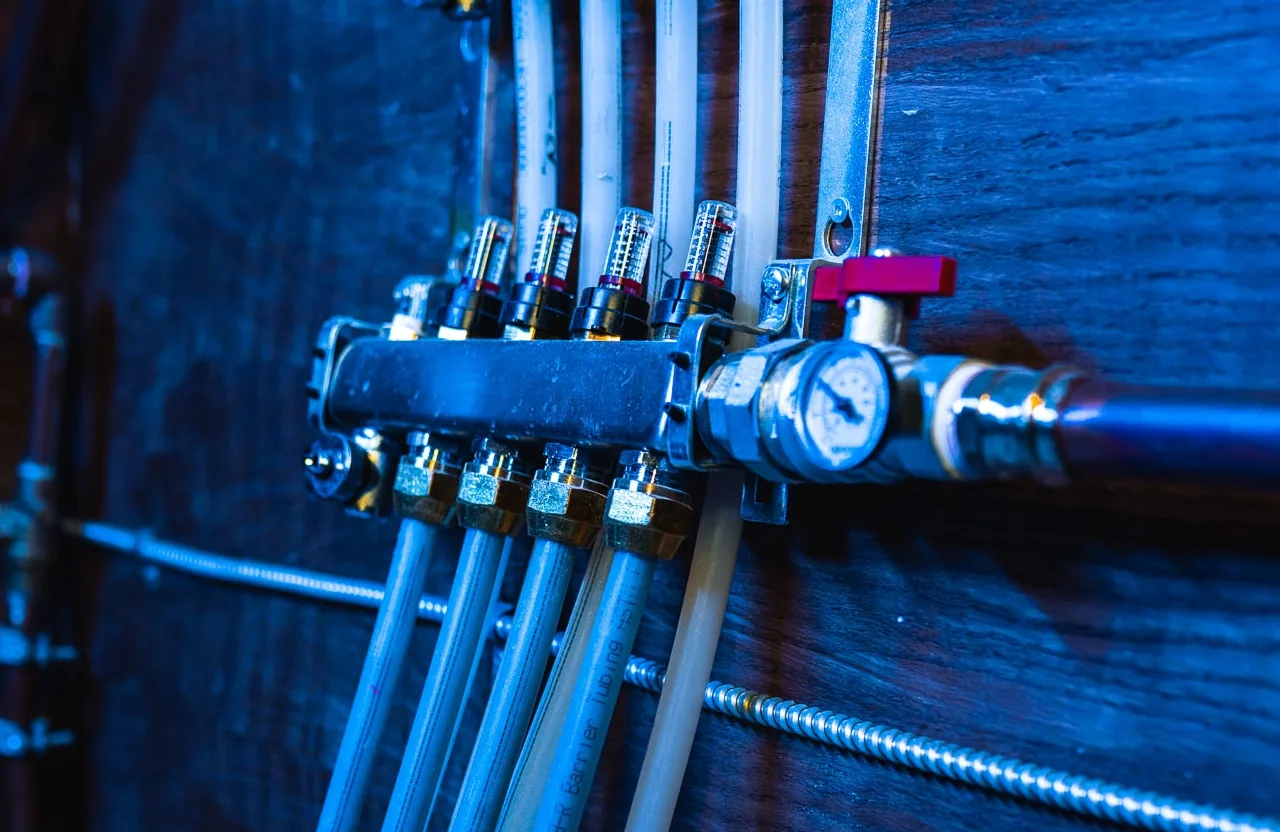
Flood Sensors & Water Alarms: Early Warning for Homes
Flood sensors and water alarms detect the presence of water before it spreads across the floor and causes serious damage. A sensor that wakes you up when the sump pump fails or alerts you remotely when a pipe leaks under the sink can save thousands of dollars in water damage. This guide covers how they work, where to place them, what features matter, and how flood sensors water alarms fit into a complete home water protection plan.
read more
read more
.webp)
Sump Pump vs Sewage Ejector: Key Differences Explained
A sump pump removes groundwater that accumulates in the basement sump pit and discharges it away from the foundation. A sewage ejector pump handles wastewater from basement plumbing fixtures, such as a below-grade toilet, laundry sink, or shower, and pumps it up to the main drain line. The two systems handle completely different types of water and serve different functions. Installing the wrong one, or confusing one for the other, creates serious sanitation and drainage problems.
read more
read more
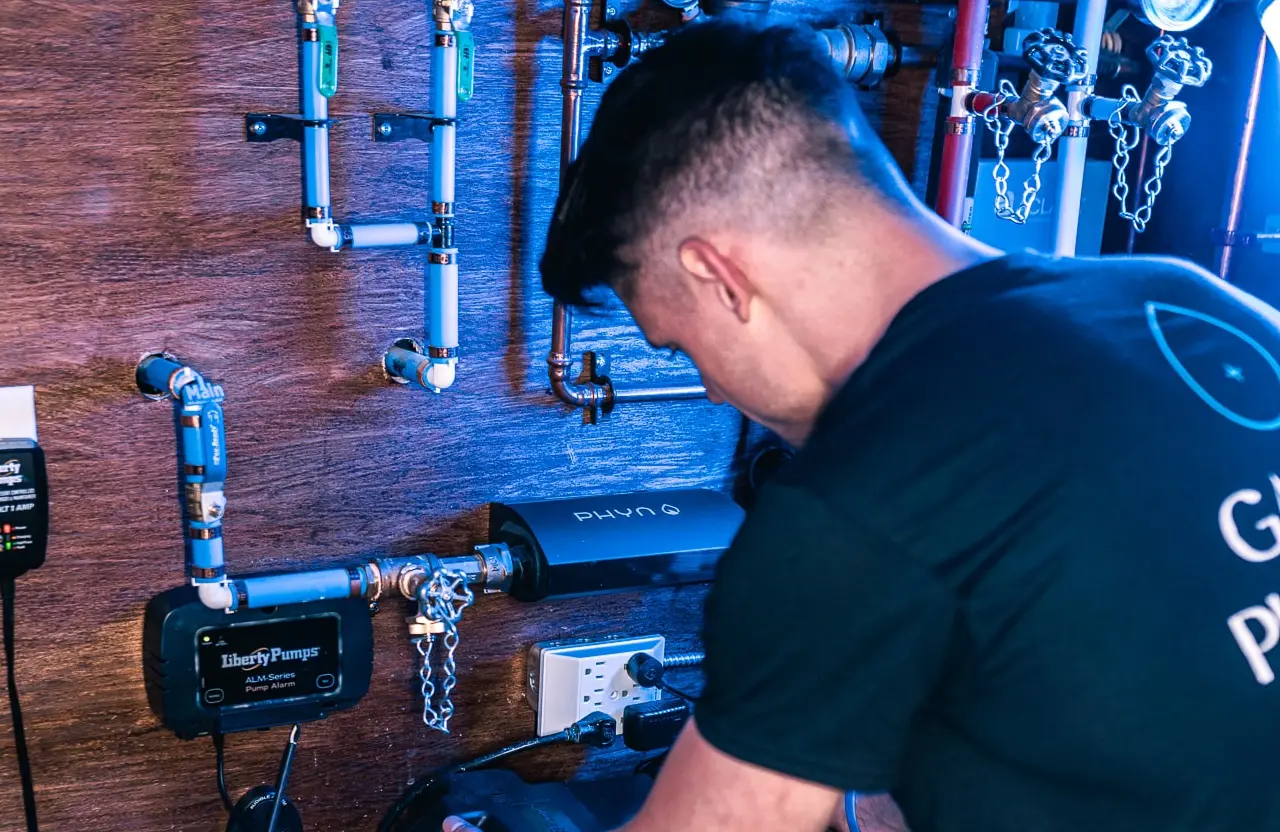
Basement Flooding: Causes Every Ontario Homeowner Must Know
Basement flooding in Ontario stems from three distinct causes: municipal sewer overflow through the sewer lateral, groundwater intrusion through the foundation or weeping tile system, and surface water entry through windows, doors, or cracks. Each cause has a specific solution. Misidentifying the cause leads to installing the wrong protection and spending money without reducing the actual risk.
read more
read more
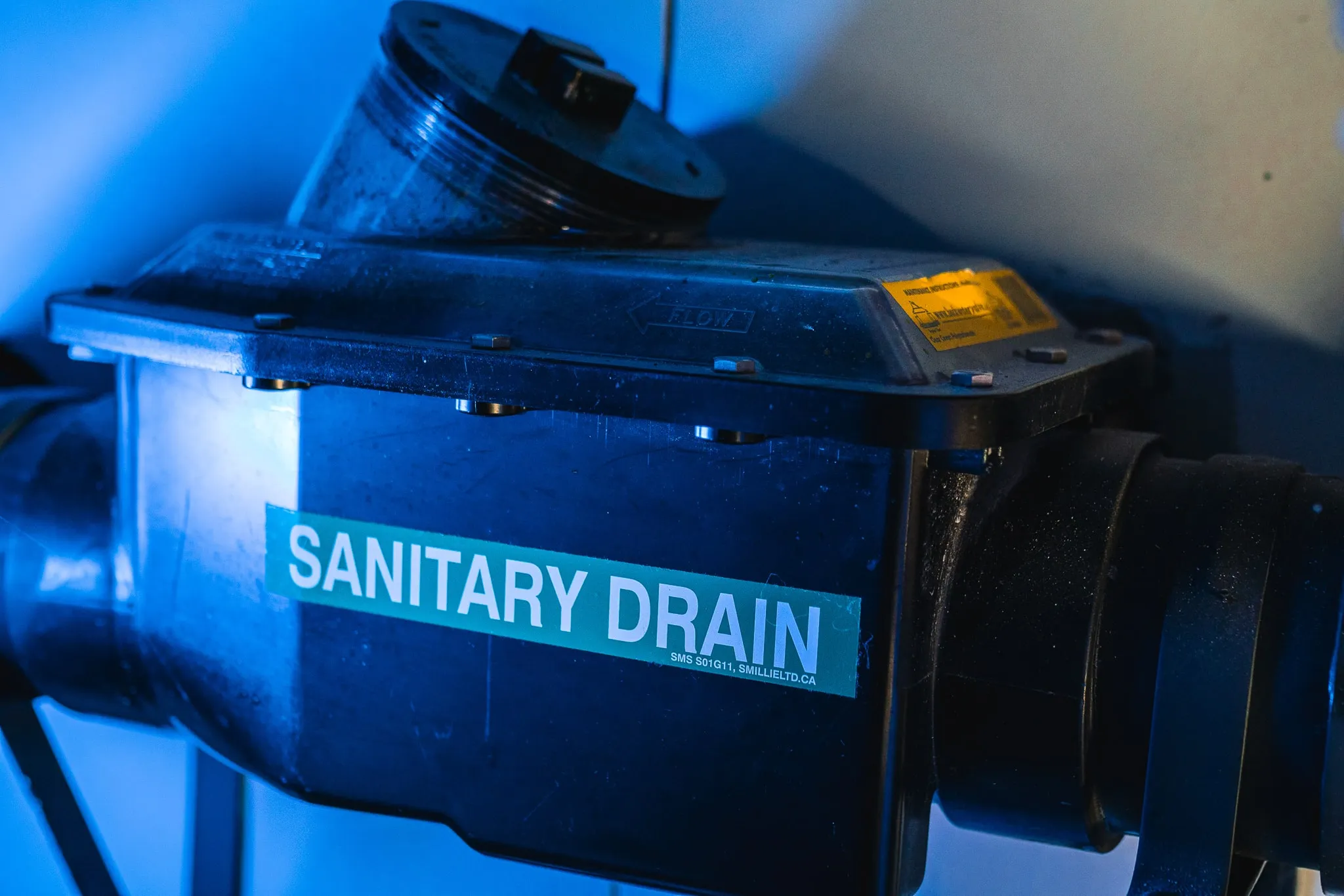
Backwater Valve Installation: Protect Your GTA Basement
A backwater valve installation is the most direct form of sewer backup prevention an Ontario homeowner can take, automatically blocking municipal sewage from reversing into the basement through the sewer lateral. The process involves cutting through the basement floor, fitting a passive one-way valve into the main lateral, and restoring the concrete, all completed by a licensed plumber with a building permit. Most GTA municipalities offer subsidy programs that offset a significant portion of the cost, making this an accessible and permanent basement flooding protection upgrade for homeowners throughout Toronto, Mississauga, and the broader Greater Toronto Area.
read more
read more
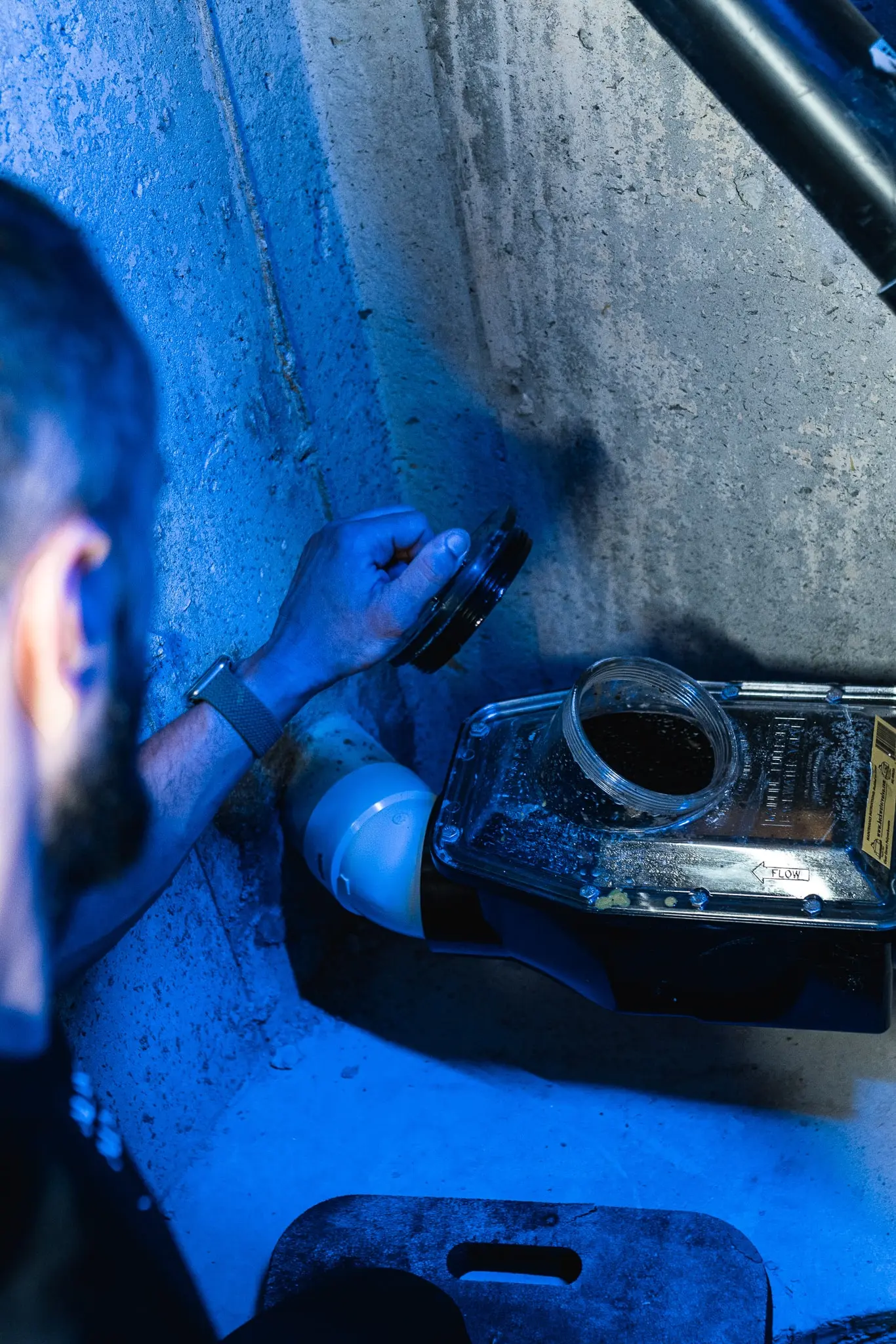
Protect Your Basement with a Sump Pump Maintenance Checklist
A sump pump maintenance checklist carried out twice a year, before spring thaw and before the fall wet season, identifies problems while there is still time to correct them. Most sump pump failures that cause basement flooding are preceded by warning signs that a basic inspection would have caught. This guide walks through every maintenance step in a practical sequence that any homeowner can follow.
read more
read more
The Complete Guide to Sump Pump Battery Backup Systems
A sump pump battery backup is the only protection your basement has when power outages disable your primary pump during storms. The right system is not just about adding a battery, it requires correct sizing, runtime planning, and proper installation. A poorly specified backup system often fails under real storm conditions, not during testing.
read more
read more