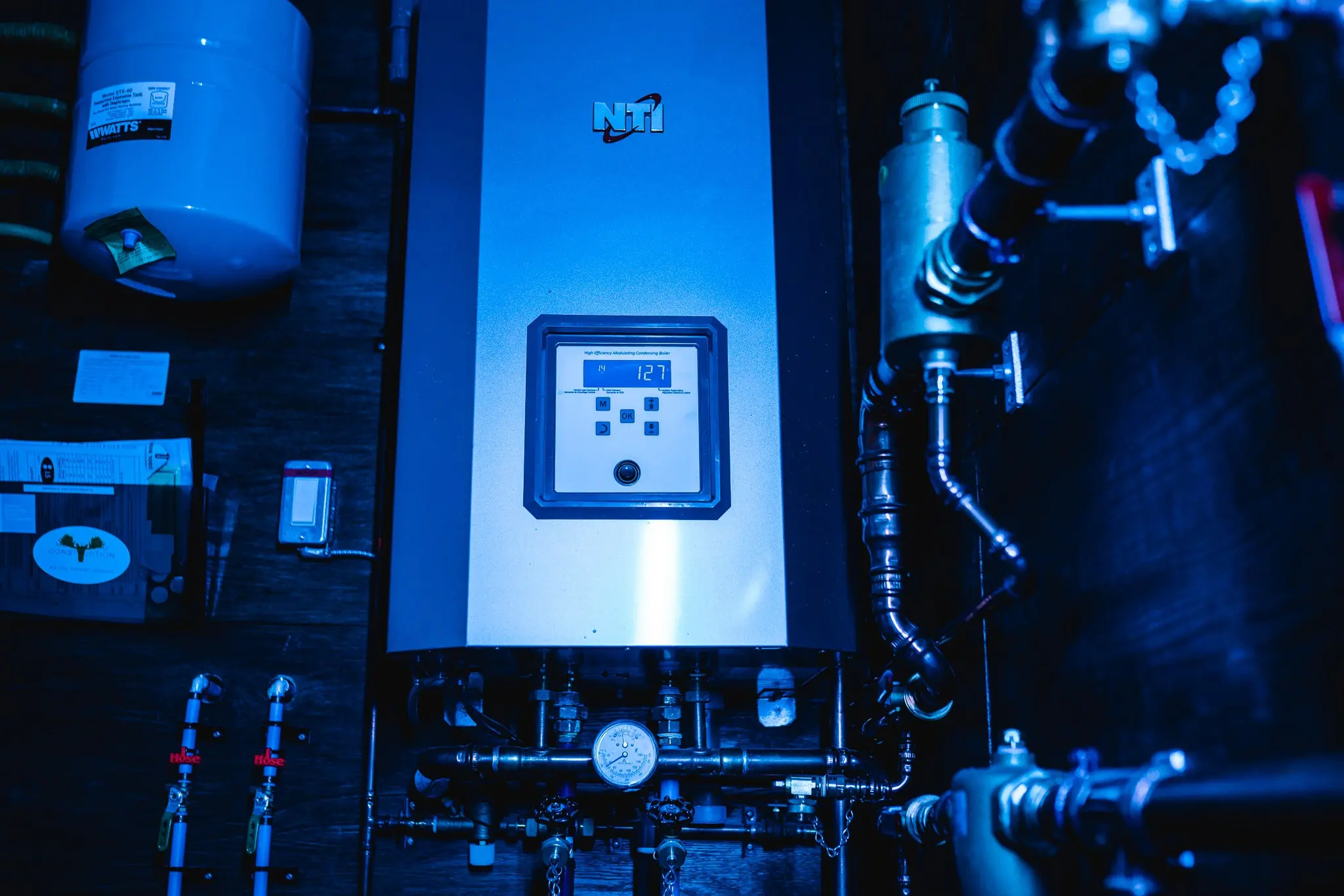
A professional furnace installation begins before the technician arrives at your door. The groundwork includes confirming the right unit size for your home, ordering equipment, pulling the required permit from your municipality, and scheduling the installation date.
Furnace sizing is done through a heat load calculation that accounts for your home's square footage, insulation levels, window area, ceiling height, and local climate data. A furnace that is too large will short-cycle and create uneven heating. A unit that is too small will run continuously and fail to maintain target temperatures during Ontario winters.
The permit requirement is not optional. Any gas appliance installation in Ontario must be performed by a TSSA licensed gas technician and is subject to municipal inspection. Galaxy Plumbing manages the permit process as part of every installation. You do not need to coordinate with the building department yourself.
The technician begins by reviewing the existing system and confirming that the new unit is correctly sized for your home's infrastructure. This includes checking the existing gas line size and condition, inspecting the return air plenum and supply ducts, reviewing the flue venting route, and confirming electrical supply. Any issues identified at this stage are discussed with you before work proceeds.
The existing furnace is disconnected from the gas line, electrical supply, and venting. The gas line is capped at the source before any disconnection work begins. The old unit is removed from the mechanical space and taken away by the installation crew. Galaxy Plumbing removes and disposes of the old furnace as part of the installation service.
The new furnace is positioned in the mechanical space and levelled. Proper levelling is important for condensate drainage in high-efficiency models, which produce water as a byproduct of the combustion process. The condensate drain is routed to a floor drain or utility sink depending on your home's configuration.
The gas supply line is connected to the new furnace by the TSSA licensed gas technician. Every gas connection is pressure-tested with an instrument gauge before any combustion occurs. This step is not abbreviated regardless of timeline. Passing the gas pressure test is a prerequisite for starting the furnace.
High-efficiency furnaces vent through PVC pipe rather than a metal chimney flue. If your home previously used a metal chimney, the venting route is modified at this stage to accommodate the new exhaust and intake PVC pipes, which typically exit through the side wall of the home rather than through the roof. The technician confirms clearances from windows, doors, and gas meters as required by code.
The furnace control board, igniter, blower motor, and safety controls are connected to the home electrical supply. The technician verifies that the circuit breaker rating matches the furnace manufacturer's specifications before energizing the system.
With gas, venting, and electrical connections complete, the technician fires the furnace and runs it through several heating cycles. During startup, they verify ignition sequence, check flue gas temperature, measure supply and return air temperatures to confirm the system is operating within the designed temperature rise range, and test all safety controls including the high-limit switch and pressure switches.
The thermostat is connected to the new furnace and programmed through at least one full heating cycle to confirm correct communication. If you are upgrading to a smart or programmable thermostat, the technician configures the scheduling and walks you through the controls before leaving.
Before the technician leaves, they walk you through the new system. This covers how to operate the thermostat, where the filter is located and how often to replace it, what the manufacturer warranty covers, and what to watch for that would prompt a service call. Galaxy Plumbing provides this walkthrough with every installation and leaves written documentation of the work completed.
Most standard furnace replacements in an existing GTA home take four to six hours. Installations that require new gas line runs, ductwork modifications, or complex venting reroutes may extend to a full day. Galaxy Plumbing confirms the estimated timeline with you before the installation day.
Our HVAC service team is equipped to complete most installations in a single visit. If additional work is identified during installation that requires a follow-up, we schedule that promptly and communicate clearly about what was found and why.
The municipal inspection is scheduled after the installation is complete. The inspector verifies that the work meets Ontario Building Code requirements. Galaxy Plumbing coordinates the inspection appointment and is available to address any questions the inspector raises.
If your home has a water heater that is also aging, the installation day is a good opportunity to have our technician assess it while they are on site. Addressing two mechanical systems in a single visit reduces scheduling and call-out costs.
Most residential furnace installations in the GTA take four to six hours for a straightforward unit swap. Installations that require new venting routes, gas line modifications, or ductwork changes may take a full day. Galaxy Plumbing confirms the timeline before the installation date so you can plan accordingly.
Yes, it is advisable to be home or have a responsible adult present for the full installation. The technician will need access to the mechanical room throughout the day and will want to complete the system walkthrough with you directly at the end of the job.
The heating system will be offline for most of the installation day. In cold weather, plan to layer clothing or arrange to spend part of the day out of the home. The new furnace will typically be operational by the end of the same day.
Yes. Furnace installation in Ontario requires a permit from your local municipality, and the work must be performed by a TSSA licensed gas technician. Galaxy Plumbing pulls the permit as part of the installation service and coordinates the subsequent inspection.
Our installation service includes equipment delivery, removal and disposal of the old furnace, all gas, venting, and electrical connections, system startup and calibration, thermostat configuration, permit coordination, the municipal inspection appointment, and a full system walkthrough with written documentation. Upfront pricing means the quoted amount is what you pay unless unforeseen conditions are identified and discussed with you before work proceeds.
Galaxy Plumbing installs furnaces for residential and light commercial properties across Mississauga, Toronto, Oakville, Vaughan, and Richmond Hill. Our TSSA certified gas technicians handle every stage of the installation with upfront pricing. Contact our team to schedule an assessment or request a written estimate.