Plumbing emergencies are time-sensitive. A burst pipe at 40 to 80 PSI can release several hundred litres of water before most homeowners have located the shut-off valve. A sewage backup that is not stopped quickly contaminates flooring, walls, and personal property. The EPA's mold and moisture guide confirms that mold can begin developing inside wet building materials within 24 to 48 hours of a water intrusion event, which means the window for limiting damage is measured in hours, not days.
The difference between a $2,000 repair and a $20,000 remediation project is often the homeowner's response time in the first five minutes. Preparation eliminates hesitation. Our guide on what counts as a plumbing emergency provides context on which situations require immediate response and which can wait for a scheduled appointment.
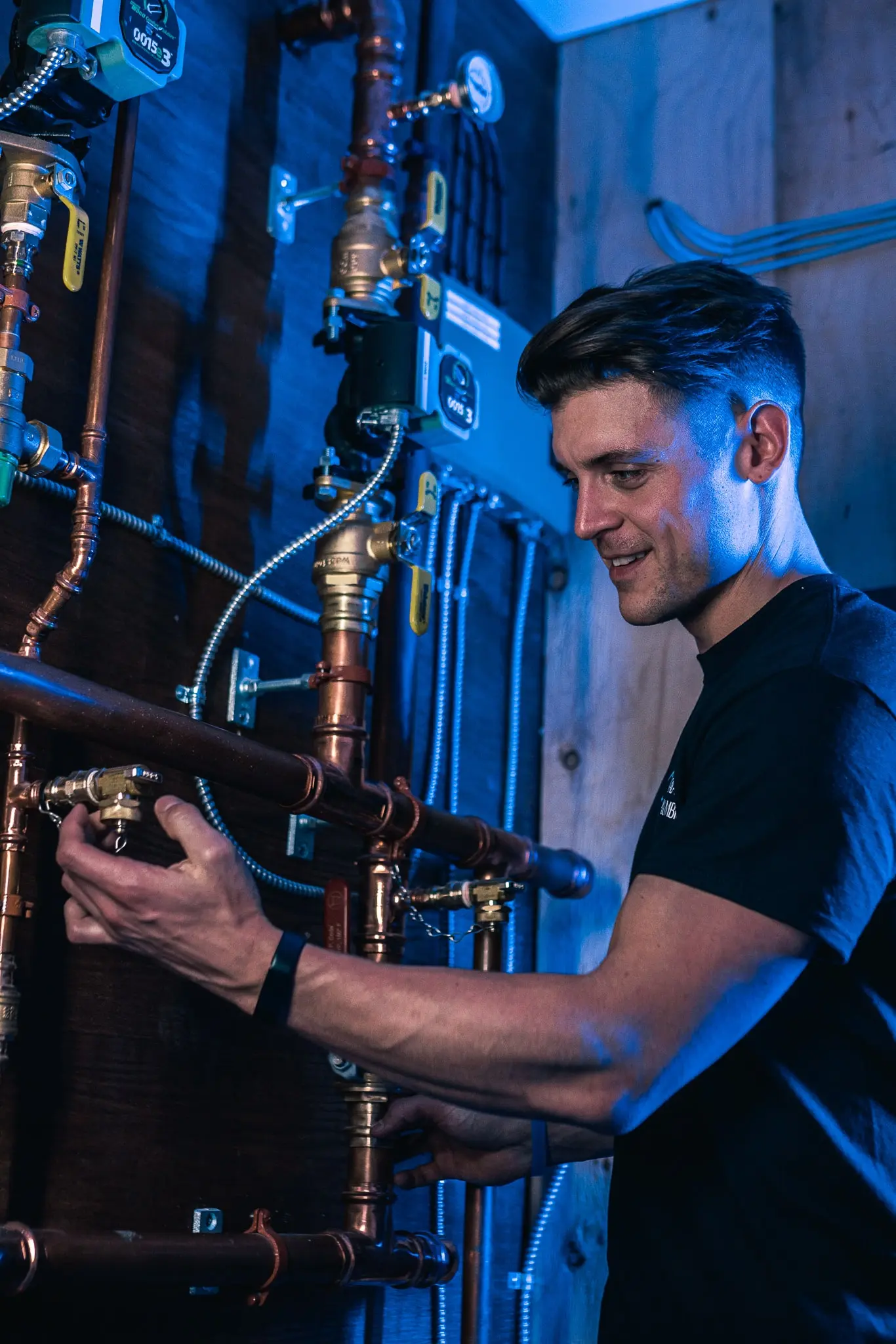
Walk through your home and locate every water shut-off valve. Test each one to confirm it operates smoothly. Valves that have not been turned in years often seize or leak when operated under emergency conditions.
Label each valve with a piece of tape and a marker. Note the location of each valve in a document stored with your home's paperwork. If your main shut-off valve is stiff, leaking, or does not operate properly, contact Galaxy Plumbing Inc. to have it serviced before an emergency occurs.
The natural gas shut-off valve is located on the gas meter outside the home. Operating it requires a wrench. Do not shut off gas yourself unless directed by your gas utility or a TSSA-licensed gas technician. If you smell gas, leave the building and call the gas utility emergency line from outside. Do not re-enter until the utility has confirmed the area safe.
A drain plug bag at the basement floor drain is a low-cost preventive tool that can stop thousands of dollars in sewage damage during heavy rain events. The City of Toronto's basement flooding resources identify municipal sewer surcharges during intense rainfall as one of the leading causes of basement contamination in the GTA, making floor drain protection a high-priority preparation step for any homeowner with a basement. A drain plug works alongside but does not replace a backwater valve and flood prevention system, which is a permanent installed protection solution.
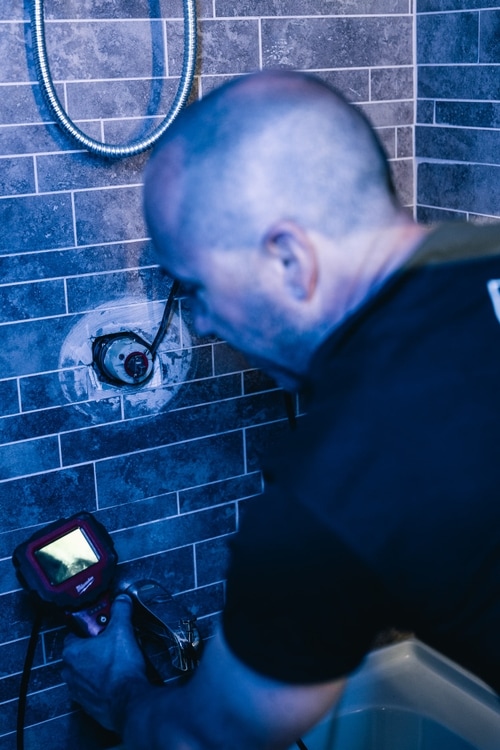
The most effective emergency preparation is reducing the likelihood of an emergency occurring. Annual or biannual plumbing inspections by a licensed plumber identify deteriorating pipes, corroding shut-off valves, aging sump pump components, and drain conditions that are approaching failure. Our post on the importance of plumbing maintenance explains what a professional inspection covers and how it protects your home long-term.
GTA homeowners with finished basements or sump pits should know whether their sump pump is operational, how old it is, and whether they have a battery backup unit. Sump pump failures during heavy rainfall events are a leading cause of basement flooding in Mississauga and Toronto. Pour a bucket of water into the sump pit to test whether the pump activates. If the pump runs continuously, makes unusual noises, or does not activate, contact a plumber immediately. Our team provides sump pump maintenance and inspection to help homeowners identify problems before they lead to basement flooding.
In most GTA detached homes, the main shut-off valve is in the mechanical room or basement near the front wall of the home, close to where the water service enters from the street. In condos and townhomes, it may be in a utility closet or near the water meter. Our guide on locating and shutting off your home's water valves covers exactly where to look and how to operate both interior and exterior valves. If you cannot locate your main shut-off valve, contact Galaxy Plumbing Inc. and a licensed plumber can walk you through locating it during a service visit.
A backwater valve is a one-way valve installed in the basement floor drain or main sewer lateral that prevents sewage from flowing back into your home from the municipal system during heavy rain events or sewer surcharges. Many municipalities in the GTA offer rebates for backwater valve installation. Learn more about backwater valve installation, sump pumps, and other measures that can help protect your basement from flooding.
Absolutely. A licensed plumber can assess the condition of supply and drain lines, identify aging materials including lead service lines or clay tile laterals, check the sump pump, and verify that shut-off valves are functional. This information is valuable during negotiations and prevents surprise repair costs after purchase. Our post on common plumbing issues new homeowners face outlines what to watch for. Contact Galaxy Plumbing Inc. to book a pre-purchase inspection across the GTA.
If the main shut-off valve fails during an emergency, go to the exterior curb shut-off at the property line. Older GTA properties may require a T-bar or pentagon key to operate this valve, which is why keeping the correct key in your emergency kit matters. If neither valve is accessible, call your municipality's water emergency line immediately to request shut-off at the street. This is one of the strongest reasons to test your main valve annually and have our emergency plumbing team service it before a crisis makes it critical.
For absences longer than a few days, particularly during Ontario winters, shut off the main water supply valve and drain the lines by opening the lowest fixture in the home. Keep the thermostat set to at least 13 degrees Celsius to prevent pipes in exterior walls from freezing. Our complete guide on frozen pipe prevention in Ontario covers the full winterization process. Ask a trusted neighbour or house sitter to check the property every two to three days. Leave your licensed plumber's contact number with them so they can act immediately if something is found.
Emergency preparation is not about predicting disaster. It is about knowing your home well enough to act immediately when something goes wrong. The checklist in this post takes less than two hours to complete and could prevent tens of thousands of dollars in damage. Galaxy Plumbing Inc. serves homeowners across Mississauga, Toronto, Etobicoke, Scarborough, Oakville, Vaughan, and Richmond Hill with the full range of plumbing services needed to keep a home protected and prepared. Explore our complete plumbing services or contact our team to schedule an inspection or emergency service.
Save our number before you need it. Contact Galaxy Plumbing Inc. to schedule a preventive inspection or add us to your emergency contact list. Our TSSA-certified, licensed team is available 24/7 across the Central GTA.