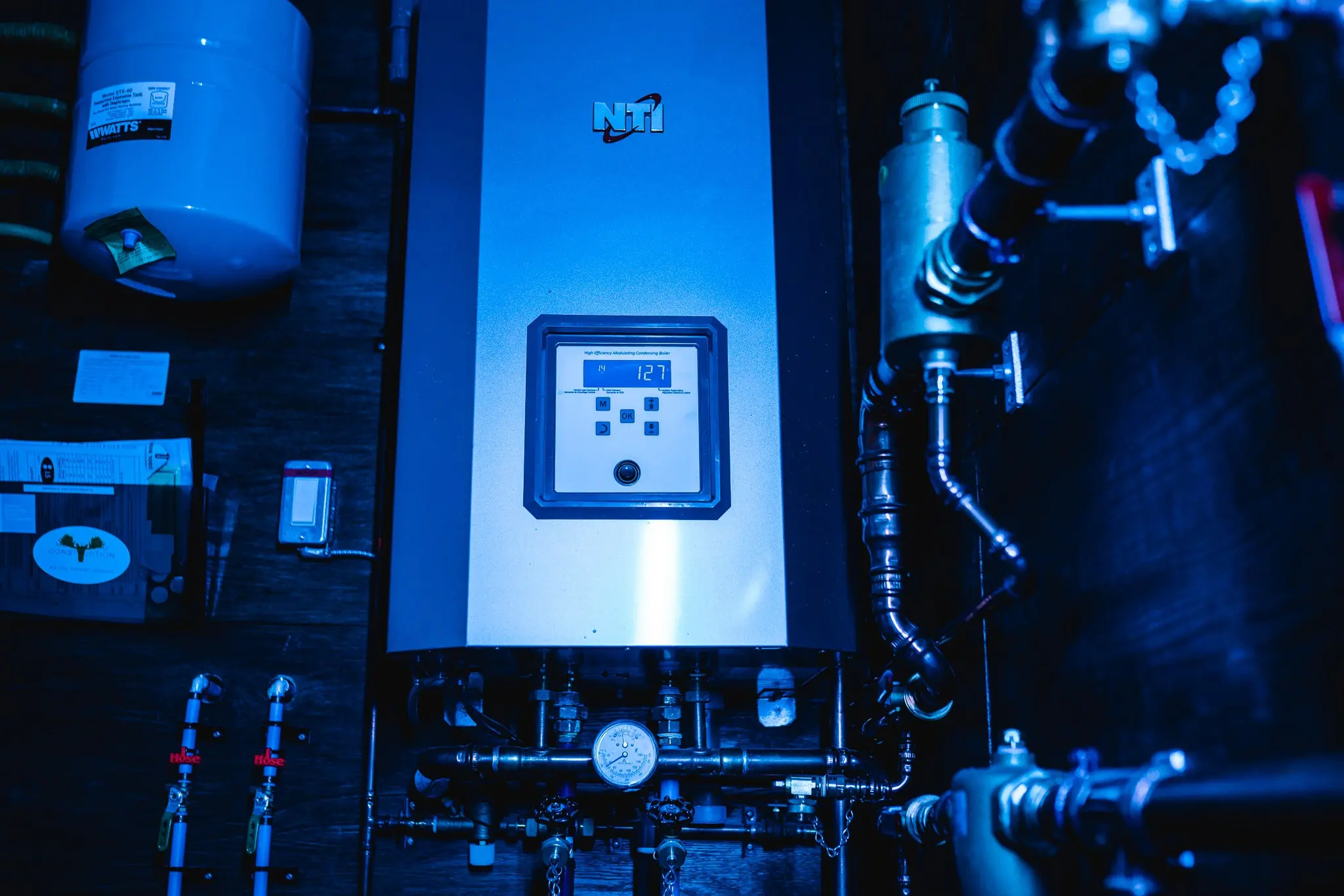
As a new homeowner, you may encounter various challenges and responsibilities, including maintaining your property's plumbing system. Understanding how to recognize common plumbing problems early on can save you from potential headaches and costly repairs. In this blog post, we will provide you with valuable insights and tips to recognize plumbing problems as a new homeowner, empowering you to take proactive measures and address issues promptly with the help of professional plumbers.
Low Water Pressure
- Low water pressure can be indicative of several underlying issues, such as clogged pipes, mineral buildup, or leaks.
- If you notice consistently weak water flow from your faucets or showerheads, it's essential to investigate and address the cause.
Slow Draining Sinks and Bathtubs
- Slow drainage can occur due to accumulated debris, grease, or hair in the pipes.
- If your sinks or bathtubs are slow to drain, consider using a plunger or drain cleaner before calling a professional plumber.
Running Toilet
- A running toilet can waste a significant amount of water and inflate your water bill.
- Check the toilet's flapper valve or fill valve for malfunctions, and consider replacing them if necessary.
Leaky Faucets
- Leaky faucets may seem like a minor inconvenience, but they can waste a surprising amount of water over time.
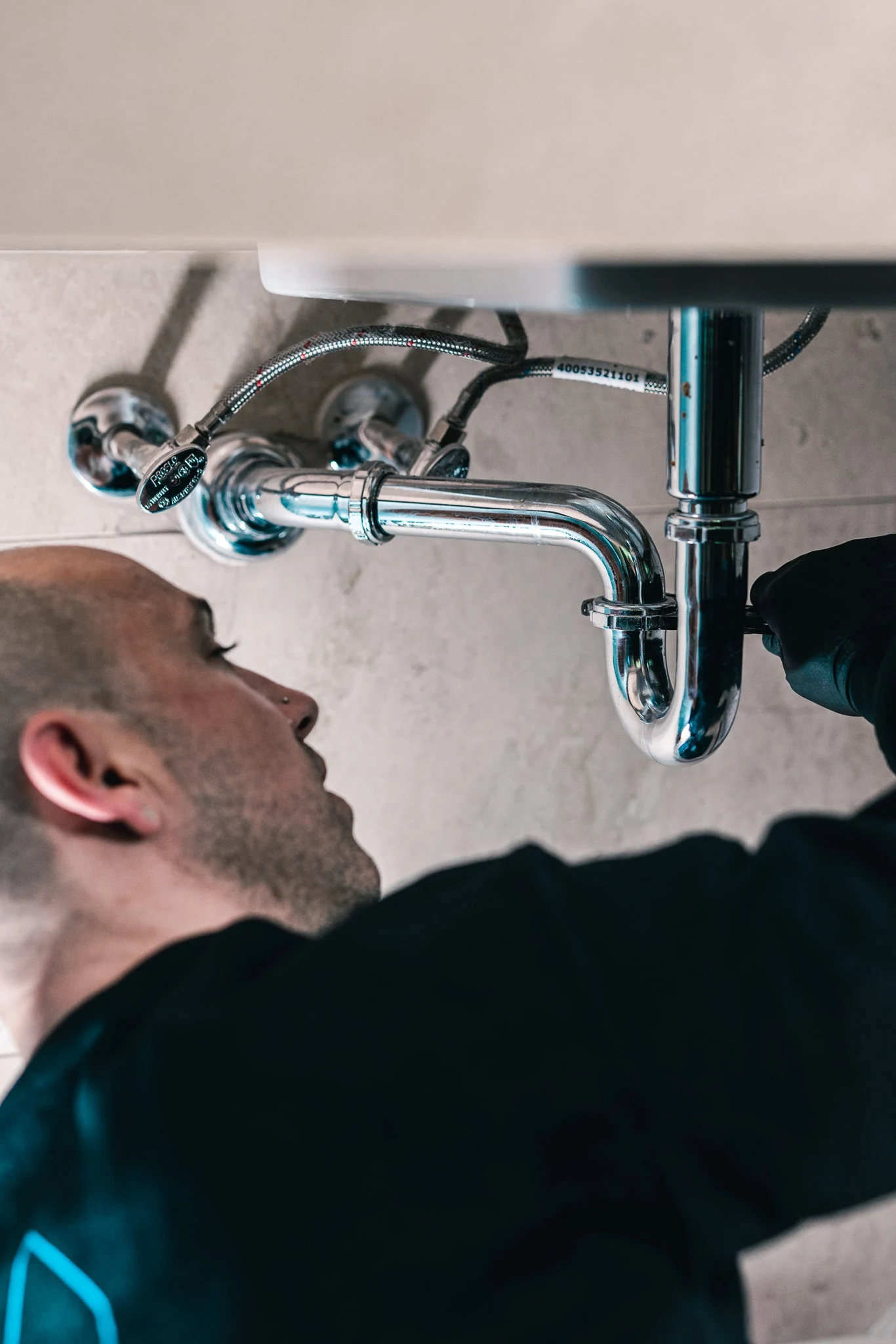
- Address leaky faucets promptly by replacing worn-out washers or seals.
Unpleasant Odors
- Foul smells from your drains or toilets can indicate sewer line issues or dried-out plumbing traps.
- Run water in unused drains and toilets to fill the traps and prevent odors. If the smell persists, seek professional assistance.
Water Discoloration
- Discolored water can suggest corroded pipes or sediment buildup in your plumbing system.
- Brown or rusty water may be a sign of corroded iron pipes, while blue or green water could indicate copper corrosion.
Frozen Pipes
- Frozen pipes are a common issue in colder climates and can lead to burst pipes if not addressed promptly.
- During freezing temperatures, keep your home adequately heated, and consider insulating exposed pipes.
Water Hammer
- Water hammer is a loud banging noise that occurs when water flow is abruptly halted.
- This issue can damage your plumbing system over time. Consider installing water hammer arrestors or contacting a professional plumber for assistance.
Puddles or Water Stains
- Puddles, water stains, or visible water damage on ceilings or walls can indicate leaking pipes or fixtures.
- Investigate and repair leaks promptly to prevent further damage and mould growth.
Sewer Line Backups
- Sewer line backups can result in unpleasant odors, slow drains, or gurgling sounds from your plumbing fixtures.
- If you suspect a sewer line issue, seek professional help to prevent potential health hazards and water damage.
High Water Bills
- A sudden and unexplained increase in your water bill may be a sign of a hidden plumbing problem, such as a leak.
- Monitor your water usage and investigate any significant spikes in consumption.
Water Meter Test
- Perform a water meter test to check for hidden leaks. Turn off all water sources in your home and monitor the water meter for any changes over an hour.
- If the meter reading increases, you may have a concealed leak that requires professional attention.
Inadequate Hot Water
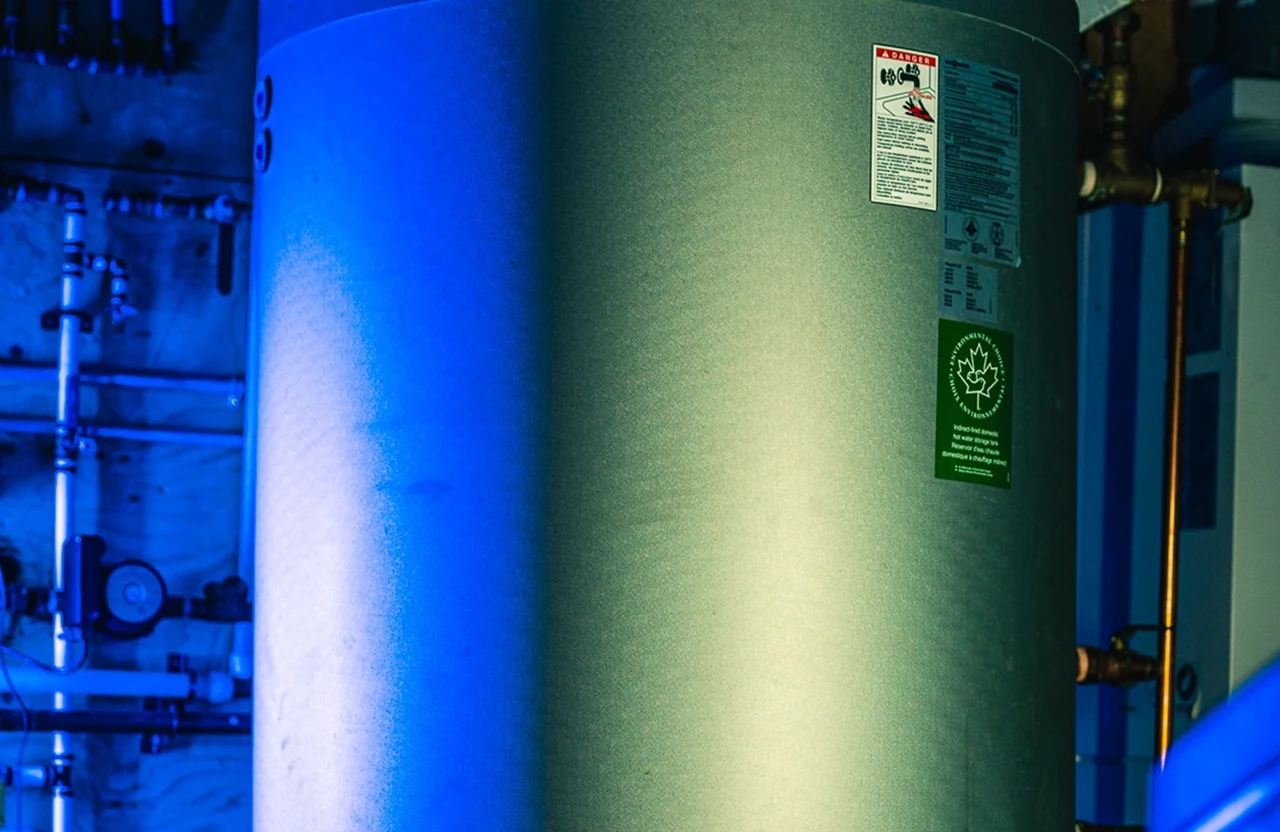
- Insufficient hot water supply may be due to a malfunctioning water heater or undersized unit for your household needs.
- A professional plumber can assess your water heater and recommend necessary repairs or replacements.
Gurgling Sounds
- Gurgling sounds coming from your drains can indicate ventilation issues or partial blockages in your plumbing system.
- Have a professional plumber inspect the drains to prevent potential backups and damage.
Mould Growth
- Mould growth in bathrooms or near plumbing fixtures can result from persistent moisture due to leaks.
- Address any leaks promptly to prevent further mould growth and potential health hazards.
Conclusion
As a new homeowner, recognizing common plumbing problems is crucial for maintaining the integrity of your property and preventing extensive damage. By paying attention to signs such as low water pressure, slow draining sinks, leaky faucets, and unpleasant odors, you can address plumbing issues promptly or seek professional assistance when needed. Regular maintenance and inspections by professional plumbers are essential to ensure your plumbing system remains in optimal condition. By taking a proactive approach to plumbing maintenance, you can save time, money, and the headache of dealing with larger plumbing issues in the future. Empower yourself with the knowledge of common plumbing problems and enjoy the peace of mind that comes with a well-maintained and efficiently functioning plumbing system in your new home.