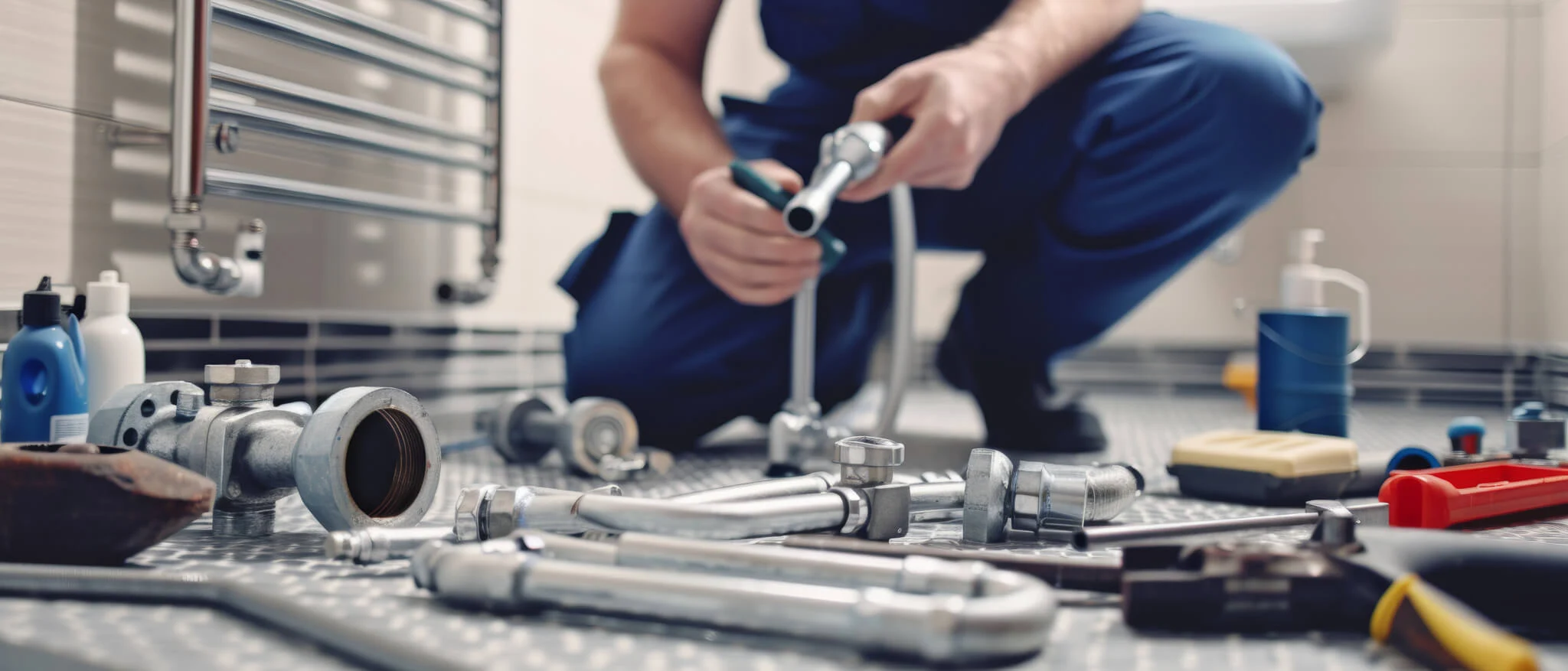
Three questions help identify a plumbing emergency. First: is active water damage happening right now? Second: is there a risk to health or safety? Third: will waiting even a few hours make the situation significantly worse? If the answer to any of these is yes, the situation qualifies as an emergency and requires immediate contact with a licensed plumber.
The cost of an emergency call is always lower than the cost of the structural damage, mold growth, and contamination cleanup that delays create. Our resource on emergency plumber costs in Ontario provides clear context on what emergency service typically involves financially.
A burst pipe releases water at supply pressure into wall cavities, flooring, or living spaces. Copper and steel supply lines typically carry water at 40 to 80 PSI, meaning even a small rupture can release hundreds of litres per hour. Immediate action is to shut off the main water supply valve to the entire home, then call a licensed plumber. The EPA's guidance on mould and moisture confirms that mould can begin establishing in wet building materials within 24 to 48 hours of water intrusion, which is why same-day response to a burst pipe is essential for limiting total damage. Our post on what to do when a pipe bursts walks through every step from the first sign of rupture to professional repair.
Sewage backing up into floor drains, bathtubs, or toilets is an immediate health emergency. Raw sewage contains pathogens including E. coli, Salmonella, and hepatitis A virus. The CDC's Salmonella resource confirms that even brief exposure to sewage-contaminated surfaces creates a meaningful infection risk, particularly for children, elderly individuals, and anyone immunocompromised. Contact with sewage wastewater requires professional cleanup in addition to plumbing repair. Stop using all fixtures in the home and call immediately. The EPA documents how sewage overflows cause cascading health and structural hazards when not contained promptly. Our resource on sewage backup causes explains the underlying conditions that produce this type of event.
A toilet overflowing onto the floor creates immediate water damage and contamination. Close the shut-off valve behind the toilet base immediately, then call a licensed plumber. Do not attempt to clear the blockage while sewage water is present on the floor.
A sudden, complete loss of water pressure across all fixtures in a home can indicate a main water service line break, a frozen and burst supply line, or a municipal supply interruption. Confirm with neighbours whether the issue is municipal before calling a plumber. If the issue is isolated to your property, contact a licensed plumber immediately, as an active main line break can cause significant ground and foundation damage.
Water staining appearing suddenly on ceilings, walls bulging or discolouring, or wet flooring with no obvious source indicates an active concealed leak. These leaks are often under pressure and causing continuous damage inside the structure. Professional water leak detection locates the source non-invasively using acoustic and thermal equipment, preventing unnecessary demolition.
When pipes freeze in winter, pressure builds inside the pipe as ice expands. If the pipe has not yet burst, there is a narrow window to address the situation before it ruptures. Do not attempt to thaw a pipe with an open flame. Our guide on preventing frozen pipes in Ontario explains both prevention and the safe thawing approach.
Homes with basement bathrooms or laundry below the main sewer level rely on a sewage ejector pump to push waste upward to the main line. If this pump fails, using any below-grade fixture will cause sewage to back up and overflow in the basement. Contact a licensed plumber immediately. Galaxy Plumbing Inc. handles sewage ejector pump replacement for residential and commercial properties across the GTA.
The following problems should be scheduled promptly with a licensed plumber but do not typically require a 24/7 emergency call.
Understanding which plumbing situations require immediate response and which can be scheduled helps homeowners make clear-headed decisions under pressure. For true emergencies, speed matters. For non-emergencies, having a trusted plumber lined up in advance is what turns a stressful situation into a manageable one. Galaxy Plumbing Inc. serves homeowners and property managers across Mississauga, Toronto, Etobicoke, Scarborough, Oakville, Vaughan, and Richmond Hill with 24/7 emergency availability and scheduled service for all plumbing and HVAC needs. Contact our team or explore our full emergency plumbing services to know what to expect before a problem arises.
A gas smell is an immediate emergency. Leave the building immediately, do not operate any electrical switches, and call your gas utility's emergency line from outside the building. Do not re-enter until the utility has confirmed the area is safe. Gas line inspection and repair requires a TSSA-licensed gas technician. Galaxy Plumbing Inc. employs licensed gas technicians and can assist with gas line inspections and repairs after the utility has cleared the property.
Call a licensed plumber first. Stopping active water damage immediately reduces the total claim value and prevents secondary damage including mould, structural deterioration, and contamination. After the situation is stabilized, contact your insurer to document the incident. Most insurance companies expect mitigation action to have been taken promptly.
Once you have shut off the water supply to stop the flow, you have reduced the active damage. However, any water that has already entered the structure begins causing damage to insulation, subfloor, and drywall immediately. Within 24 to 48 hours, mould can begin establishing in wet building materials. Contact Galaxy Plumbing Inc. for same-day or emergency dispatch to minimize total damage.
If you cannot locate the main shut-off valve during an active leak or burst pipe, go outside and look for the exterior shut-off valve near the water meter, typically found near the foundation or in a buried utility box at the property line. If neither is accessible, contact your local municipality to shut off supply at the street. Knowing where both valves are before an emergency occurs is something Galaxy Plumbing Inc. can walk you through during any service visit.
Most standard homeowner's insurance policies cover sudden and accidental water damage from burst pipes or equipment failures, but they generally do not cover damage caused by neglect, gradual leaks, or lack of maintenance. Coverage for the repair itself versus the resulting structural damage also varies by policy. After stabilizing the situation with a licensed plumber, contact your insurer promptly and document everything with photos. Acting quickly to stop damage also demonstrates the mitigation effort most policies require.
When a plumbing emergency strikes, contact Galaxy Plumbing Inc. immediately. Our licensed, TSSA-certified team dispatches across Mississauga, Toronto, Oakville, Vaughan, and Richmond Hill around the clock.