A sump pump, a backwater valve, and a well-maintained drain system are the primary defences against basement flooding. Flood sensors and water alarms are the monitoring layer that tells you when something has gone wrong with those defences, or when a problem is developing in a part of the home that your mechanical protection systems do not cover.
The value of a water alarm is time. A sensor that detects 2 millimetres of water in the sump pit immediately after a pump failure gives you hours to respond before the pit overflows. A sensor under the kitchen sink that triggers when a supply line fails at 3 a.m. limits the water release to minutes rather than the hours it might take to notice on your own. The relationship between response time and damage cost in water incidents is direct and significant.
Galaxy Plumbing installs sump pump systems and flood prevention solutions across the GTA, and flood sensor placement is a regular part of our basement protection conversations. This guide reflects the practical guidance our licensed team shares on every relevant visit.
Most residential flood sensors operate on a simple conductivity principle: two metal probes or a metal strip on the underside of the sensor complete an electrical circuit when water bridges the gap between them. The circuit triggers an alarm, a notification, or both. Sensors that use this principle can detect as little as a few millimetres of standing water and typically respond within seconds of contact.
More sophisticated smart water sensors use the same detection principle but connect to a home Wi-Fi network and send alerts to a smartphone app, trigger automated responses through a smart home platform, or connect to a home security monitoring service. These add remote monitoring capability that is particularly valuable for homeowners who travel, have vacation properties, or have a basement that is not accessed daily.
Standalone water alarms are self-contained battery-powered units with a probe or sensor pad that triggers a local audible alarm when water is detected. They are simple to install with no wiring required, need no network connectivity, and provide immediate local alert. Their limitation is that they only alert someone who is physically present in the home to hear the alarm. For basements accessed daily, they provide solid entry-level protection at minimal cost.
Smart flood sensors connect to the home Wi-Fi network and send push notifications to a smartphone when water is detected. Many integrate with platforms such as Apple Home, Google Home, Amazon Alexa, or dedicated home security systems. They provide remote monitoring capability and can be configured to alert multiple household members simultaneously. Battery life on smart sensors varies from 6 months to over 2 years depending on the brand and connectivity settings.
Whole-home monitors are installed on the main water supply line and use pressure and flow sensing to detect abnormal water use patterns, micro-leaks in the pipe system, and running fixtures. Some models can automatically shut off the main water supply when a potential burst pipe or unattended flow is detected. This level of protection addresses leaks that are developing inside walls and pipes before water reaches the floor. Our water leak detection service includes assessment of which monitoring solution is most appropriate for your home.
For areas where water may spread across a wide surface rather than pooling in a defined location, rope-style sensors detect water contact anywhere along the cable's length. These are practical for monitoring the perimeter of a water heater, a large area around a sump pit, or a basement floor section where water has historically entered through a crack. Pad sensors with a wider contact area perform similarly for defined zones.
A flood sensor placed at the rim of the sump pit or slightly above the normal operating water level detects pit overflow before it spreads onto the basement floor. This is the highest-value single sensor location in most Ontario homes because it provides early warning of sump pump failure, float switch malfunction, or a backup system exhausted during an extended power outage. Our guide on sump pump issues and repairs explains how backup system capacity connects to the window of time a sensor gives you to respond.
Water heater tanks fail by leaking, and the early stages involve a slow seep from the base or from a corroded fitting before the tank lets go fully. A sensor on the floor within 15 centimetres of the water heater base detects this seep early. For a water heater approaching or beyond 10 years of service, this sensor placement provides valuable early warning that complements your existing mechanical systems.
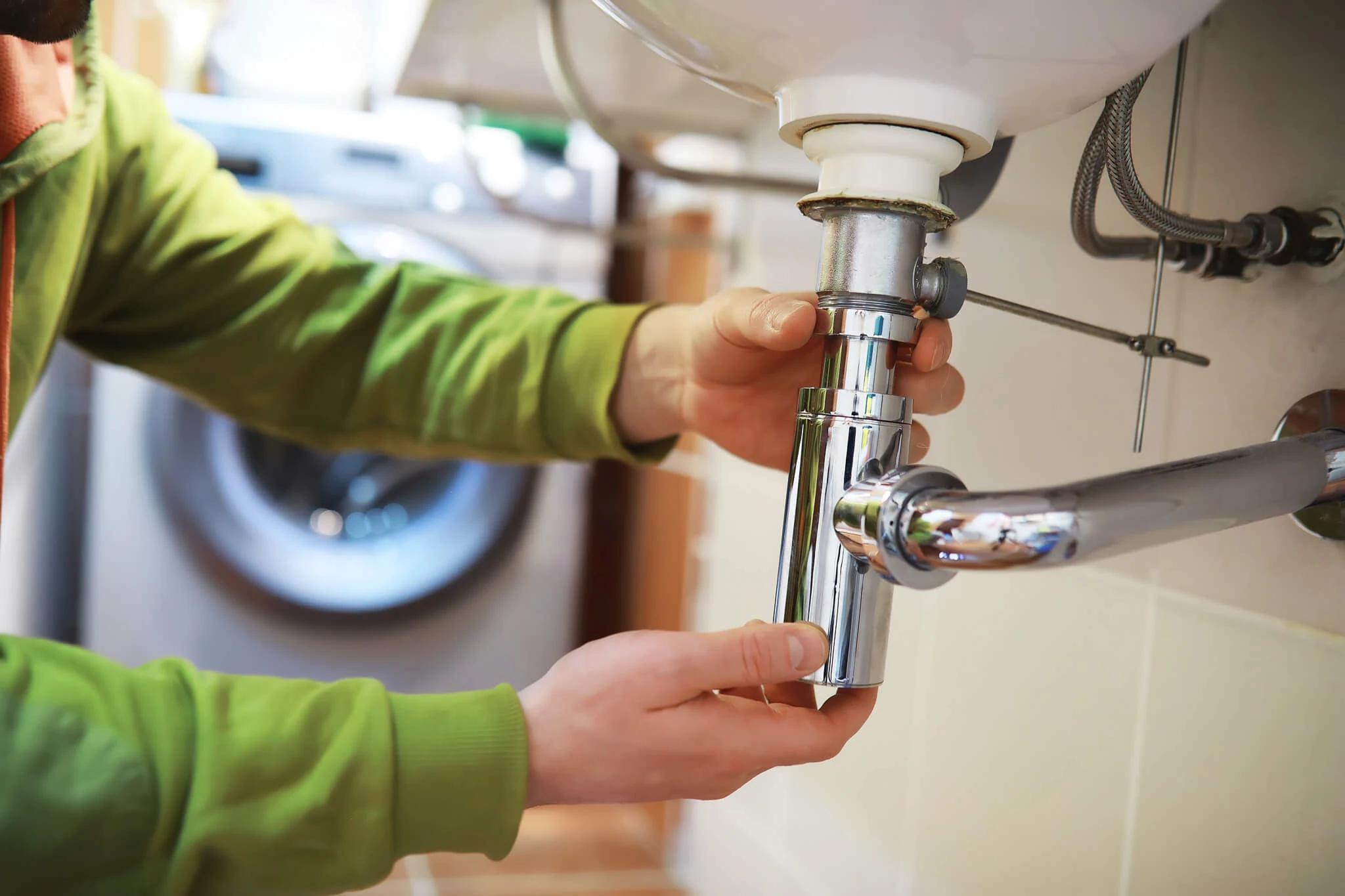
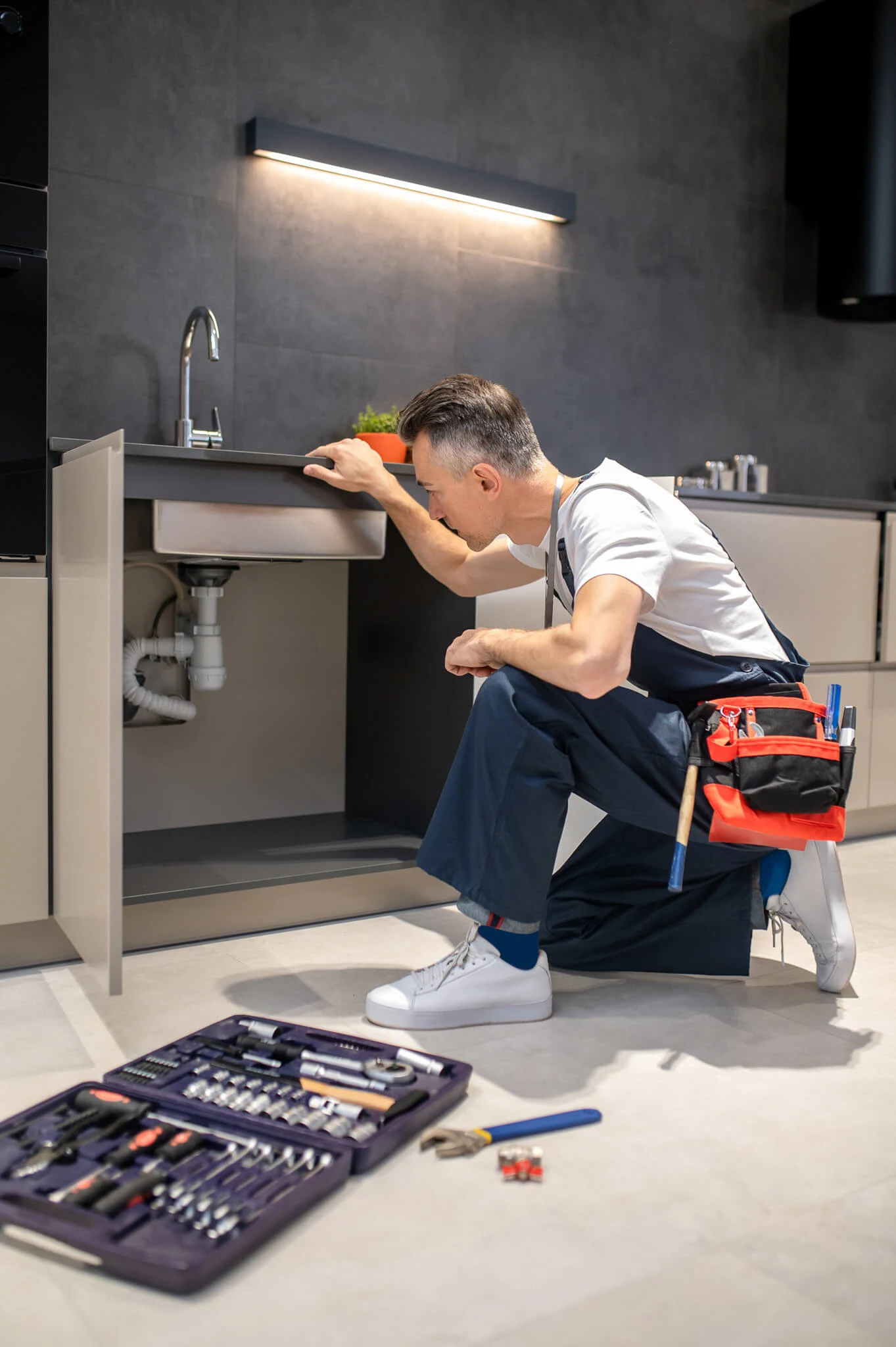
Supply lines under kitchen and bathroom sinks fail without warning and release water continuously until someone opens the cabinet door. A sensor on the cabinet floor under each sink detects the leak within seconds and triggers an alarm before significant damage accumulates. This placement is inexpensive and takes minutes to set up, making it one of the simplest flood sensors water alarms investments available.
Washing machine supply hoses fail suddenly and release water at high pressure into the laundry area. A sensor on the floor immediately behind or beside the washing machine detects this within the first few seconds of a hose failure. Combined with flood-resistant supply hoses, this sensor placement significantly reduces the damage potential of one of the most common household water events.
A sensor placed near the basement floor drain detects early backup events before water spreads beyond the drain area. This complements a backwater valve installation by alerting the homeowner immediately when the valve has engaged and water is rising, allowing them to stop all water use in the home promptly.
For Ontario homeowners with a cottage or seasonal property left unoccupied for extended periods, smart water sensors with remote monitoring are particularly valuable. A pipe freeze, a failed pressure tank, or a slow leak that would go undetected for weeks without monitoring can be identified and responded to remotely. Pairing smart sensors with a proper winterizing routine provides comprehensive protection for absent-owner properties through every Ontario season.
The best sensors trigger within seconds of water contact. Avoid sensors with a significant delay between contact and alarm, as even a 30-second delay at the source of a pressurised supply line failure can represent significant water release.
A sensor with a dead battery provides no protection. Choose sensors with multi-year battery life and a low-battery alert that gives you time to replace the battery before it fails entirely. Testing every 6 months as part of your sump pump maintenance schedule keeps the monitoring layer reliable.
For any sensor placement where you would not reliably hear a local alarm, such as in a basement you rarely access, a crawl space, or a vacation property, a sensor with smartphone notification capability is not optional. A local alarm that triggers while you are at work provides no practical value.
The detection probe or sensor pad must be durable enough to survive the conditions at the placement location. A probe in the sump pit will be exposed to groundwater mineral content and silt. Stainless steel or sealed probe designs outlast exposed copper or aluminium probes in these conditions.
Homeowners who already have a smart home platform benefit from sensors that integrate with their existing ecosystem rather than requiring a separate app. Confirm compatibility before purchasing to avoid managing multiple disconnected monitoring systems.
Flood sensors and water alarms are a monitoring and alerting layer, not a protection system. A sensor tells you that water has arrived. It does not prevent the water from arriving. A sump pump prevents groundwater accumulation from flooding the basement. A backwater valve prevents municipal sewer overflow from entering the home. These mechanical protection systems are the primary defence. The flood sensor tells you when those systems have failed or are being exceeded so you can respond.
The combination of properly installed mechanical protection systems and strategically placed flood sensors provides a complete response: prevention, backup prevention, and early warning. Galaxy Plumbing installs sump pumps, battery backup systems, and backwater valves across the GTA as the mechanical foundation, with sensor placement advice as part of every comprehensive basement protection assessment.
The Canada Mortgage and Housing Corporation includes water damage prevention as part of its home maintenance guidance for Canadian homeowners. The Insurance Bureau of Canada provides additional context on how early water detection can affect insurance claim outcomes and premium considerations.
Flood sensors and water alarms are one of the most cost-effective investments available for Ontario homeowners who want comprehensive protection against water damage. A few well-placed sensors can be the difference between a minor cleanup and a major insurance claim.
Galaxy Plumbing provides sump pump installation, backwater valve installation, and comprehensive basement protection assessments across the Greater Toronto Area. Our licensed team advises on mechanical protection systems and monitoring strategy so your basement is protected at every level. Contact us today to schedule your free assessment. If water is already entering, our emergency repair team responds across the GTA around the clock.
For most Ontario homes, a minimum of four to six sensors placed at the sump pit, water heater base, under kitchen and bathroom sinks, and at the washing machine provides meaningful coverage of the highest-risk water event locations. A home with a finished basement, a basement bathroom, or a vacation property benefits from additional sensors at the floor drain area and all plumbing fixture locations.
Battery-powered smart sensors continue to function during a power outage because they run on their own battery, not household power. They can still send smartphone notifications provided the home Wi-Fi router is on battery backup or cellular network. During an extended outage where both power and internet are lost, the sensor's local alarm still functions, but remote notifications will be unavailable until connectivity is restored.
Some whole-home water monitoring systems include an automated shut-off valve on the main supply line that can close automatically when a leak is detected. Standalone flood sensors do not have this capability on their own, but they can be connected to a smart home automation platform that controls a motorised shut-off valve if one is installed. A licensed plumber can assess whether an automatic shut-off is appropriate for your home.
Testing flood sensors every 6 months alongside your sump pump maintenance is a practical schedule. Testing involves placing a few drops of water on the sensor probe to confirm the alarm triggers and, for smart sensors, that the notification reaches your phone. Confirm battery status at each test. Consistent testing is the only way to ensure the monitoring layer performs when you actually need it.
Flood sensors themselves are not typically reimbursed by home insurance as a standalone device. However, some insurance companies offer premium discounts for homes with water monitoring systems installed, particularly whole-home systems with automatic shut-off capability. Contact your insurer to confirm whether your current monitoring setup affects your premium or coverage terms. The Insurance Bureau of Canada provides guidance on what water-related coverages typically include.
Galaxy Plumbing provides sump pump installation, backwater valve installation, and comprehensive basement protection assessments across the Greater Toronto Area. Our licensed team advises on both the mechanical protection systems and the monitoring strategy that keeps your basement protected at every level. Contact us today to schedule your free assessment.