A sewer lateral repair in a GTA home is one of the most significant plumbing expenditures a homeowner will face. The sewer lateral is the underground pipe connecting your home's main drain stack to the municipal sewer main, running beneath the yard, driveway, or sidewalk. When it fails, raw sewage cannot leave the home, and the repair typically requires excavation, qualified plumbing work, and in most cases a building permit.
Choosing the wrong contractor for a sewer lateral repair creates serious risks. Unlicensed contractors may perform excavation and pipe work without permits, leaving homeowners with non-compliant work that fails municipal inspection, creates liability exposure, and may not be covered under their property insurance. In Ontario, under the Ontario Water Resources Act, unauthorized discharge of sewage from a defective sewer connection is an offence with significant penalties. Choosing a licensed and experienced contractor is not optional.
Galaxy Plumbing Inc. serves GTA homeowners with properly licensed, permitted, and documented sewer repair services that protect property value, ensure regulatory compliance, and solve the problem permanently.
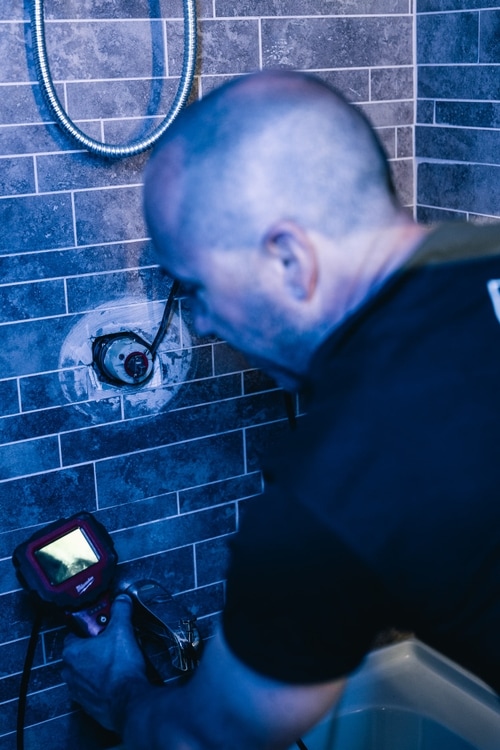
Every sewer repair engagement begins with a drain camera inspection to confirm the failure type, exact location, and pipe material before any repair recommendation is made. This step prevents over-scoping the repair and ensures the excavation plan is based on evidence rather than estimates.
For repairs requiring an Ontario building permit, Galaxy Plumbing Inc. prepares and submits the permit application to the relevant municipal building department and coordinates the required inspection schedule before, during, and after the repair.
The excavation is completed to expose the affected section of pipe, with care taken to protect adjacent utilities, landscaping, and surface features. The defective pipe section is removed and replaced with materials that meet Ontario Building Code specifications, including appropriate pipe class and joining method for the installation depth and soil conditions.
After repair, the municipal building inspector conducts the required plumbing inspection before backfill. Galaxy Plumbing Inc. coordinates this inspection appointment and ensures the reinstatement of all disturbed surface areas after the inspection is completed and passed.
Galaxy Plumbing Inc. provides sewer lateral repair services across the Greater Toronto Area, serving homeowners and property managers in Mississauga, Toronto, Etobicoke, Scarborough, and Oakville. Property management clients with multi-building portfolios can access sewer repair coordination through our property management program, which provides a consistent point of contact for complex repair situations across multiple sites.
Sewer repairs are too significant an investment to award to a contractor who cannot scope the line before quoting, cannot pull permits, or cannot provide documented warranty coverage on their work. Galaxy Plumbing Inc. approaches every sewer repair with camera confirmation, permit compliance, and clear communication at every step. Contact our team to schedule a sewer lateral camera inspection and get an honest, evidence-based assessment of your repair options. Our team provides written estimates and permit-compliant repair work you can count on.
A sewer lateral that blocks once and clears fully after snaking typically needs cleaning rather than repair. A lateral that blocks repeatedly within weeks, that cannot be fully cleared by snaking, or that shows evidence of sewage surcharging at the cleanout during regular household use likely has a structural failure requiring camera diagnosis and repair. Our post on main sewer line clog signs outlines the specific indicators that distinguish a maintenance issue from a structural one.
Yes. In most Ontario municipalities, sewer lateral repair or replacement requires a building permit and plumbing inspection by a municipal building official. Galaxy Plumbing Inc. handles permit application and inspection coordination as part of every sewer repair project, ensuring the work is completed in compliance with Ontario Building Code requirements. Permits are required before excavation begins, not after the fact. Understanding when to call a licensed plumber helps homeowners know what to expect before any sewer repair work begins.
Sewer repair addresses a specific failure point in the lateral, replacing or relining the damaged section while preserving the rest of the existing pipe. Sewer replacement involves removing and replacing the full lateral from the house connection to the municipal sewer main. Camera inspection determines which approach is appropriate by documenting whether the failure is isolated to one section or widespread across the lateral. Galaxy Plumbing Inc. recommends repair over replacement wherever the camera evidence supports it. See our water lines service for related pipe infrastructure services.
A targeted sewer lateral repair in a typical GTA residential property generally takes one to two days, including excavation, pipe replacement, inspection, and initial reinstatement. Full lateral replacement from house to municipal connection takes two to three days depending on lateral length, depth, and surface reinstatement requirements. Timelines can extend when permits require pre-inspection before excavation can begin. Galaxy Plumbing Inc. provides realistic timeline estimates based on camera findings and site conditions. Reviewing signs a drain needs full replacement helps homeowners understand when a repair scope may expand.
Standard homeowner’s insurance policies in Ontario do not typically cover sewer lateral repair, but coverage varies by policy and some insurers offer optional sewer backup endorsements that may cover specific failure types. Homeowners should review their policy and contact their insurer before undertaking a sewer repair to understand what, if any, coverage applies. Galaxy Plumbing Inc. provides the written documentation and camera evidence often required by insurers when a repair claim is submitted. Our post on sewage backup causes explains the connection between lateral failures and backup events that insurers typically assess.