A basement floor drain backing up is not a nuisance to manage with a plunger and a prayer. It is one of the clearest signals your plumbing system sends that something in the line between your home and the municipal connection is failing or obstructed. The basement floor drain sits at the lowest point of your home's drainage system. When any part of that system is overwhelmed or blocked, the backup appears there first.
The team at Galaxy Plumbing responds to basement drain backup calls across the GTA regularly. The one consistent finding is that homeowners who act on the first signs of a backup, even subtle ones, face far lower repair costs and less property damage than those who wait until wastewater is visibly spreading across the basement floor.
The most frequently identified basement drain backup cause is a partial or complete blockage in the main sewer line. This is the pipe that carries all wastewater from your home to the city's sewer system. When that line is blocked by accumulated debris, grease, roots, or a foreign object, wastewater has nowhere to go except backwards. The basement floor drain is the first exit point it finds.
Signs that point specifically to a main sewer line blockage include multiple drains throughout the house slowing simultaneously, gurgling sounds from drains when water is run elsewhere in the house, and water appearing in the basement floor drain when the toilet is flushed or the washing machine drains.
Tree root intrusion is a leading basement drain backup cause in Ontario's older neighbourhoods, where mature trees have had decades to grow near aging clay or cast iron sewer lines. Roots enter through micro-cracks in the pipe, at joint separations, or through any opening they can exploit. Once inside, they grow toward the water source and eventually create a dense obstruction that accumulates debris with every flush.
Root intrusion develops slowly, which means slow drains and occasional gurgling may precede a full backup by months or even years. Catching root growth through a camera inspection before the line is fully blocked is far less expensive than emergency clearing after a backup has occurred. Galaxy Plumbing's Scarborough plumbing team and Mississauga plumbers have handled root intrusion in sewer lines across older GTA neighbourhoods extensively.
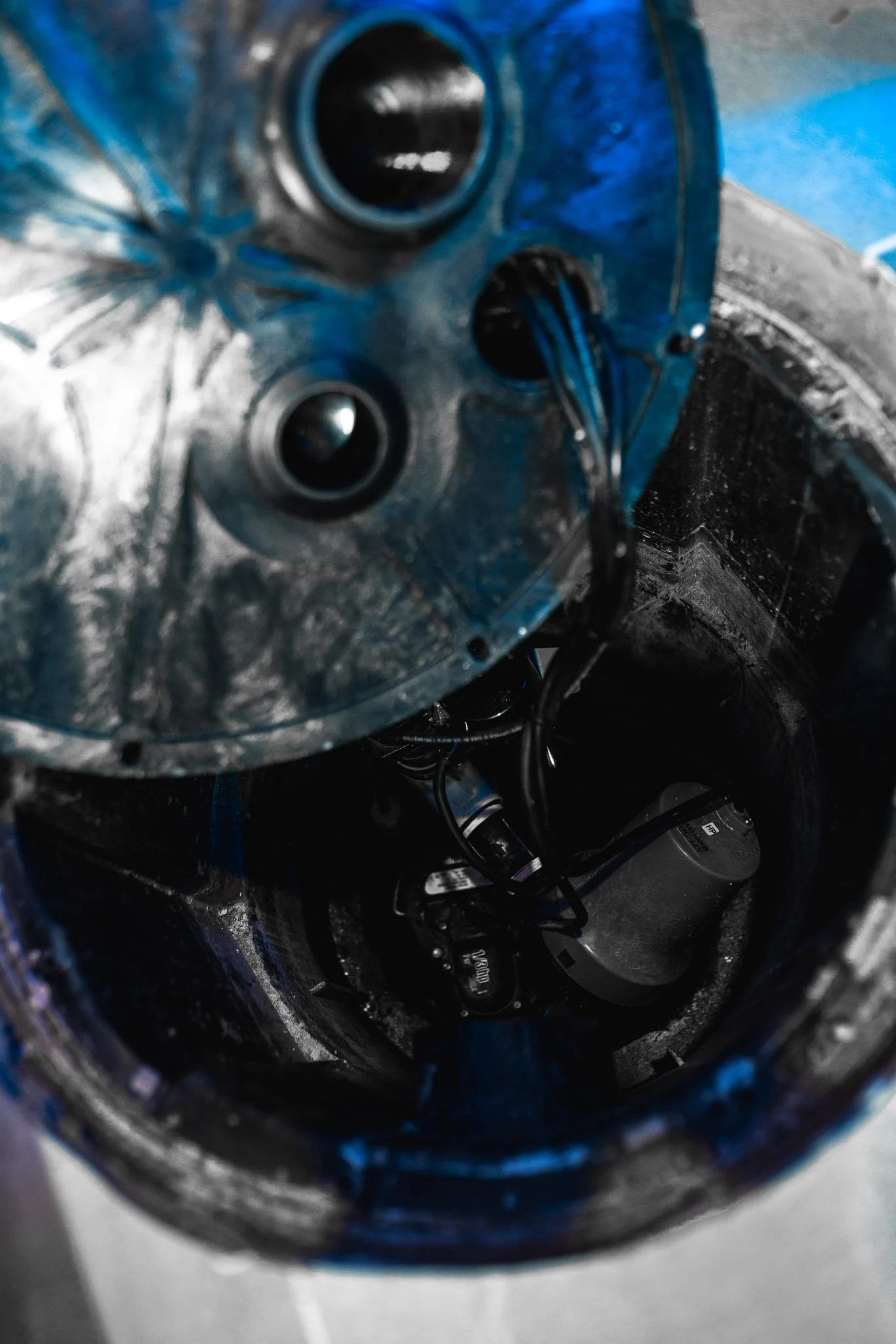
A sump pump failure during periods of heavy rain is one of the most underappreciated basement drain backup causes. When the pump that removes groundwater from beneath the basement floor stops functioning, water accumulates in the sump pit and eventually overflows into the basement. This type of backup does not involve sewage but can cause significant water damage to flooring, walls, and stored belongings.
Sump pump failures often occur at the worst possible time: during a heavy rainfall event when the pump is working hardest. Testing the pump regularly, particularly before the spring thaw and the rainy season, is a practical preventive measure. A battery backup or secondary pump provides an additional layer of protection during extended power outages.
During periods of intense rainfall, the combined storm and sanitary sewer systems serving many Ontario municipalities can become overwhelmed. When the public system exceeds its capacity, wastewater and stormwater back up through the lateral connections running from the street into individual homes. The basement floor drain is the most common entry point for this type of municipal backup.
This cause is outside your direct control, but a properly installed and functioning backwater valve is the most effective protection available. Many Ontario municipalities, including the City of Toronto's basement flooding protection program offer subsidies for backwater valve installation to eligible homeowners.
A significant proportion of basement drain backup causes trace back to what has been put into the plumbing system over time. Kitchen grease poured down the sink builds up on pipe walls and eventually narrows the line. Wet wipes, hygiene products, cotton materials, and paper towels flushed down toilets accumulate at bends and junctions in the line. Clumps of these materials, combined with grease coating the pipe wall, form obstructions that grow until flow is cut off.
Older homes with cast iron or clay sewer lines eventually face pipe degradation from corrosion, soil movement, and decades of use. When a section of the drain line cracks, sags, or collapses, flow is interrupted and wastewater reverses. This type of basement drain backup cause cannot be resolved by clearing alone. The damaged section of pipe must be identified through camera inspection and either relined or replaced.
The floor drain trap holds a small amount of water that acts as a seal against sewer gases entering the basement. If this trap dries out from infrequent use, it loses its seal and allows odours to enter. If the trap itself is blocked with debris that has accumulated from periodic flooding or floor washing, drainage stops. Pouring water down the floor drain periodically and having a plumber inspect the trap condition is a simple maintenance step.
If wastewater is actively backing up into your basement, follow this sequence without delay.
Galaxy Plumbing's 24/7 emergency repair service is available across the GTA. Our team arrives with the diagnostic and clearing equipment needed to identify the cause and address it in one visit. The Government of Canada's guidance on sanitation exposure is also worth reviewing for anyone who has had contact with backed-up wastewater.
The most effective prevention strategy addresses all of the major basement drain backup causes systematically.
For commercial properties where basement drainage handles high-volume use or where a backup would create significant business disruption, Galaxy Plumbing's commercial drainage services include proactive inspection and maintenance programs. Our Toronto plumbing team also serves property managers across the city for both reactive and scheduled drainage work.
Every basement drain backup has a cause that can be identified and addressed. The backup itself is the drainage system performing exactly as designed by routing wastewater to the lowest accessible point rather than allowing it to accumulate in the line and cause hidden structural damage. The appropriate response is professional diagnosis followed by the right repair, not temporary clearing of the surface symptom.
Galaxy Plumbing serves homeowners and property managers across Toronto, Mississauga, Scarborough, Oakville, and the surrounding GTA. Whether you are responding to an active backup or want a professional assessment of your basement drain system before a problem develops, contact our team to schedule a visit.
Rain-related basement drain backups typically indicate that the municipal sewer system is overwhelmed and pushing wastewater backwards through the lateral connection to your home, or that a sump pump has failed under the increased load. A properly functioning backwater valve prevents municipal overflow from entering. A sump pump inspection confirms whether that system is operating correctly.
Yes. Wastewater that enters your basement through a drain backup carries bacteria, pathogens, and contaminants that pose real health risks. Avoid direct contact with the water, do not allow children or pets in the affected area, and arrange for proper cleanup rather than simply mopping up the visible water. Contaminated building materials may require professional remediation.
The most reliable indicator of a main sewer line issue is when multiple drains in the home are slow or backing up simultaneously. If flushing the toilet causes water to appear in the basement floor drain, or if running the washing machine causes gurgling in the floor drain, the problem is in the main line rather than an individual fixture.
For minor, localized floor drain blockages that are clearly in the trap or immediately below the drain cover, cleaning the trap yourself is reasonable. For any backup that involves wastewater appearing at the drain level, multiple fixtures slowing simultaneously, or visible sewage, call a licensed plumber. The risk of misdiagnosis and inadequate clearing creates ongoing problems that exceed the cost of a professional visit.
A backwater valve is a one-way gate installed in the main sewer line that allows wastewater to flow out of the home but closes automatically if flow reverses, preventing municipal sewer overflow from entering. Most homes in Ontario that have experienced municipal-related basement flooding benefit from one. Many municipalities offer installation subsidies. A licensed plumber assesses the suitability of your specific drain configuration and performs the installation.
Galaxy Plumbing's licensed emergency team responds to basement drain backups across the GTA around the clock. We diagnose the cause, apply the right clearing method, and provide a clear written assessment so you understand exactly what happened and what to do next. Contact us immediately or visit our emergency repair page.