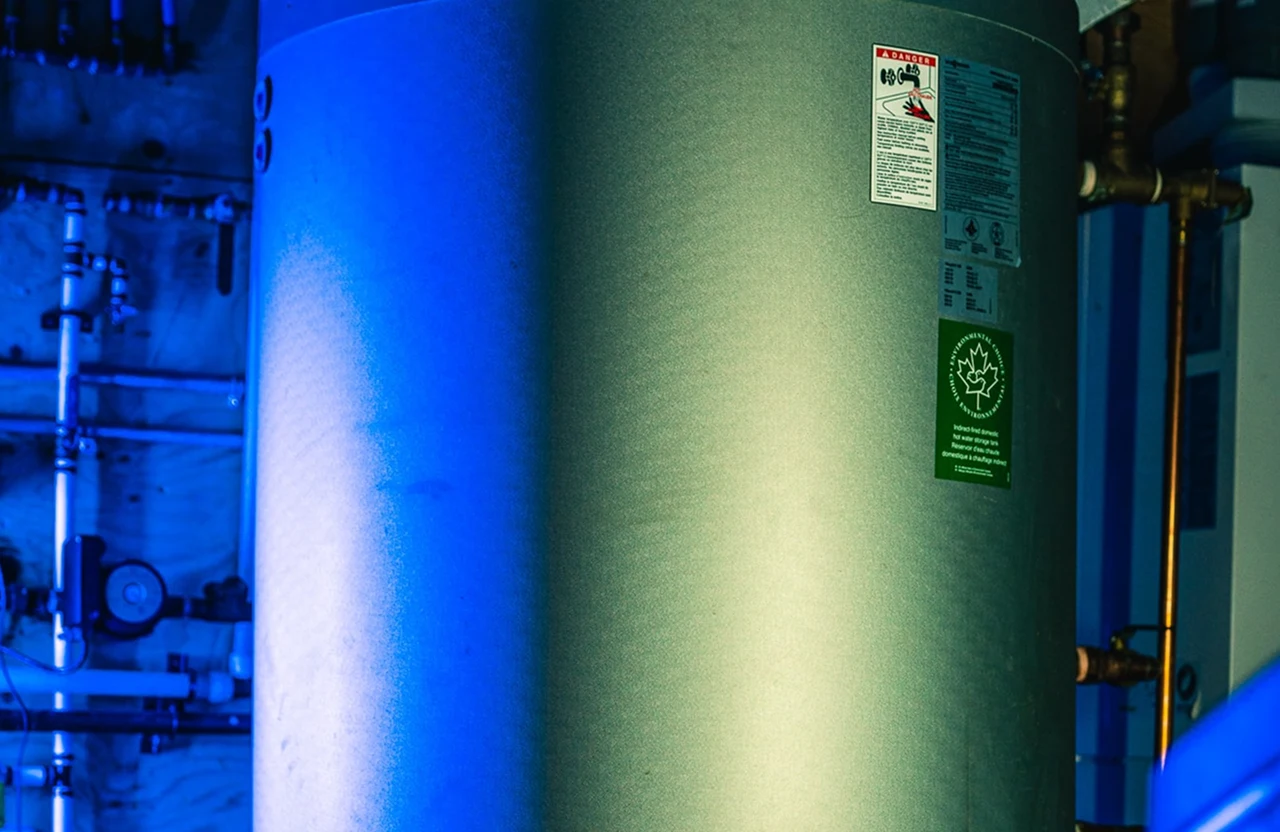
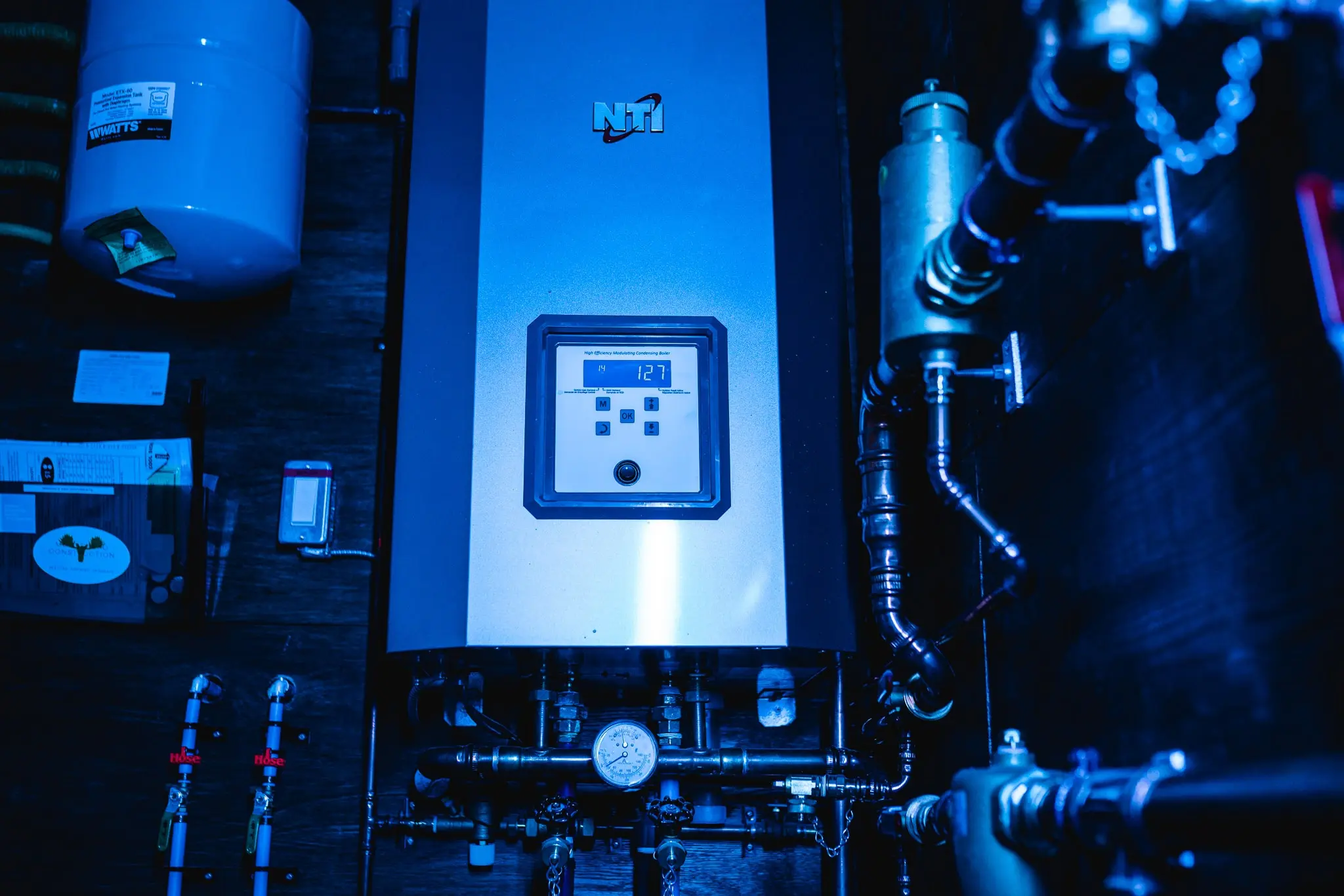
A whole house water softener is a treatment system installed on the main water supply line entering the home. It removes dissolved calcium and magnesium ions, which are the minerals responsible for hard water, through a process called ion exchange. Hard water passes through a resin tank filled with resin beads that carry a sodium charge. The calcium and magnesium ions in the water attach to the beads and release sodium ions in exchange, producing softened water that flows through all supply lines in the home.
The resin tank regenerates periodically by flushing with a brine solution from a connected salt tank. During regeneration, the accumulated calcium and magnesium are flushed to drain and the resin beads are recharged with sodium, ready for the next treatment cycle. Modern systems manage regeneration automatically based on water usage rather than a fixed schedule, which reduces salt consumption and water waste compared to older timer-based units.
Mississauga receives its municipal water supply from Lake Ontario, treated by the Region of Peel. GTA municipal water typically measures between 120 and 180 milligrams per litre of total dissolved hardness, which places it in the moderately hard to hard range. At these levels, limescale deposits on fixtures and inside pipes build up at a rate that homeowners can observe within months. According to Health Canada, hard water does not pose a direct health risk but does affect plumbing system longevity and appliance performance.
The hardness level in GTA water is high enough that homes without softening see visible scale on faucet aerators, showerheads, and tile grout within one to two years of installation. Pipes and fixtures accumulate internal scale more slowly but meaningfully over a decade. A whole house softener prevents this accumulation across every point in the supply system.
The primary benefit is scale prevention throughout the entire supply system. Softened water does not deposit calcium and magnesium inside supply lines, fixture bodies, aerators, or showerheads. This preserves the internal diameter of the supply lines and extends the service life of all connected fixtures. A supply line that has been protected from scale buildup for a decade performs measurably better than one that has accumulated hard water deposits.
Secondary benefits include improved skin and hair feel during bathing, improved soap and shampoo lathering because softened water does not form the soap scum that hard water creates, brighter laundry because detergent performs more effectively in soft water, and extended life of faucet washers and O-rings because the scale deposits that contribute to premature wear are eliminated.
A water softener addresses hardness by removing calcium and magnesium through ion exchange. It does not filter bacteria, chlorine, sediment, or other contaminants. A water filter, depending on type, removes specific contaminants such as chlorine, sediment, heavy metals, or biological matter but does not address hardness. These are distinct functions that address different water quality concerns.
Many GTA homeowners install both: a softener to address hardness throughout the whole house and a water filtration system, such as an under-sink reverse osmosis unit, to improve the taste and safety of drinking water at a specific tap. The two systems work in parallel and complement each other without conflict.
A whole house water softener is a reasonable investment for GTA homeowners who observe significant scale buildup on fixtures, experience frequent aerator clogging, notice reduced showerhead flow after a year or two, or want to protect supply lines and fixtures from long-term hard water wear. It is especially relevant in homes with original copper or galvanized supply lines where scale accumulation compounds existing pipe age concerns.
It is less necessary in newly built homes with PVC supply systems where internal scale is less of a longevity concern, or in households where water consumption is very low. Homes with older galvanized lines that have already accumulated significant scale gain the most from softener installation because it stops further accumulation and preserves remaining pipe capacity. A licensed plumber from Galaxy Plumbing Inc. can assess the existing water leak detection history and supply condition before recommending a system.
Installing a whole house water softener requires a connection point on the main cold supply line entering the home, a drain line for regeneration discharge, a power outlet near the installation location for the control valve, and space for the resin tank and the brine tank. Most residential installations are completed in a half-day by a licensed plumber.
The connection to the main supply line must be made by a licensed plumber under the Ontario environmental regulations and the Ontario plumbing code. Galaxy Plumbing Inc. handles the full installation including the bypass valve, which allows the supply to continue while the softener is regenerating or being serviced, and the drain line connection required for the brine flush cycle.
Whole house water softeners require minimal maintenance but need periodic salt replenishment in the brine tank and an occasional resin cleaning if iron is present in the water supply. Most systems indicate when the salt level is low through a display or a mechanical float. Keeping the brine tank consistently above one-quarter full ensures uninterrupted regeneration cycles.
In the GTA, municipal water does not contain significant iron at most tap points, so resin cleaning is less frequently needed than in well-water installations. An annual inspection by a licensed plumber confirms that the control valve is cycling correctly, the bypass is functioning, and the resin tank has not developed channeling from excessive flow. Galaxy Plumbing Inc. serves Mississauga and all GTA municipalities for annual softener inspection and maintenance visits.
The clearest signs are visible white scale deposits on faucet aerators and showerheads, soap scum buildup on shower tile and glass doors, reduced showerhead flow after one to two years, and a stiff or filmy feeling on skin and hair after bathing. GTA municipal water is hard enough that homes without softening will show these signs within a few years. A licensed plumber from Galaxy Plumbing Inc. can assess your fixtures and recommend the appropriate system. Contact the team through Galaxy Plumbing for an in-home assessment.
A water softener removes calcium and magnesium through ion exchange to eliminate hardness. A water filter removes contaminants such as chlorine, sediment, or heavy metals to improve water safety and taste. They address different problems and can be used together in the same home. Many GTA homeowners install a whole house softener for hardness treatment and a point-of-use water filtration system for drinking water quality at a specific tap.
Softened water prevents scale accumulation inside pipes and fixtures but does not damage them. Softened water has a slightly elevated sodium content compared to unsoftened water, but at the levels produced by a residential ion exchange softener, this does not affect copper, PVC, or brass fittings. The elimination of scale is particularly beneficial for older copper supply line systems in GTA homes where scale buildup compounds existing pipe age concerns.
A quality whole house water softener typically lasts 10 to 15 years with proper maintenance, primarily regular salt replenishment and an annual inspection of the control valve and resin condition. The resin itself can last 10 to 20 years depending on water quality and usage volume. In GTA homes with municipal supply, the resin tends to last toward the longer end of this range because municipal water does not contain the iron levels that degrade resin faster in well-water applications. Contact Mississauga-based Galaxy Plumbing Inc. for annual maintenance service.
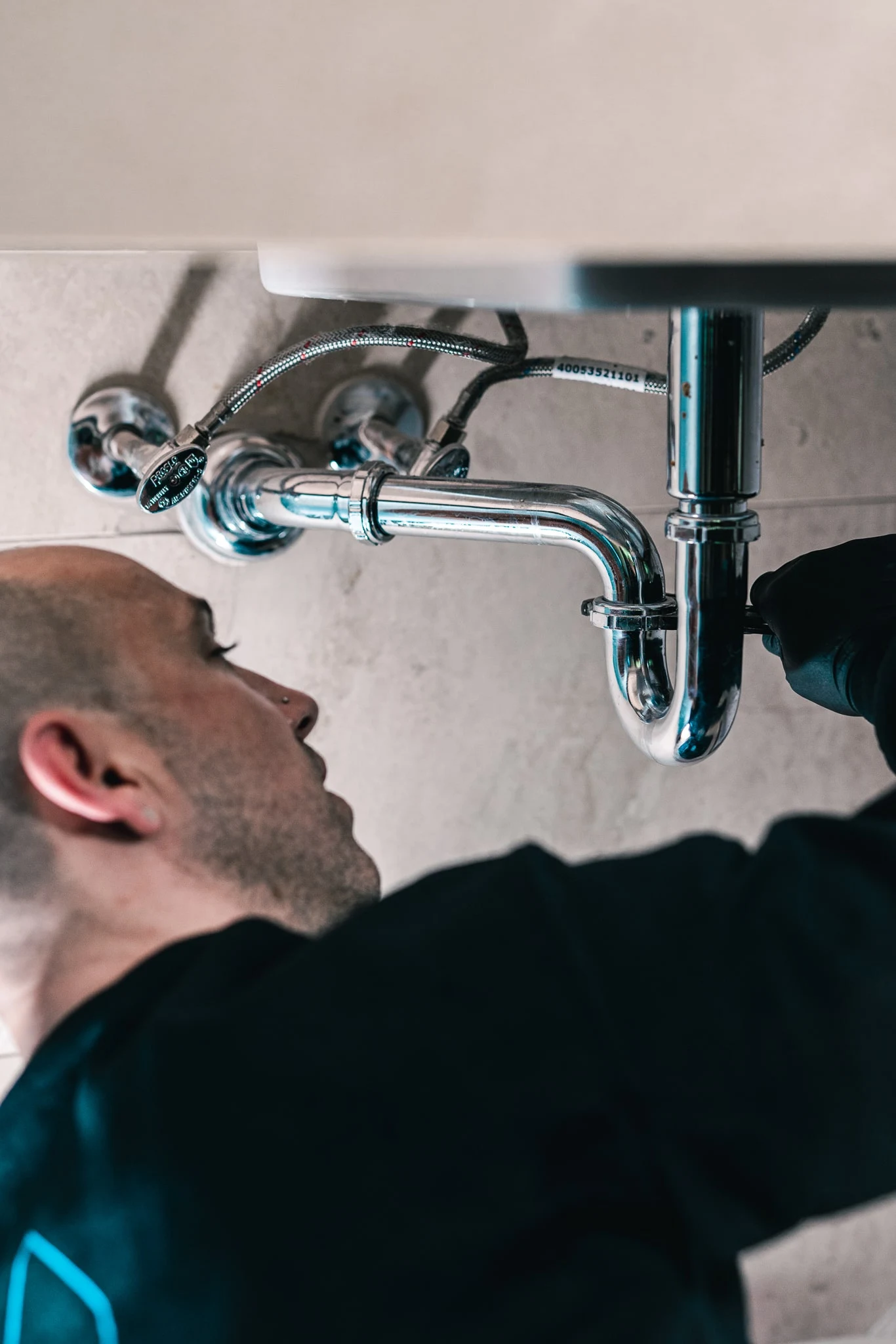
In most GTA municipalities, connecting a water softener to the main supply line requires a licensed plumber and must follow the Ontario plumbing code, but a building permit is not typically required for a standard softener installation at a residential property. Requirements vary by municipality. Galaxy Plumbing Inc. operates as a fully licensed plumbing company and ensures all supply line connections meet current code requirements. The team also checks the vanity and sink connections that feed from the softened supply line to confirm they are sealed correctly.
Hard GTA water causes real, measurable damage to supply lines, fixtures, and appliances over time. A whole house water softener stops that damage at the source. Galaxy Plumbing Inc. installs residential water softener systems across Mississauga, Toronto, Scarborough, Etobicoke, and Oakville with licensed supply line connections and upfront pricing. Contact us to schedule a water softener assessment and installation for your GTA home.