Your plumbing pipes are an essential component of your Toronto home's infrastructure, responsible for delivering fresh water and disposing of wastewater. Over time, however, these pipes can deteriorate, leading to leaks, reduced water pressure, and potential water damage. Knowing when to replace your plumbing pipes is crucial to maintaining a safe and efficient plumbing system. In this blog post, we will explore the signs that indicate it's time to have your plumbing pipes replaced in Toronto and the importance of hiring a professional plumber for this critical task.
Age of the Plumbing Pipes
- The age of your plumbing pipes is one of the primary factors to consider when determining if they need replacement.
- If your pipes are over 50 years old, they may be reaching the end of their lifespan, making replacement a wise decision to prevent potential issues.
Frequent and Persistent Leaks
- Frequent and persistent leaks in your plumbing system can indicate that the pipes are corroded or have developed weak spots.
- Replacing these aging pipes can prevent further leaks and water damage to your home.
Low Water Pressure
- A sudden and unexplained drop in water pressure throughout your home can be a sign of pipe deterioration or mineral buildup inside the pipes.
- Hiring a professional plumber can help identify the cause of the low water pressure and determine if pipe replacement is necessary.
Discolored or Rusty Water
- Discolored or rusty water coming from your faucets can be a sign of corroded pipes.
- Rusty pipes can affect water quality and lead to further issues if not replaced promptly.
Water with Unpleasant Odors or Tastes
- If your water has a strange odor or taste, it could indicate that your plumbing pipes are corroded or contaminated.
- Replacing the pipes can improve the quality and taste of your drinking water.
Noisy Pipes
- Loud banging or clanging sounds in your plumbing system, known as water hammer, can be a sign of aging pipes.
- Replacing the pipes can resolve water hammer issues and prevent damage to your plumbing system.
Visible Pipe Damage
- Inspect your plumbing pipes regularly for visible signs of damage, such as cracks, bulges, or visible corrosion.
- If you notice any damage, it's essential to consult a professional plumber to assess the condition of your pipes and determine if replacement is necessary.
Frozen Pipes
- If your pipes have frozen in the past, it may weaken them and increase the risk of future bursts.
- Replacing the pipes with more durable materials can prevent similar issues in the future.
Lead or Galvanized Pipes
- If your home has lead or galvanized pipes, it's crucial to have them replaced as they pose health risks and are prone to corrosion.
- Upgrading to safer and more durable materials, such as copper or PEX, is recommended.
Renovation or Home Improvement Projects
- If you're planning a major renovation or home improvement project, it's an opportune time to consider pipe replacement.
- Upgrading your plumbing system during renovations can ensure that your home is equipped with modern and efficient pipes.
Energy Efficiency and Cost Savings
- Old and deteriorated pipes can contribute to water wastage and higher water bills.
- Upgrading to newer pipes can improve energy efficiency and lead to long-term cost savings.
Hiring a Professional Plumber for Pipe Replacement
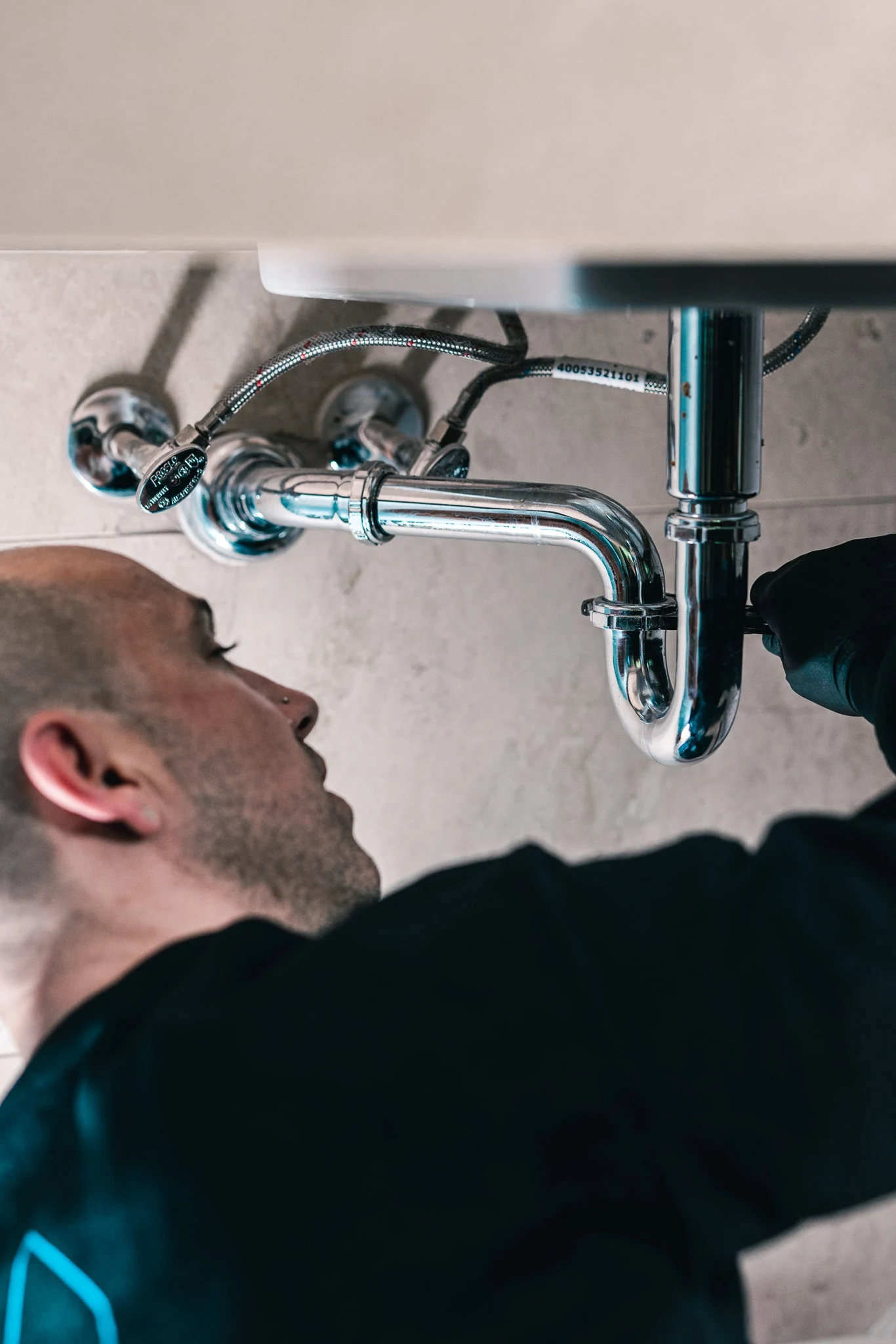
- Professional expertise: Hiring a professional plumber ensures that the pipe replacement process is carried out by trained experts with the necessary skills and knowledge.
- Proper assessment: A professional plumber will thoroughly assess the condition of your plumbing pipes to determine if replacement is necessary or if repairs are sufficient.
- Quality materials: Professional plumbers use high-quality materials for pipe replacement, ensuring the durability and longevity of the new plumbing system.
- Compliance with regulations: A professional plumber will ensure that the pipe replacement adheres to local building codes and regulations.
- Warranty and guarantee: Reputable plumbing companies often offer warranties and guarantees for their services, providing peace of mind and protection for homeowners.
Conclusion
Knowing when to replace your plumbing pipes is essential for maintaining a safe and efficient plumbing system in your Toronto home. Signs such as frequent leaks, low water pressure, discolored water, and visible pipe damage indicate the need for replacement. Hiring a professional plumber for this critical task ensures that the process is carried out with expertise, quality materials, and compliance with regulations. By recognizing the signs and investing in pipe replacement when needed, homeowners can avoid potential water damage, improve water quality, and ensure the longevity of their plumbing system. Don't wait for a plumbing emergency; consult a professional plumber today to assess the condition of your pipes and take proactive measures to safeguard your home's plumbing infrastructure.