A hot water recirculation pump is a small pump installed on the domestic hot water supply system that keeps hot water moving through the supply lines when fixtures are not in use. Without recirculation, hot water in the supply lines cools when no fixture is being used, and the next user must run the tap until the cooled water purges and fresh hot water arrives from the source. In a large home or a multi-storey building with long supply line runs, this wait can be significant and wastes a measurable volume of water.
According to Environment Canada, waiting for hot water to arrive at a tap can waste between four and ten litres of water per use depending on the length of the supply run. A recirculation system eliminates this waste by keeping the supply lines charged with hot water at all times or circulating hot water on demand through a programmable control or a push-button sensor at the fixture.
Full recirculation systems use a dedicated return line that runs from the furthest point of the hot water distribution back to the source, completing a loop. The pump circulates water through this loop continuously or on a timer, keeping every section of the supply system at or near the delivery temperature. Full loop systems require a dedicated return pipe to be installed during construction or as part of a renovation, as retrofitting requires running new pipe through finished walls and floors.
Comfort or crossover systems retrofit into existing homes that do not have a dedicated return line. They use the cold supply line as the return path by installing a crossover valve at the most distant fixture from the source and a pump at or near the hot supply output. The crossover valve allows the cooled hot supply water to flow back to the source through the cold line when the system is circulating. The limitation of this approach is that the cold line at fixtures near the crossover valve may feel slightly warm for a short period after a recirculation cycle. Galaxy Plumbing Inc. assesses which system type is appropriate based on the supply line configuration of each home during the pre-installation site visit.
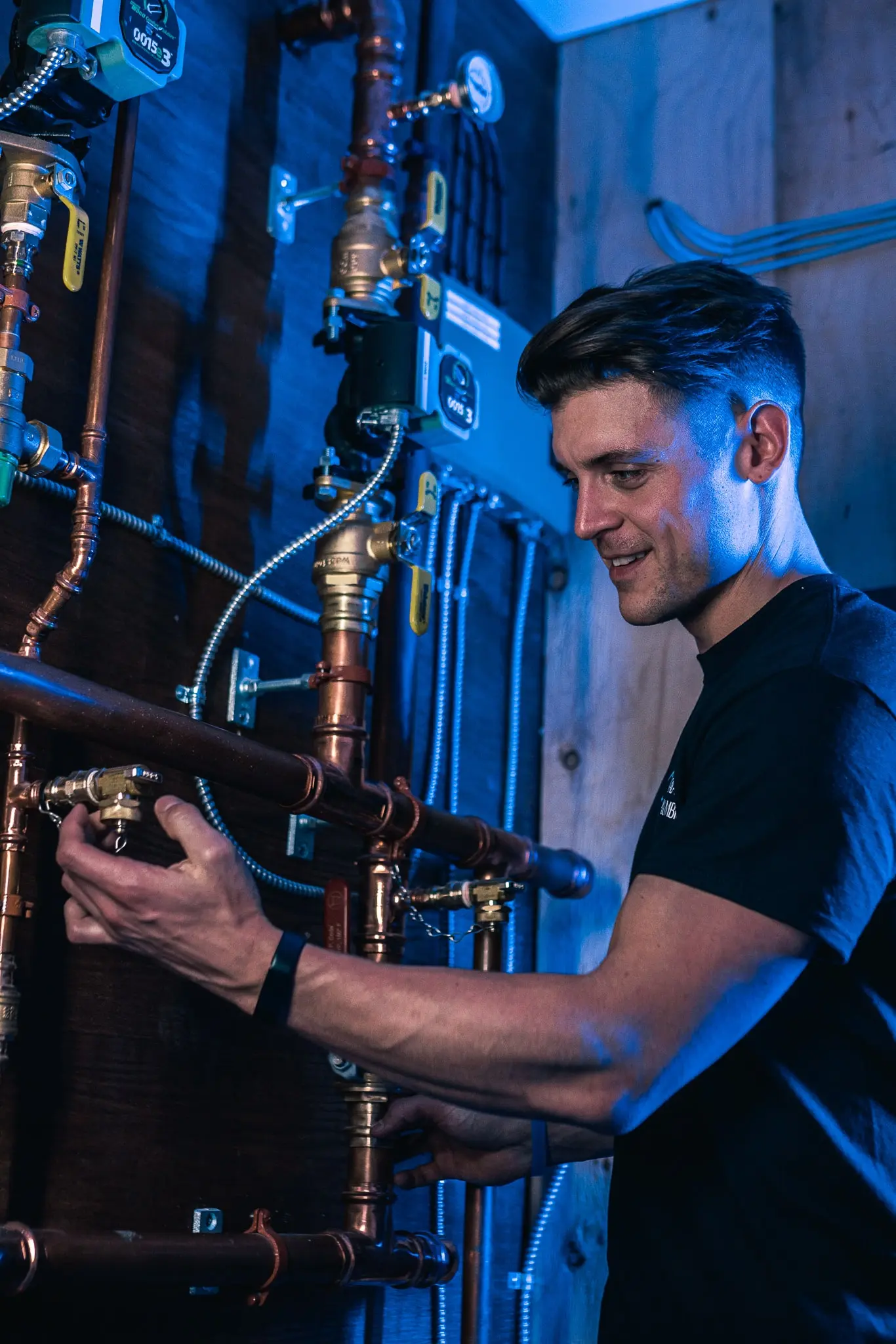
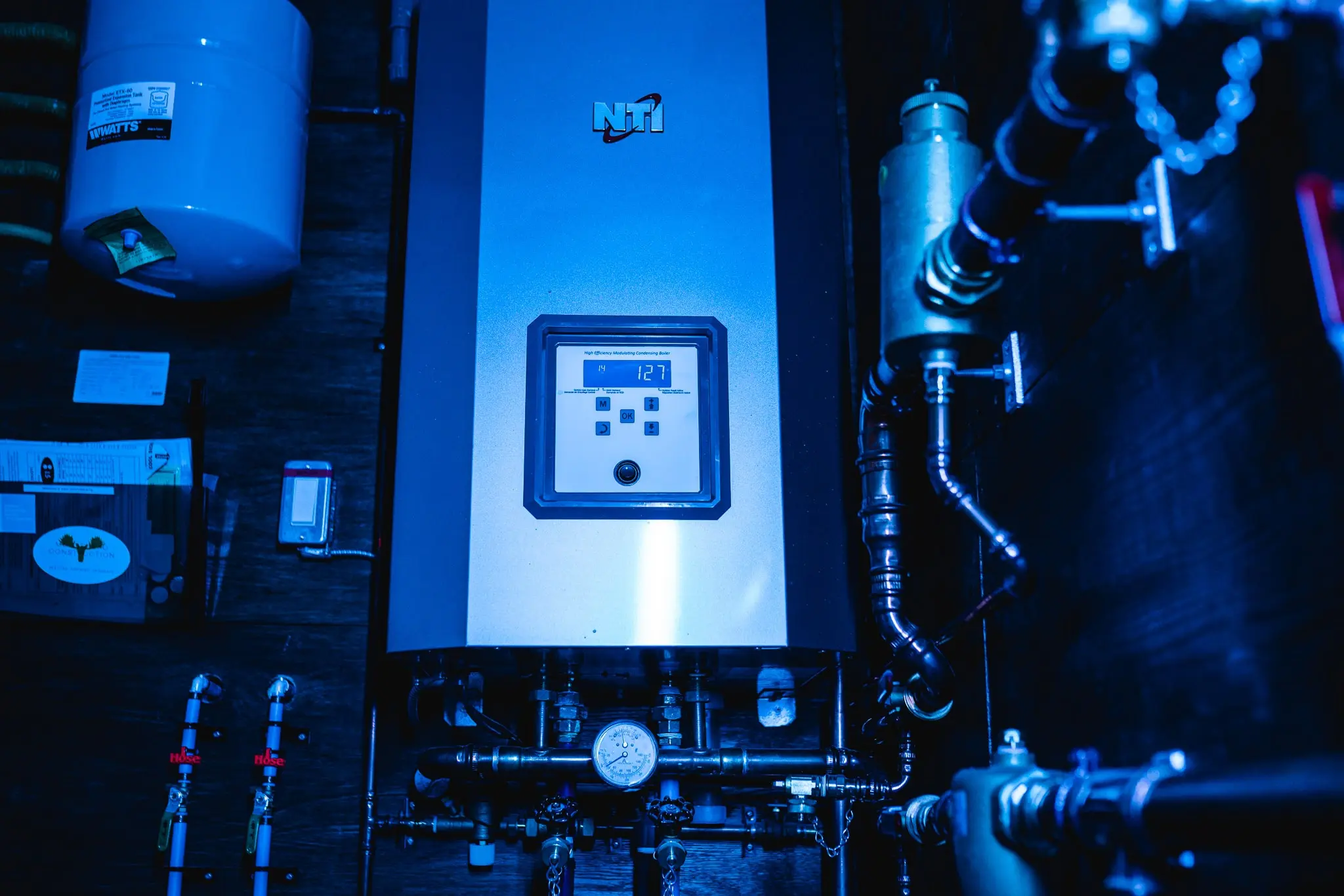
Installing a recirculation pump in an existing GTA home typically involves connecting the pump body to the hot supply line at a point near the hot water source, installing the crossover valve at the most distant fixture if a full return line does not exist, running the electrical connection for the pump motor (most residential recirculation pumps require a standard 120V outlet), and commissioning the control system, whether a timer, a push-button demand switch, or a temperature-sensing automatic control.
The supply line connections must comply with the Ontario Building Code and are made by a licensed plumber. The pump body must be installed at the correct orientation relative to the flow direction, and the crossover valve must be calibrated to the correct opening temperature to allow crossover flow without causing the cold supply line to warm excessively. Galaxy Plumbing Inc. installs both pump and control components and confirms system operation before the service visit ends, checking flow at the most distant fixture to confirm recirculation is functioning correctly.
The most common sign that a recirculation pump has failed or is failing is a return of the long wait for hot water at distant fixtures, which indicates the pump is no longer circulating. Additional signs include an increase in the noise level from the pump location, usually a grinding or humming sound that differs from the quiet hum of normal operation, a pump body that is hot to the touch (indicating the motor is running but the impeller is not moving fluid), and visible moisture or corrosion at the pump connections or body seals.
Recirculation pumps have an average service life of 10 to 15 years. Pumps in GTA homes with hard water may experience earlier impeller wear from mineral scale accumulation, a concern supported by Health Canada’s guidance on hard water and plumbing system maintenance, which notes how mineral buildup affects household water systems over time. If the pump has been running for many years and begins showing symptoms, replacement is typically more cost-effective than internal component repair. Galaxy Plumbing Inc. assesses whether a symptomatic recirculation pump warrants repair or replacement and provides an upfront recommendation before any work begins. If the issue is not in the pump itself but in the crossover valve at the distant fixture, the team also handles vanity and sink connection assessments at that point.
A recirculation pump saves water by eliminating the cold water purge at each fixture. The water that would otherwise be run down the drain while waiting for hot water is instead kept within the supply system. In a household with multiple daily uses across multiple fixtures and long supply runs, this saving can amount to hundreds of litres per month. The energy offset depends on the system type: a continuously circulating full loop system uses pump energy and experiences some heat loss through the supply lines, while a demand-controlled system that activates only when needed uses minimal pump energy and prevents heat loss when not circulating.
For GTA homeowners in Mississauga where water is billed on a volumetric rate, the water savings from a recirculation system contribute meaningfully to the reduction in quarterly water charges. The combined water savings and comfort improvement make recirculation pump installation a practical upgrade for homes with supply runs longer than fifteen to twenty metres from source to fixture.
A recirculation pump failure that simply results in a longer wait for hot water at distant fixtures is not an emergency plumbing situation. However, a pump that fails at the supply connection and causes a water leak at the pump body or fitting requires prompt attention because the pump is installed on the pressurised hot supply line. A connection failure on a pressurised supply line is a continuous leak regardless of whether fixtures are being used, and the consequences are the same as any supply line leak: progressive water damage to the surrounding structure if not addressed promptly.
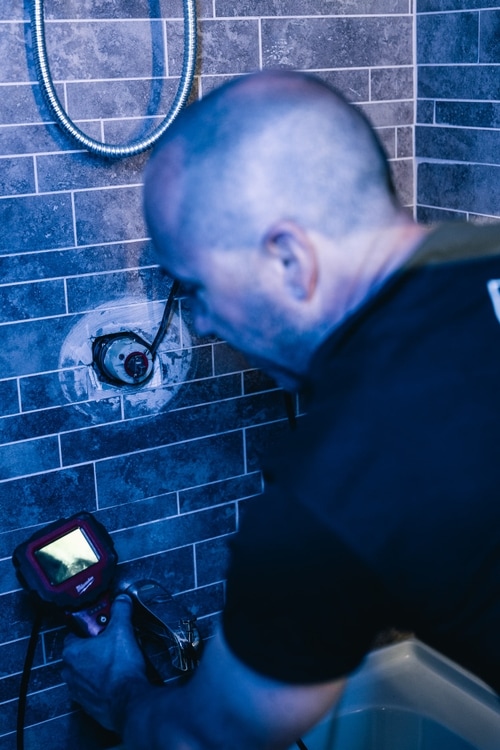
Galaxy Plumbing Inc. provides 24/7 emergency repairs for supply line leaks at pump connections across the GTA. For homes where a pump connection leak has gone undetected, the team also uses water leak detection equipment to confirm the extent of moisture intrusion before the pump is replaced and the connection is remade.
Stop running the tap and waiting. Galaxy Plumbing Inc. installs and repairs recirculation pump systems across Mississauga, Toronto, Scarborough, Etobicoke, and Oakville with licensed supply line connections, proper control system commissioning, and upfront pricing. Contact us to schedule a recirculation pump installation assessment for your GTA home or building.
Hot water pressure and recirculation are separate things. Good pressure at the tap does not eliminate the wait for hot water if the supply line run between the source and the fixture is long and the water in the line has cooled. A recirculation pump addresses wait time, not pressure. If hot water arrives quickly at your furthest fixtures, a recirculation pump is not needed. If waiting more than a few seconds is routine at any fixture, a recirculation system is worth assessing. Contact Galaxy Plumbing to assess whether a recirculation system is appropriate for your home's supply configuration.
Recirculation pump installation in a GTA home varies based on the system type chosen and the accessibility of the installation locations. A comfort system installation in an accessible utility room with an existing outlet nearby involves less labour than a full loop system requiring a new return line. Galaxy Plumbing Inc. provides upfront pricing after a site assessment and confirms the supply line configuration before quoting. For homes with a compatible supply line setup, comfort system installation is completed in a single service visit in most cases.
A comfort system that uses the cold supply line as a return path will cause the cold supply line to feel slightly warmer than normal for a short period immediately after a recirculation cycle, particularly at fixtures near the crossover valve. The crossover valve is temperature-calibrated to close before the cold line warms significantly, limiting this effect. Most homeowners find the effect minimal and transient. A full loop system with a dedicated return line does not affect the cold supply line at all. Galaxy Plumbing Inc. explains this trade-off during the pre-installation assessment for Mississauga and GTA homeowners considering either system type.
Recirculation pumps are a standard component of domestic hot water systems in larger multi-unit residential buildings, where the supply run from the hot water source to the furthest suites is too long for acceptable wait times without circulation. In these buildings, the recirculation pump is typically installed in the mechanical room as part of the building's domestic hot water distribution system and serves all suites simultaneously. Individual suite crossover systems are not used in multi-unit buildings. Galaxy Plumbing Inc. handles building-level recirculation system installation and repair across the GTA for residential and commercial properties. Contact Galaxy Plumbing to discuss multi-unit recirculation requirements.
A comfort system installation in an accessible GTA home with an existing electrical outlet near the installation location is typically completed in two to four hours. A full loop system requiring a new return line run through the home takes significantly longer, with the timeline depending on the home's construction and the accessibility of the supply line route. Pump-only replacement, where the existing pump body is removed and a new unit is installed in the same location with the same connections, is typically completed in under two hours. For homes needing emergency repairs at a failed pump supply connection, Galaxy Plumbing Inc. provides same-day response across the GTA.