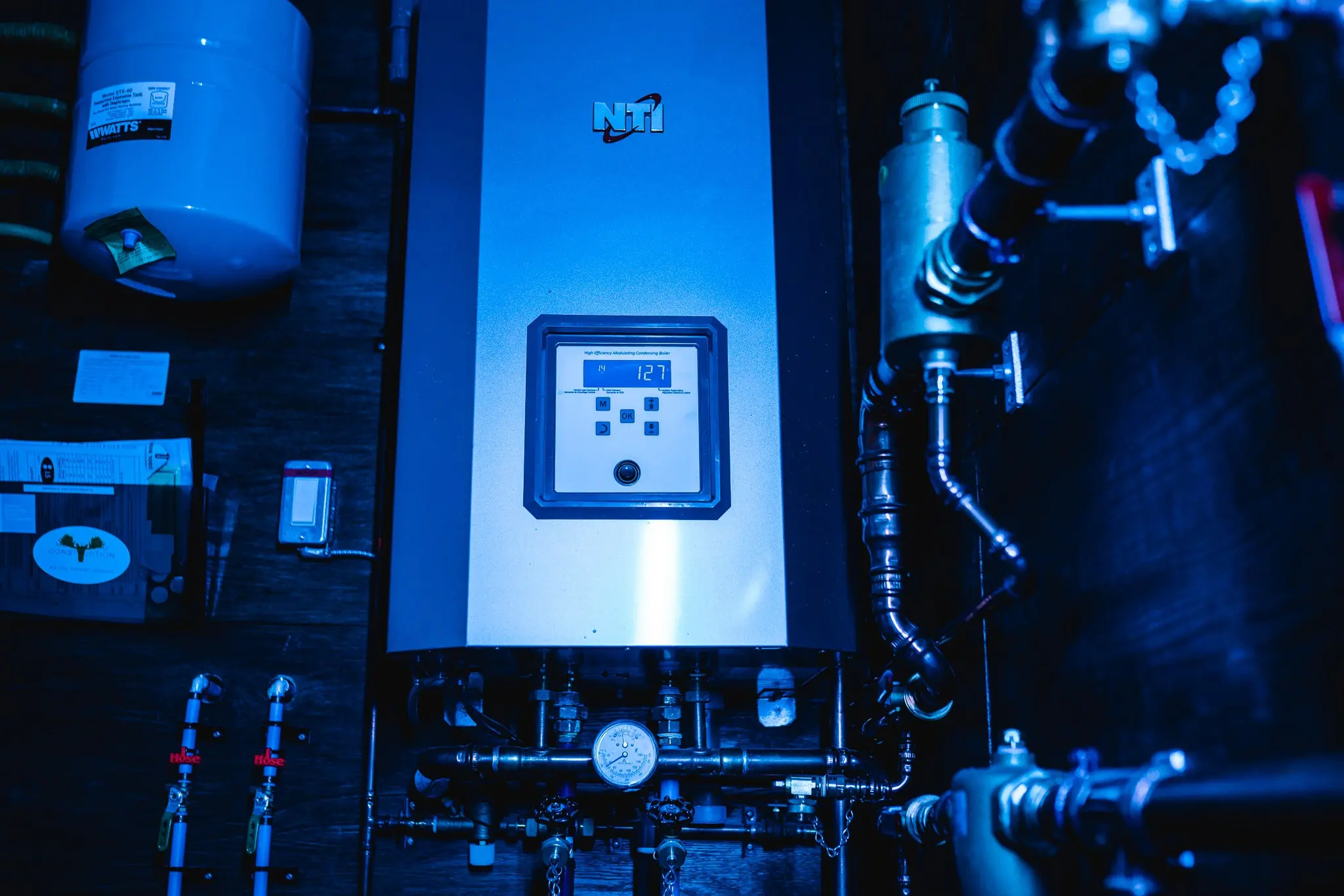
Living in a waterfront home offers a picturesque and serene lifestyle, with the soothing sounds of water and breathtaking views. However, owning a house close to the water also comes with its fair share of challenges, especially when it comes to the plumbing system. Waterfront properties are exposed to unique environmental factors that can impact the plumbing infrastructure and necessitate more frequent plumbing services. In this blog post, we will explore the reasons why houses close to the water require more plumbing services, helping homeowners understand the importance of regular maintenance and the need for professional plumbing assistance.
Exposure to High Moisture Levels
- Waterfront homes are constantly exposed to high moisture levels due to the proximity to the water source. This excess moisture can lead to condensation and create a conducive environment for mould and mildew growth, which can affect plumbing fixtures and pipes.
- Plumbing components, such as faucets, showerheads, and pipes, are more susceptible to rust and corrosion in such humid conditions, potentially leading to leaks and other issues.
Impact of Water Corrosion
- Homes near the water face the challenge of land erosion. As such, this can cause leaks and possibly drainage problems.
- Regular inspections and maintenance by professional plumbers are essential to identify early signs of corrosion and prevent extensive damage to the plumbing system.
Vulnerability to Flooding
- Waterfront homes are at higher risk of flooding, especially during heavy rainfalls, storms, or tidal surges. Flooding can wreak havoc on a property's plumbing system, leading to water backups, pipe damage, and contaminated water supply.
- Homeowners in waterfront areas must have proper drainage systems and backflow prevention devices to safeguard against flooding-related plumbing issues.
Influence of Seawater Intrusion
- In some regions, there is a possibility of lake water intrusion into the groundwater supply, which can affect private well systems that some waterfront homeowners rely on.
- Lake water intrusion can contaminate the water supply, making it unsuitable for household use and necessitating specialized plumbing services to address the problem.
Erosion and Unstable Soil
- Waterfront properties are often located on soil that is more prone to erosion and instability due to constant exposure to water and weather conditions.
- Erosion can cause shifts in the ground, potentially damaging underground plumbing lines and sewer connections, leading to leaks and blockages.
Dealing with Marine Life Intrusions
- Living close to the water means increased encounters with marine life, such as seaweed, shells, and even aquatic creatures that can find their way into plumbing fixtures and pipes.
- Professional plumbing services can effectively clear blockages caused by marine life intrusions and prevent any potential damage to the plumbing system.
Importance of Backflow Prevention
- Waterfront homes are at greater risk of experiencing backflow, a situation where contaminated water flows back into the clean water supply.
- Installing backflow prevention devices is crucial to ensure the safety of the water supply and protect the health of the residents.
Regular Maintenance is Vital
- Due to the unique challenges faced by waterfront homes, regular plumbing maintenance is vital to detect and address potential issues before they escalate.
- Homeowners should schedule routine inspections with professional plumbers to assess the condition of their plumbing system and perform any necessary repairs or replacements.
Professional Expertise and Tools
- Engaging professional plumbers with experience in dealing with waterfront properties is essential to address the specific challenges associated with these homes effectively.
- Plumbers equipped with specialized tools and expertise can perform thorough inspections and offer tailored solutions to keep the plumbing system in optimal condition.
Conclusion
Owning a house close to the water undoubtedly offers a beautiful and serene lifestyle, but it also comes with unique plumbing challenges. Waterfront properties face higher exposure to moisture, saltwater corrosion, flooding, and erosion, making regular plumbing services a necessity. Understanding the potential issues that waterfront homeowners may encounter and the importance of timely maintenance and professional plumbing assistance will help preserve the integrity of the plumbing system and ensure a smooth and enjoyable living experience. By taking proactive measures and relying on experienced plumbers, homeowners can confidently maintain their waterfront properties and overcome the plumbing challenges associated with living close to the water.