Kitchen sink installation covers two distinct scenarios: replacing an existing sink in its current position, and installing a sink as part of a kitchen renovation where plumbing connections are moved or newly roughed in. A like-for-like replacement, where the new sink fits the same countertop cutout and connects to the same drain and supply locations, is a straightforward plumbing task. A new installation as part of a renovation involves rough-in plumbing and is a more involved job.
Every kitchen sink installation includes setting the sink body into the countertop opening, securing it from below, connecting the basket strainer or drain assembly to the P-trap and drain arm, and connecting the hot and cold supply lines to the faucet body. When the faucet is also being replaced as part of the same project, the faucet is installed in the sink deck before the sink is set into the counter, which is easier than mounting the faucet after the sink is already in place.
The most common kitchen sink types in GTA residential homes are drop-in and undermount configurations. A drop-in sink rests on the countertop with its rim supporting the weight of the basin from above. Installation involves setting the sink into the cutout, applying silicone sealant around the rim, and securing it with mounting clips from below. A drop-in replacement is straightforward when the new sink matches the existing cutout dimensions.
An undermount sink attaches to the underside of a solid surface or stone countertop, creating a clean edge where the countertop ends and the sink basin begins. Undermount installation requires the countertop to be cut accurately for the sink model and requires strong adhesive bonding to the countertop material. Retrofitting from a drop-in to an undermount configuration requires a new countertop cut and is typically done as part of a full counter replacement.
Ontario requires a licensed plumber for any work that touches the drain rough-in inside the wall, the supply valve connections, or the main shutoff. Connecting the P-trap and drain arm in the cabinet below the sink is standard plumbing work that a licensed plumber completes as part of any sink installation. A homeowner can legally perform some fixture work in their own home, but when in doubt, having a licensed professional on the job ensures the work meets the Ontario Building Code and that any future insurance claim is not affected by unlicensed plumbing work.
A licensed plumber is unambiguously required when: the sink is moving to a new location in the kitchen; new drain rough-in is being run to a different wall; the supply shutoff valves are seized or corroded and need replacement; or new supply lines need to be run from the main. Galaxy Plumbing Inc. handles vanity and sink installation and kitchen sink replacement across the GTA with full licensing and insurance.
Step 1: Shut off supply. The hot and cold supply valves under the sink are turned off. If these valves are seized, which is common in older GTA homes, the main supply shutoff is used instead and the valves are replaced as part of the project.
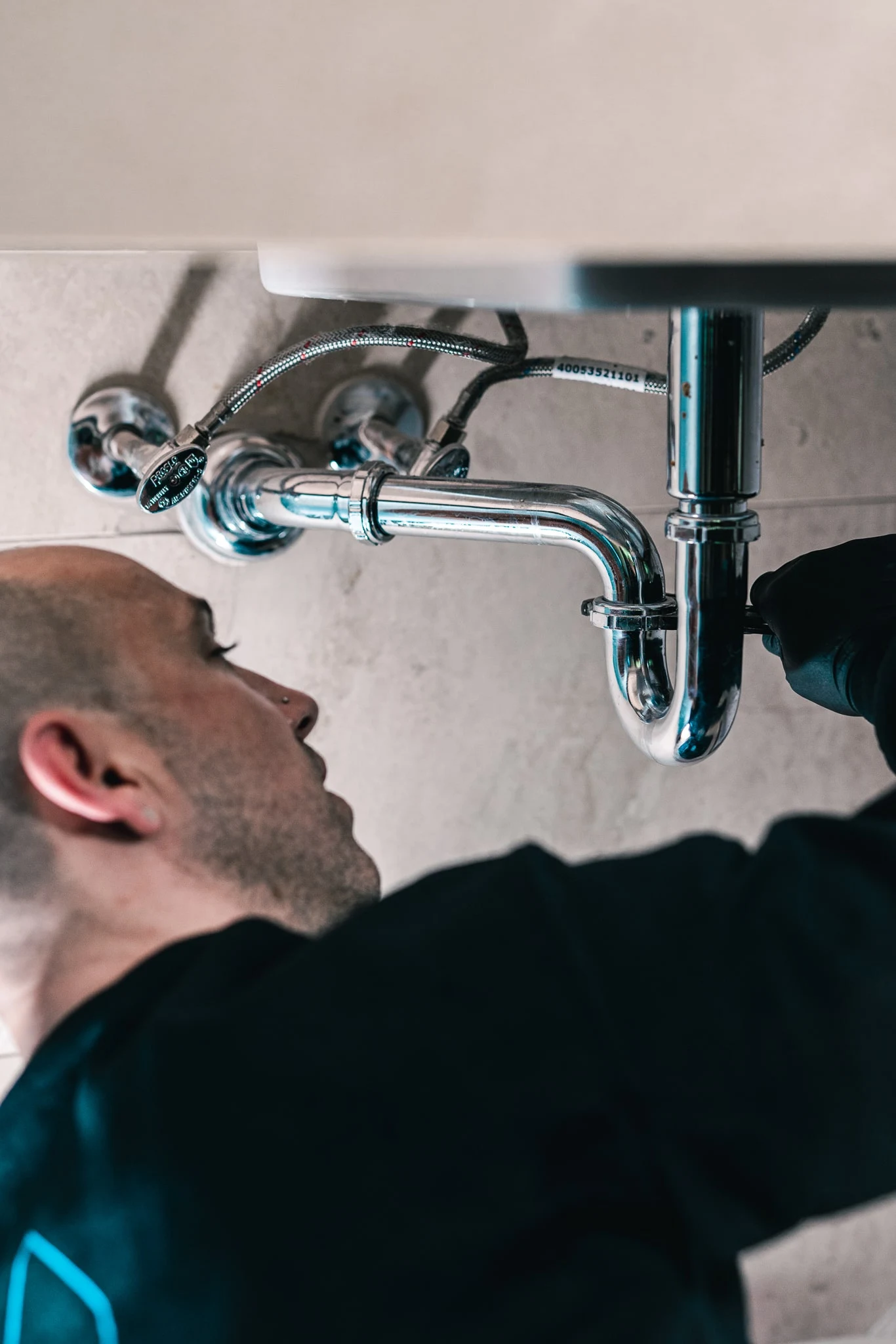
Step 2: Disconnect plumbing. The P-trap is removed from the drain arm, the basket strainer locknut is loosened from below, and the supply lines are disconnected from the faucet shanks. The old faucet is removed if it is being replaced.
Step 3: Remove the old sink. Silicone sealant or mounting clips are released and the old sink is lifted out of or down from the countertop opening. The countertop cutout is cleaned and any old sealant is removed to provide a clean surface for the new sink.
Step 4: Prepare a new sink. The faucet, basket strainer, and any accessories are installed on the new sink before it is set into the counter, as this is easiest when the sink is accessible from above on a flat surface.
Step 5: Set and seal new sink. The new sink is positioned in the cutout, sealed with silicone around the rim or adhesive for an undermount installation, and secured with mounting hardware. The plumber confirms the sink is level before the adhesive or sealant sets.
Step 6: Reconnect plumbing. The supply lines, P-trap, and drain arm connections are made. A faucet installation connects the supply lines to the valve bodies and the sprayer hose if applicable.
Step 7: Test. Supply is restored, all connections are checked for leaks under full pressure, and the drain is tested with water flow to confirm the P-trap is sealed and the drain arm is draining freely.
The primary factors affecting kitchen sink installation cost in the GTA are the scope of the plumbing work involved, whether supply valves need replacement, whether the drain arm configuration needs modification, and whether the new sink matches the existing countertop cutout. A straightforward drop-in replacement in a modern kitchen with accessible and functional supply valves is a standard-scope plumbing call.
Cost increases when: supply shutoff valves are seized and must be replaced; the drain arm slope is insufficient and needs rerouting to meet the minimum slope required by the Ontario Building Code; the sink is being moved to a new location; or a new supply or drain rough-in is required. Galaxy Plumbing Inc. assesses the existing configuration before beginning any kitchen sink installation work and provides upfront pricing.
Ontario homeowners can legally perform plumbing work on their own principal residence without a licence, subject to permit requirements that vary by municipality. However, for work that involves moving the drain rough-in or supply line rough-in, a permit is typically required and an inspection by a licensed plumber or inspector may be needed. Errors in drain slope, trap configuration, or supply line materials can cause ongoing problems including slow drainage, P-trap failures, and supply line leaks.
For homeowners replacing a kitchen sink in the same location with the same configuration, the main risk is a supply line or P-trap leak after installation. A licensed plumber from Galaxy Plumbing Inc. eliminates this risk and ensures the installation meets code. If the home also needs drain cleaning at the same time, the team covers both in a single visit.
Older GTA homes built before the 1980s often have galvanized drain arms and supply risers that are corroded at the connections. When a kitchen sink replacement reveals corroded drain arms or seized supply valves, these components need replacement rather than reconnection. Forcing a corroded fitting can cause a supply leak that goes undetected inside the cabinet for weeks. A licensed plumber inspects all exposed connections as part of the installation and flags any corrosion before it causes a leak.
In homes with galvanized or lead supply risers, a kitchen sink replacement is an opportunity to update the riser connections to modern copper or cross-linked polyethylene (PEX) supply lines. Health Canada's guidelines on lead in drinking water confirm that there is no safe level of lead exposure, making lead supply riser replacement a health priority in eligible older GTA homes. Our guide on when to replace plumbing pipes outlines the warning signs that aging supply and drain materials have passed their useful service life. Galaxy Plumbing Inc. also assesses the supply system condition for Mississauga and GTA homes during kitchen sink installation and provides options when the existing supply hardware is no longer reliable.
A like-for-like kitchen sink replacement in a modern home with accessible, functioning supply valves and a matching countertop cutout is typically completed in two to three hours. The timeline extends when supply valves need replacement, when the faucet is also being replaced, or when the drain arm configuration requires adjustment. A renovation-grade installation with new drain and supply rough-in is a full-day or multi-day job. Galaxy Plumbing Inc. provides a time estimate upfront and handles vanity and sink installation alongside kitchen sink work when both are part of the same project.
A like-for-like kitchen sink replacement in the same location, without moving the drain or supply connections, typically does not require a permit in Mississauga or most GTA municipalities. Moving the sink to a new location or running new drain rough-in requires a permit and a licensed plumber in most jurisdictions. Galaxy Plumbing Inc. confirms permit requirements for your specific municipality before beginning any installation that may require one. For specific questions about the Ontario Building Code requirements, the team can advise during the initial assessment.
Replacing a kitchen sink with a different size is possible but requires a corresponding countertop modification. A smaller sink in the same cutout needs the gap filled or the countertop recut. A larger sink needs a larger cutout. Most plumbers do not perform countertop cutting as part of a sink installation. The countertop modification should be completed by a carpenter or counter fabricator before the plumber arrives to install the sink. Galaxy Plumbing Inc. handles the plumbing connections and recommends coordinating the counter work before scheduling the installation. For faucet installation alongside the sink, both are scheduled in the same visit.
Supply valves that are seized shut or that drip when closed are common in GTA homes that have not had plumbing work done in many years. When a kitchen sink replacement reveals non-functioning valves, they must be replaced before the new sink is connected. Galaxy Plumbing Inc. carries standard 3/8-inch compression shutoff valves on the service vehicle for exactly this scenario. The main supply is turned off, the old valve is replaced, and the installation proceeds. This is one of the most common unexpected items encountered during kitchen sink replacement across Mississauga and the GTA.
Combining kitchen sink installation with drain clearing is practical because the drain connections are already disconnected as part of removing the old sink. This is an efficient time to clear any accumulated grease in the drain arm or the branch line behind the wall. Galaxy Plumbing Inc. offers combined sink installation and drain cleaning in a single visit. This prevents the inconvenience of a slow or backed-up drain shortly after a new sink is installed, which is a common outcome when drain cleaning is deferred.
A kitchen sink replacement done right protects the cabinet, the countertop, and the drain line from leaks and drainage problems for years after installation. Galaxy Plumbing Inc. installs and replaces kitchen sinks across Mississauga, Toronto, Scarborough, Etobicoke, and Oakville with licensed plumbing connections, upfront pricing, and same-day service availability. Contact us to schedule a kitchen sink installation or replacement for your GTA home.