Industrial plumbing covers the installation, maintenance, and repair of plumbing systems in high-demand environments such as manufacturing facilities, food processing plants, warehouses, and distribution centers. Unlike commercial office or residential systems, industrial plumbing handles higher flow rates, greater pressure loads, and direct chemical exposure, making it a specialized field that requires a different level of technical depth and code knowledge.
Galaxy Plumbing Inc. applies the same TSSA-certified standards to industrial facilities that it brings to its full range of commercial plumbing and residential services. In Ontario, facilities handling process fluids, food production, or chemical manufacturing must maintain backflow prevention assemblies and complete annual testing as required by the Ontario Building Code and local municipal water authorities.
Industrial facilities contain multiple plumbing subsystems, each with its own maintenance requirements and failure risks. Understanding which systems are present and how they interact helps facility managers and operations directors prioritize service and budget for maintenance effectively.
The differences between plumbing system types are substantial and affect everything from pipe material selection to maintenance frequency, regulatory compliance, and the qualifications required of the service provider.
Backflow prevention stops contaminated water from flowing backward into the public drinking water system when pressure differentials occur. In industrial settings, back-siphonage or back-pressure events can push process chemicals, cleaning agents, or biological contaminants into the municipal supply if an approved device is not in place.
The Ontario Building Code requires industrial facilities to install certified backflow prevention assemblies and complete annual testing. Non-compliance can result in water service interruption and significant liability exposure.
Galaxy Plumbing Inc. provides backflow prevention testing, certification, and installation for industrial properties throughout the GTA. Our TSSA-certified technicians complete testing to the standards required by municipal backflow programs and issue the documentation needed to maintain compliance with your water authority.
Industrial plumbing systems require a structured maintenance approach that prioritizes the systems most likely to cause production disruption, regulatory non-compliance, or safety incidents if they fail. The following tasks represent the highest-priority maintenance items for most GTA industrial facilities.
Every industrial facility with a backflow prevention assembly must have it tested and certified annually by a qualified tester. Documentation is submitted to the municipal water authority and must be retained on file for audit purposes.
High-volume industrial drains accumulate sediment, grease, scale, and debris at rates that cause partial or complete blockages within weeks in active production environments. Scheduled drain clearing prevents blockages that halt operations.
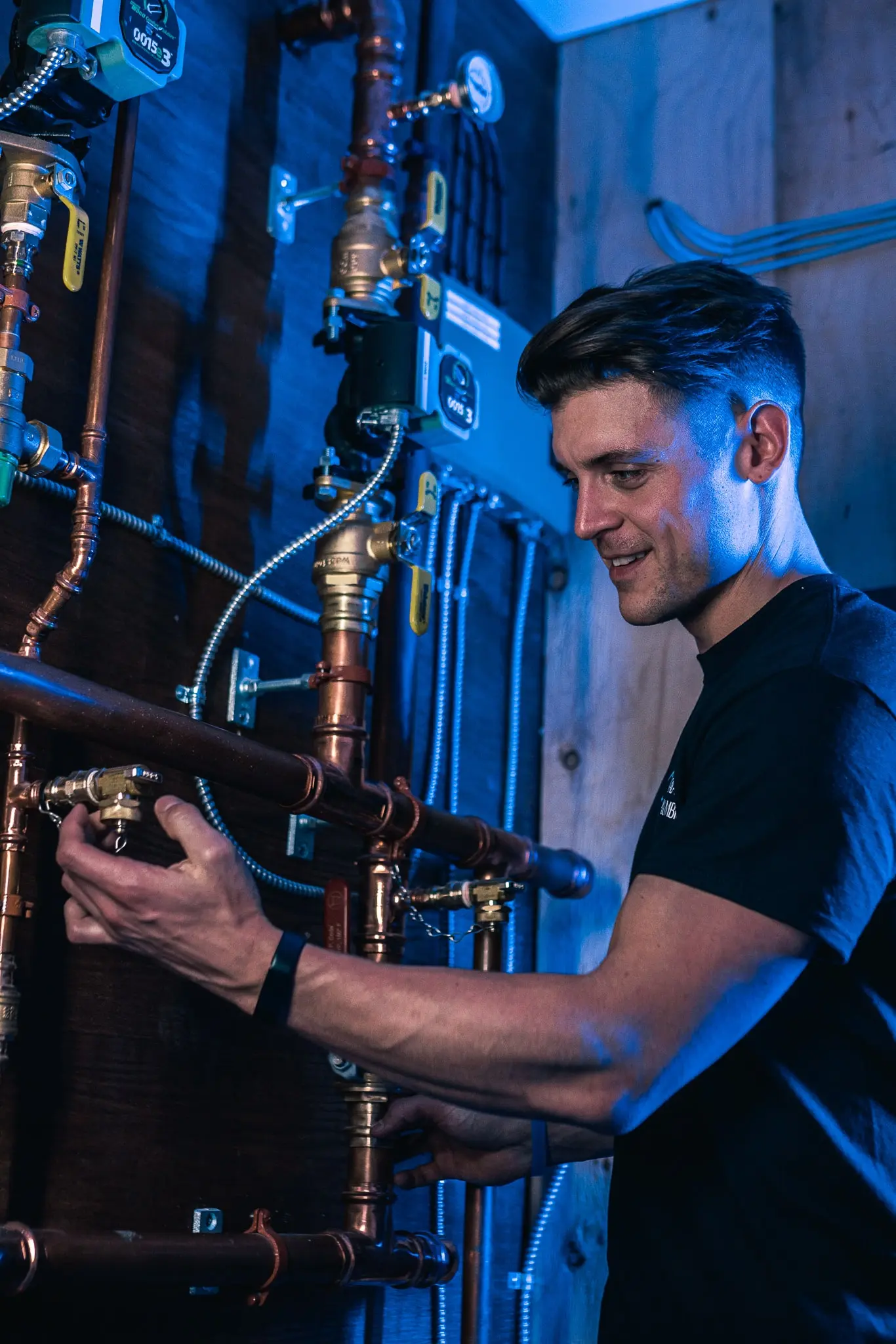
High-pressure supply lines, fittings, and isolation valves are checked for corrosion, joint fatigue, and pressure drop anomalies. Early identification of failing fittings prevents burst line events during production.
Below-grade ejector pumps and sump systems are tested under load to confirm they are operating within spec. Pump failure in an industrial setting can flood mechanical rooms, damage electrical systems, and create health and safety violations.
Where applicable, grease interceptors are pumped out and inspected for baffle condition, inlet and outlet integrity, and cover seal. Municipal bylaws in Mississauga, Toronto, and surrounding municipalities specify maximum grease levels permitted before pumping is required.
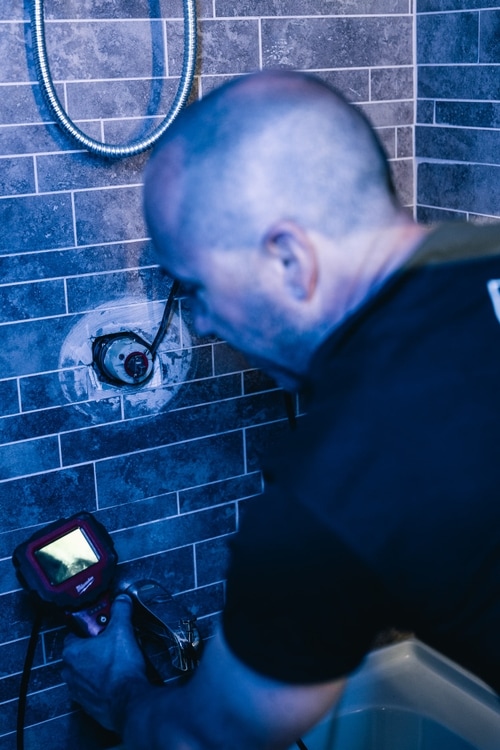
Drain camera inspection eliminates guesswork from the maintenance process by delivering direct visual confirmation of conditions inside the pipe without excavating or disrupting production floor slabs.
In industrial environments, camera inspection identifies root intrusion in older clay or cast iron drain lines, detects offset or collapsed joints in below-slab drainage, locates grease blockages in process drain networks, and confirms repairs were completed correctly before access points are sealed.
For facilities built before 1980, camera inspection is often the first step in developing a realistic asset condition assessment and long-term maintenance plan. Galaxy Plumbing Inc. pairs camera diagnostics with targeted drain snaking or hydro jetting to clear confirmed blockages immediately following the inspection, reducing the total number of service visits required.
Industrial facilities in the GTA face significant flood risk during Ontario’s spring thaw and summer storm periods, with below-grade mechanical rooms, loading dock pits, and basement process areas all vulnerable when sump systems fail or sewer surcharge events occur. A properly maintained sump pump system with battery backup is the first line of defense, and Galaxy Plumbing Inc. further assesses flood prevention needs by inspecting backwater valves, floor drain condition, and external drainage grading to identify the most likely entry points for water intrusion. For facilities storing inventory or operating electrical infrastructure below grade, flood consequences extend well beyond immediate water damage, and the Insurance Bureau of Canada notes that demonstrated maintenance records are increasingly required by commercial insurers as a condition of coverage for flood-related losses.
Galaxy Plumbing Inc. provides industrial plumbing services to facilities throughout Mississauga, Toronto, Oakville, Etobicoke, Scarborough, and the wider Greater Toronto Area. Our TSSA-certified technicians are experienced with the high-pressure, high-volume demands of industrial plumbing systems and are available for scheduled maintenance programs and emergency response. Contact our team through Galaxy Plumbing to discuss a service program built around your facility's schedule, systems, and compliance requirements.
Industrial facilities cannot wait for business hours when a plumbing failure threatens production or creates a safety hazard. Galaxy Plumbing Inc. provides emergency repairs to industrial clients across the GTA with after-hours availability, coordinating directly with the facility’s operations team to account for active equipment, hazardous material protocols, and access restrictions. Facilities with an existing maintenance relationship benefit from a documented system knowledge base covering pipe layout, isolation valve locations, and prior service history, reducing diagnostic time and accelerating resolution on arrival.
Industrial plumbing demands technical depth, code knowledge, and operational flexibility that not every licensed plumber can deliver. In Ontario, plumbers working on industrial systems must hold a valid licence through the Ontario College of Trades, which sets the certification standards required to perform plumbing work legally across the province. Galaxy Plumbing Inc. serves industrial clients across the GTA with capabilities ranging from scheduled backflow testing and drain maintenance to emergency response and infrastructure assessment, working around production schedules and providing facility managers with the records needed for compliance, insurance, and long-term capital planning.
Galaxy Plumbing Inc. provides industrial plumbing services across Mississauga, Toronto, Oakville, Etobicoke, Scarborough, and the wider Greater Toronto Area, with TSSA-certified technicians trained for the demands of high-volume industrial systems. Whether your facility needs a scheduled maintenance program, backflow testing and certification, emergency response, or a full infrastructure assessment, our team is equipped to deliver. Contact our industrial plumbing team today to discuss a service plan that fits your facility's operations, compliance requirements, and budget.
Industrial plumbing refers to the specialized plumbing systems installed in manufacturing plants, warehouses, food processing facilities, and other large-scale industrial operations, including process drains, high-pressure supply lines, backflow prevention assemblies, grease interceptors, and safety plumbing such as emergency eyewash stations. These systems operate at higher pressures and volumes than commercial plumbing and face stricter regulatory requirements under the Ontario Building Code and municipal bylaws. Galaxy Plumbing Inc. provides drain camera inspection and full-system diagnostics specifically calibrated for industrial facility infrastructure.
Annual backflow prevention testing is mandatory for all GTA industrial facilities with cross-connections between their process systems and the municipal water supply. The City of Mississauga, the City of Toronto, and other GTA municipalities require certified backflow devices and annual testing submissions as a condition of continued water service. Galaxy Plumbing Inc. completes certified backflow testing and submits the required documentation to the relevant water authority. Facilities can also discuss scheduled maintenance through our property management service program.
Industrial process drains and floor trench systems should be cleaned on a minimum quarterly schedule in active production environments, where grease, sediment, and debris accumulate rapidly enough to cause blockages within weeks. Higher-production facilities may require monthly drain service. Scheduled drain snaking and hydro jetting remove blockages before they halt operations, and camera inspection confirms pipe condition following any significant cleaning event.
When a plumbing failure occurs during active production, the immediate priority is to isolate the affected system at the nearest accessible shut-off valve and remove personnel from the affected area if there is any risk of flooding, chemical exposure, or electrical hazard. Galaxy Plumbing Inc. provides emergency repairs to industrial facilities across the GTA with after-hours availability and technicians dispatched to contain and resolve failures. Facilities with a documented maintenance history benefit from faster response because the technician arrives with system-specific context.
Flood prevention for industrial facilities involves maintaining sump pump systems with tested battery backup, keeping floor drains and process drainage clear of blockages, inspecting and servicing backwater valves before Ontario's spring and summer storm seasons, and assessing external drainage grading around the facility perimeter. Galaxy Plumbing Inc. provides flood prevention assessments for industrial properties, identifying the most likely water entry points and confirming that all protective systems are operating correctly before high-risk periods.
Galaxy Plumbing Inc. uses non-invasive water leak detection methods to locate active or hidden leaks in industrial water supply lines without requiring immediate excavation or production floor disruption. Electronic detection equipment identifies leak signals through walls, slabs, and underground piping, allowing the technician to pinpoint the failure location and plan the repair approach before any demolition or access work begins. Catching supply line leaks early in an industrial setting prevents the structural damage and production loss that accompanies an undetected failure over weeks or
months.