Smelly drains are most often caused by a buildup of organic material, a dry P-trap, or a blocked vent pipe. Many drain odours can be reduced with hot water, baking soda, and vinegar, but persistent or spreading smells usually point to a deeper blockage or plumbing issue that a licensed plumber should assess.
A smelly drain almost always has one of three underlying causes: an accumulation of organic matter inside the drain pipe, a P-trap that has dried out and is no longer blocking sewer gases, or a blocked or compromised vent pipe that is allowing gases to back up through the drain. Identifying which cause applies to your drain determines the right fix.
Organic buildup is the most common culprit in kitchen and bathroom drains. Over time, soap residue, grease, food particles, hair, and other debris coat the inside of the pipe and begin to decompose, producing hydrogen sulfide gas, which smells like rotten eggs. Hydrogen sulfide is the most dangerous component of sewer gas at low concentrations it is a nuisance, but its critical danger is that it paralyzes the olfactory nerve above approximately 100 ppm, meaning the smell disappears just as the gas becomes most hazardous. Health Canada and building safety authorities treat persistent sewer gas intrusion as a serious indoor air quality concern. This type of smell is usually strongest when water runs through the drain and stirs up the buildup.
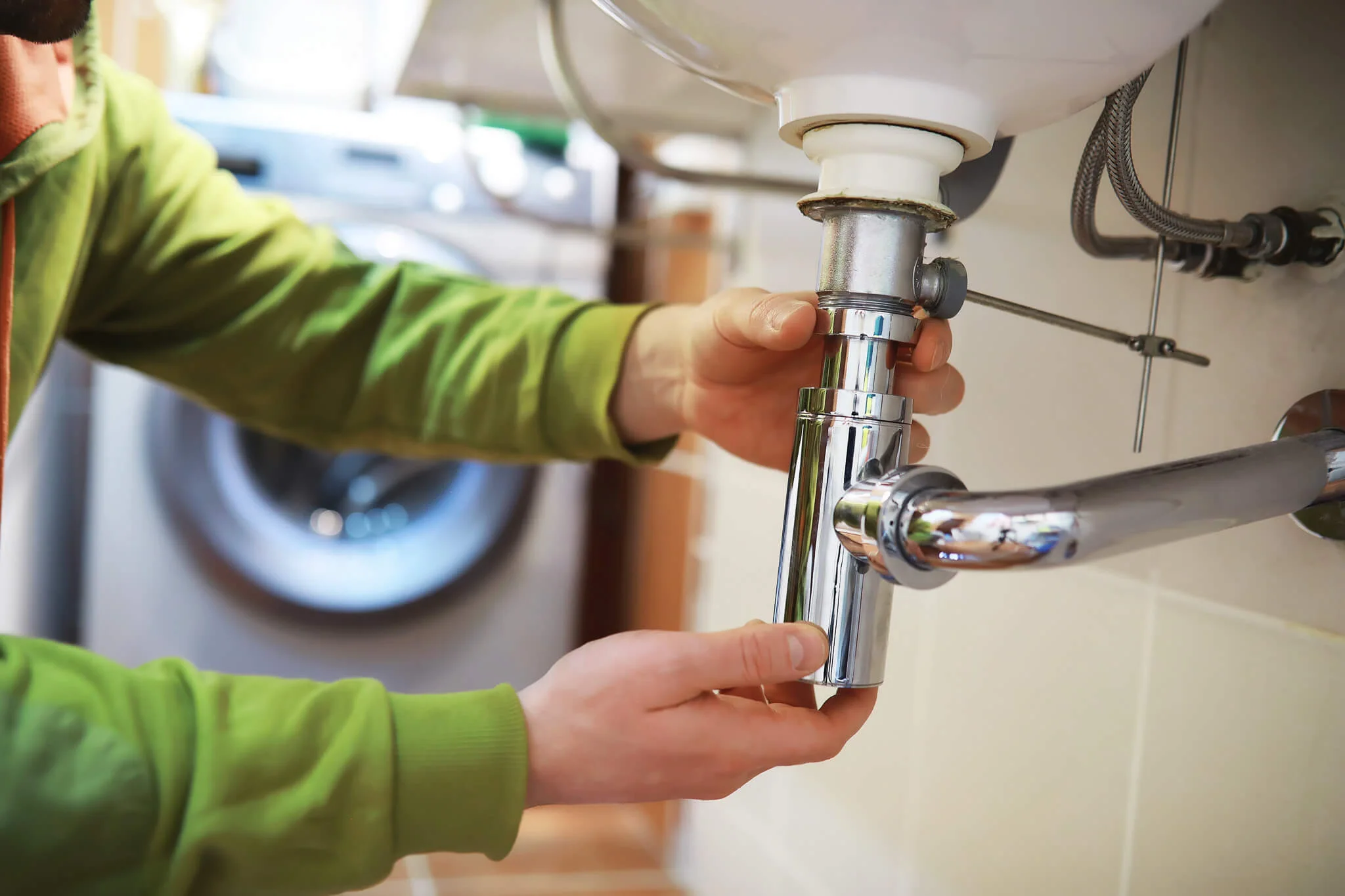
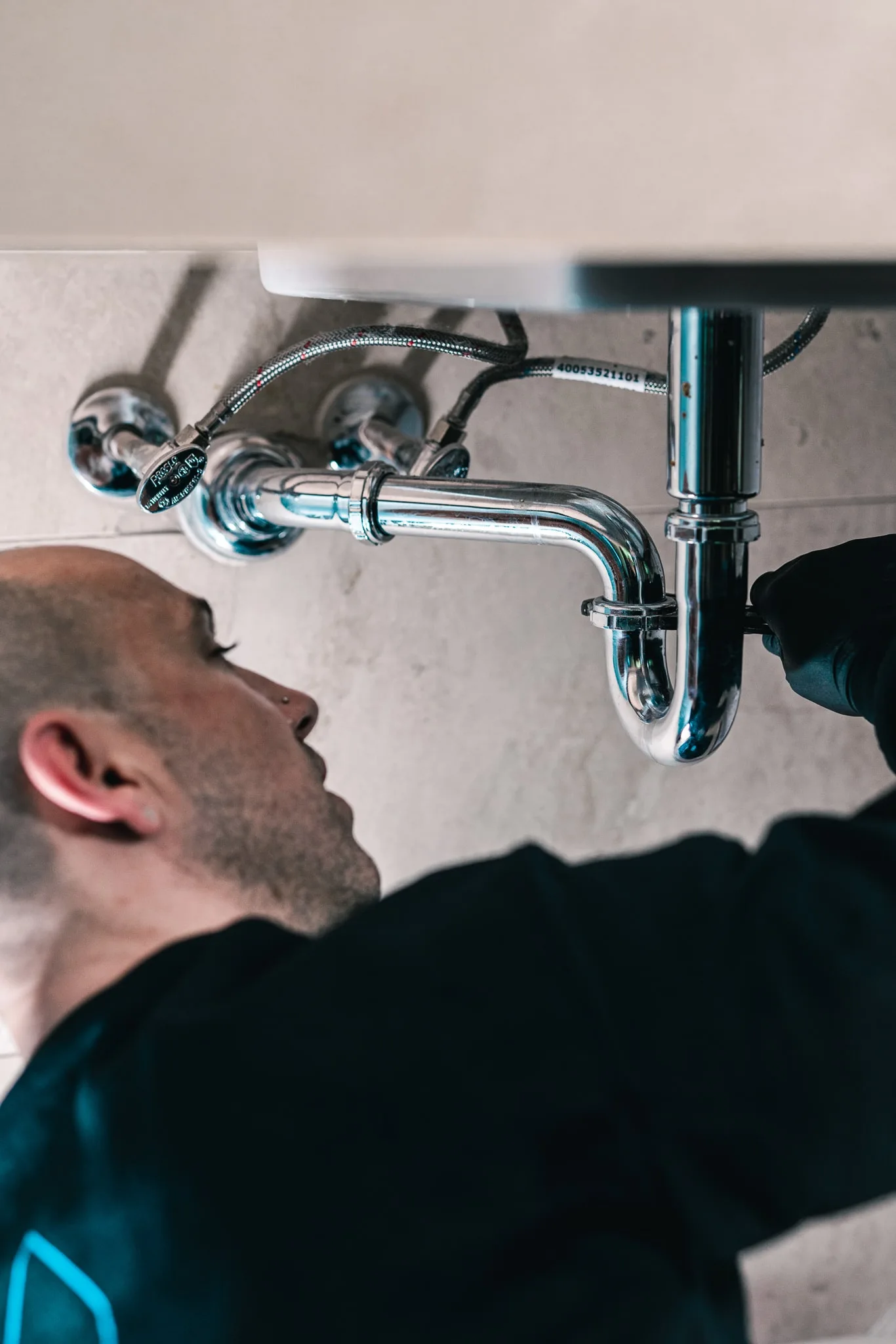
A P-trap is the curved section of pipe located directly beneath a sink, shower, or floor drain. It holds a small amount of standing water that acts as a seal against sewer gases entering your home through the drain opening. When a drain goes unused for an extended period, the water in the P-trap evaporates, breaking the seal and allowing sewer gases to rise up through the drain.
A dry P-trap is very common in guest bathrooms, utility sinks, and floor drains that are rarely used. The fix is simple: run cold water down the drain for 30 to 60 seconds to refill the trap. If the drain continues to smell even after refilling, the issue is likely organic buildup or a venting problem rather than a dry trap.
For drains with mild to moderate odour caused by organic buildup, a hot water flush combined with baking soda and vinegar can help break down and loosen the material coating the pipe walls. This method is safe for pipes since, unlike chemical drain cleaners, baking soda and vinegar will not corrode metal or PVC pipes, making it a practical option for regular drain maintenance. It is most effective as a monthly maintenance flush rather than a fix for established blockages deeper in the line.
Follow these steps:
Repeat this process monthly as a maintenance habit to reduce buildup before it becomes a persistent problem. Avoid using commercial chemical drain cleaners regularly, as they can degrade PVC pipe over time and may not address the root cause of the odour.
A persistent drain smell that returns shortly after cleaning, or that spreads to multiple drains in the home at the same time, usually indicates a problem beyond surface buildup. The most common deeper causes are a partial blockage deeper in the drain line, a compromised or blocked vent pipe, a cracked or deteriorating P-trap, or a sewage backup beginning to develop in the main line.
A rotten egg smell that is present throughout the home, or that is stronger in rooms away from the kitchen and bathrooms, may indicate a sewer gas issue originating from the main drain line rather than a single fixture. This is a situation that requires professional assessment. Galaxy Plumbing Inc. offers drain cleaning and hydro jetting services across the GTA and can identify whether the source of the odour is a surface buildup or something deeper in the system.
A blocked drain and a smelly drain are not the same thing, though they often occur together. A blocked drain restricts or prevents water flow, while a smelly drain may drain perfectly well but still produce odour from decomposing organic matter attached to the pipe walls. However, a partial blockage that slows drainage without fully stopping it is a common cause of drain odour, because the reduced flow allows debris to accumulate rather than being flushed through.
Every drain in your home connects to a vent pipe that runs through the roof. The vent pipe allows air into the drain system so water can flow freely, and it allows sewer gases to exit the home safely above the roofline. When a vent pipe becomes blocked by debris, ice (common during Ontario winters), or a bird's nest, the gases that would normally escape through the roof instead push back down through the nearest drain opening.
A blocked vent pipe also causes a gurgling sound when drains empty and may create slow drainage across multiple fixtures. Clearing a blocked vent pipe requires access to the roof and is not a safe DIY task. A licensed plumber can inspect the vent system using a drain camera to confirm whether a blockage is present and where it is located.
Preventing drain odours is easier than eliminating them once they develop. The following habits reduce organic buildup and keep the drain system running cleanly.
Contact a licensed plumber when household cleaning methods do not resolve the odour within a few days, when the smell returns consistently within a week of cleaning, when multiple drains in the home smell at the same time, or when the smell is accompanied by slow drainage, gurgling sounds, or any sewage backing up into a fixture.
Galaxy Plumbing Inc. serves homeowners across Mississauga and Toronto with professional drain cleaning, hydro jetting, and drain camera inspection services. The team diagnoses the root cause of the odour and resolves it in a single visit wherever possible. Contact our team or reach Galaxy Plumbing online to book a drain assessment.
A smelly drain is more than an inconvenience. It can be an early signal of a growing blockage or a sewer gas issue that becomes a larger problem if left unaddressed. Most surface-level odours respond well to regular maintenance, but persistent or spreading smells require a professional diagnosis to determine what is happening deeper in the drain system.
Galaxy Plumbing Inc. is a licensed plumbing and HVAC company serving the GTA with a thorough diagnostic approach, upfront pricing, and 24/7 emergency availability. The team handles drain snaking, hydro jetting, and camera inspection in a single visit wherever the scope allows. Book a drain cleaning or inspection today.
A rotten egg smell from a drain is caused by hydrogen sulfide gas, which is produced when organic matter decomposes inside the drain pipe. It can also indicate that the P-trap beneath the drain has dried out, allowing sewer gases to enter the home. If the smell is present at multiple drains or throughout the house, it may point to a vent pipe blockage or a sewer line issue. Our guide on common plumbing problems in bathrooms covers the most frequent causes of drain odour and when to call a plumber.
Yes. Baking soda and vinegar are safe to use in drains made of PVC, ABS, and copper. The fizzing reaction helps loosen light organic buildup without damaging pipe walls. This method is less effective for deep blockages or hardened grease buildup, where professional drain snaking or hydro jetting provides a more thorough result.
Higher temperatures accelerate the decomposition of organic material inside drain pipes, which produces more gas and intensifies the odour. Grease and food debris that accumulate over months decompose faster when the ambient temperature rises. Increasing the frequency of your hot water and baking soda flush routine during warmer months helps manage this. For persistent odours that return after cleaning, our guide on when professional drain snaking is necessary outlines the signs that surface maintenance is no longer enough.
Sewer gases, including hydrogen sulfide, can cause headaches, nausea, and dizziness at high concentrations. In a typical residential setting, drain odours are more of an irritant than a serious health risk, but persistent sewer gas entering the home through a failed P-trap or cracked drain line should be treated as a plumbing issue that needs professional attention. Our plumbing emergency guide outlines when a drain or sewer issue crosses the threshold from a maintenance call to an emergency.
Licensed plumbers use drain snaking to break up and remove blockages that trap organic debris, and hydro jetting to flush the pipe walls clean with high-pressure water. To understand which method suits your situation, our comparison of hydro jetting vs drain snaking explains the difference in approach, cost, and result. A drain camera inspection is used when the source of the odour is not immediately clear, allowing the plumber to see exactly what is inside the pipe and where the buildup or damage is located.
Yes. Galaxy Plumbing Inc. provides drain cleaning and hydro jetting services for residential and commercial clients across Mississauga, Toronto, Oakville, Vaughan, and the broader GTA. Contact our team to schedule a drain cleaning or inspection appointment.