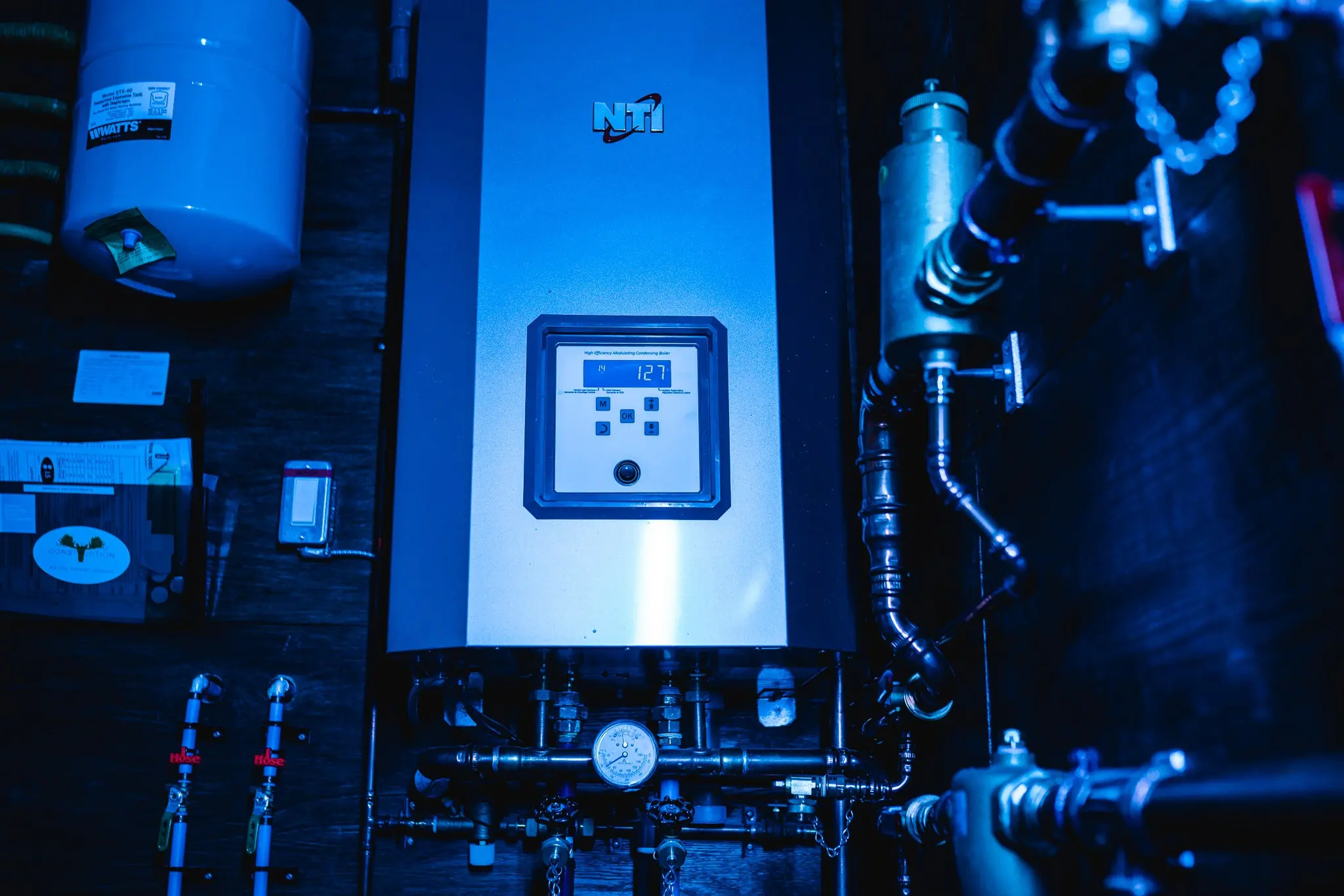
A gas furnace burns natural gas to produce heat. The combustion occurs in a sealed heat exchanger, and a blower motor pushes air across the exchanger and through the duct system into the living areas of the home. In Ontario, most residential furnaces are high-efficiency condensing units with AFUE ratings between 96 and 99 percent, meaning 96 to 99 cents of every dollar spent on gas is converted to usable heat.
A heat pump does not generate heat by combustion. Instead, it moves heat energy from one place to another using a refrigerant circuit. In heating mode, it extracts heat energy from outdoor air and transfers it into the home. In cooling mode, the process reverses. A single heat pump system handles both heating and air conditioning, which is a meaningful distinction for Ontario homeowners who currently maintain separate systems for each function or no air conditioning at all.
The most common concern about heat pumps in Ontario is performance in extreme cold. Modern cold-climate heat pumps are rated to maintain full heating capacity at temperatures as low as minus 25 or minus 30 Celsius. These are meaningfully different products from the heat pump technology of 10 years ago. Several manufacturers specifically rate their cold-climate models for Ontario winter conditions, and these units are now the standard recommendation for GTA residential installations.
For homes in areas that experience sustained periods below minus 20, a dual-fuel configuration pairing a heat pump with a backup gas furnace is a conservative and effective approach. The heat pump handles the majority of the heating load throughout the season, and the furnace activates only during the coldest periods.
Gas furnaces are generally less expensive to purchase and install than heat pumps. A mid-to-high efficiency gas furnace installation in the GTA typically runs $3,000 to $7,500 all in. A cold-climate heat pump installation, which also replaces the air conditioning system, runs $5,000 to $14,000 depending on the unit, the home's existing infrastructure, and whether backup heating is included.
Federal rebates under the Canada Greener Homes initiative have historically offered up to $5,000 to $6,500 for qualifying heat pump installations, which significantly narrows the gap. Rebate availability changes, so verifying current program terms before purchasing is important.
Modern cold-climate heat pumps operate at a coefficient of performance between 2.0 and 4.0 in typical Ontario conditions, meaning they deliver two to four times more heat energy than the electrical energy they consume. Whether that is more or less expensive than gas heating depends on current utility rates at the time of comparison.
For a detailed operating cost estimate specific to your home and current utility rates, consult with Galaxy Plumbing's HVAC team. We can model both options using your home's heating load and current tariff data.
Heat pumps produce no direct combustion emissions at the home. In Ontario, the provincial electrical grid has a relatively low carbon intensity compared to many North American jurisdictions, with a mix of nuclear, hydroelectric, and renewable generation. This makes electric heat pumps a lower-emission option on a lifecycle basis for most Ontario homes compared to gas combustion.
A dual-fuel system pairs an electric heat pump with a gas furnace as a backup. The heat pump handles heating down to a defined outdoor temperature, typically minus 10 to minus 15, at which point the gas furnace takes over. This configuration captures the efficiency advantage of the heat pump for the majority of the Ontario heating season while maintaining gas backup for the coldest days.
Dual-fuel systems are increasingly popular in the GTA for homeowners who want energy efficiency benefits without accepting cold-weather performance risk. Galaxy Plumbing installs and services both heat pumps and gas furnaces, and can design a dual-fuel configuration tailored to your home.
Modern cold-climate heat pumps are rated to operate effectively at temperatures as low as minus 25 to minus 30 Celsius. These units perform significantly better than older heat pump technology and are designed for Canadian climate conditions. For the GTA, a cold-climate rated unit paired with a backup heat source provides reliable year-round performance.
The answer depends on current electricity and natural gas rates. Heat pumps deliver two to four units of heat per unit of electricity consumed, which improves their economic competitiveness against gas. The comparison should be modeled using current utility rates for your specific home rather than general rules of thumb.
A dual-fuel system combines an electric heat pump with a gas furnace. The heat pump provides heating for the majority of the season, and the gas furnace activates automatically when outdoor temperatures drop below a set threshold. This configuration captures the efficiency benefits of the heat pump while retaining the reliable heating capacity of gas during extreme cold.
Federal rebates through programs such as the Canada Greener Homes initiative have offered up to $5,000 to $6,500 for qualifying cold-climate heat pump installations. Rebate availability and amounts change regularly. Confirm current program terms and eligibility requirements with your HVAC provider before selecting equipment.
Yes. Galaxy Plumbing installs, services, and repairs both gas furnaces and heat pumps, including cold-climate models suited to Ontario winters and dual-fuel configurations. Our TSSA certified technicians can assess your home, model the operating cost comparison, and recommend the configuration that best fits your heating load, budget, and long-term goals.
Choosing between a heat pump and a gas furnace is a decision that warrants a conversation with a licensed technician who can assess your specific home. Galaxy Plumbing serves Mississauga, Toronto, Oakville, Vaughan, and Richmond Hill with TSSA certified HVAC installations and honest advice. Contact our team to schedule a home assessment.