Clean water for a home means water that is safe to drink, free from harmful contaminants, and suitable for all household uses without causing damage to pipes, fixtures, or appliances. In the GTA, municipal water meets federal and provincial safety standards at the treatment plant. The challenge for homeowners is that water quality can change as it travels from the treatment plant through the distribution network and into the home through its own supply system.
Water quality concerns in GTA homes typically fall into one of three categories: safety concerns such as lead from aging service lines, aesthetic concerns such as chlorine taste and odour, and water condition concerns such as hardness causing scale and soap scum. Each requires a different treatment approach, and many homes benefit from addressing more than one category simultaneously.
GTA municipal water originates from Lake Ontario and is treated by either the Region of Peel's water treatment facilities for Mississauga and Brampton residents, or Toronto Water facilities for Toronto residents. Treatment includes filtration, disinfection with chlorine or chloramines, and pH adjustment. The treated water meets all drinking water standards set under the Health Canada Guidelines for Canadian Drinking Water Quality and the Ontario Drinking Water Quality Standards.
Despite meeting these standards, GTA tap water commonly contains residual chlorine used for disinfection, dissolved minerals including calcium and magnesium that create hardness, and in older homes, lead that enters the water from legacy service lines between the municipal main and the home. The Region of Peel Water Services publishes annual water quality reports that show treatment performance and what is present in the distribution supply at the plant. What enters a home through its own plumbing may differ from these results.
Whether a GTA home needs additional water treatment depends on the age of the home, the condition of the service line, and the homeowner's priorities. Homes built before 1955 are the highest priority group because many have lead service lines connecting the home to the municipal main. According to Health Canada, there is no safe level of lead exposure, and even partial lead service lines can elevate tap water lead concentrations above the federal guideline.
Homes with no lead service line concerns but with hard water that produces visible scale on fixtures benefit from a softener. Homes where the municipal chlorine taste is objectionable benefit from a carbon filter at the point of use or on the whole house supply. The right starting point for any GTA homeowner concerned about water quality is a licensed plumber assessment of the supply line condition combined with a water test for the specific contaminants of concern.
Activated carbon filtration is the most widely used point-of-use treatment for GTA homes. Carbon filters remove chlorine, chloramines, and the associated taste and odour compounds from water passing through the filter media. They are available as under-sink units for drinking water at a single tap, or as whole house carbon filter systems installed on the main supply line. Carbon does not remove hardness or lead.
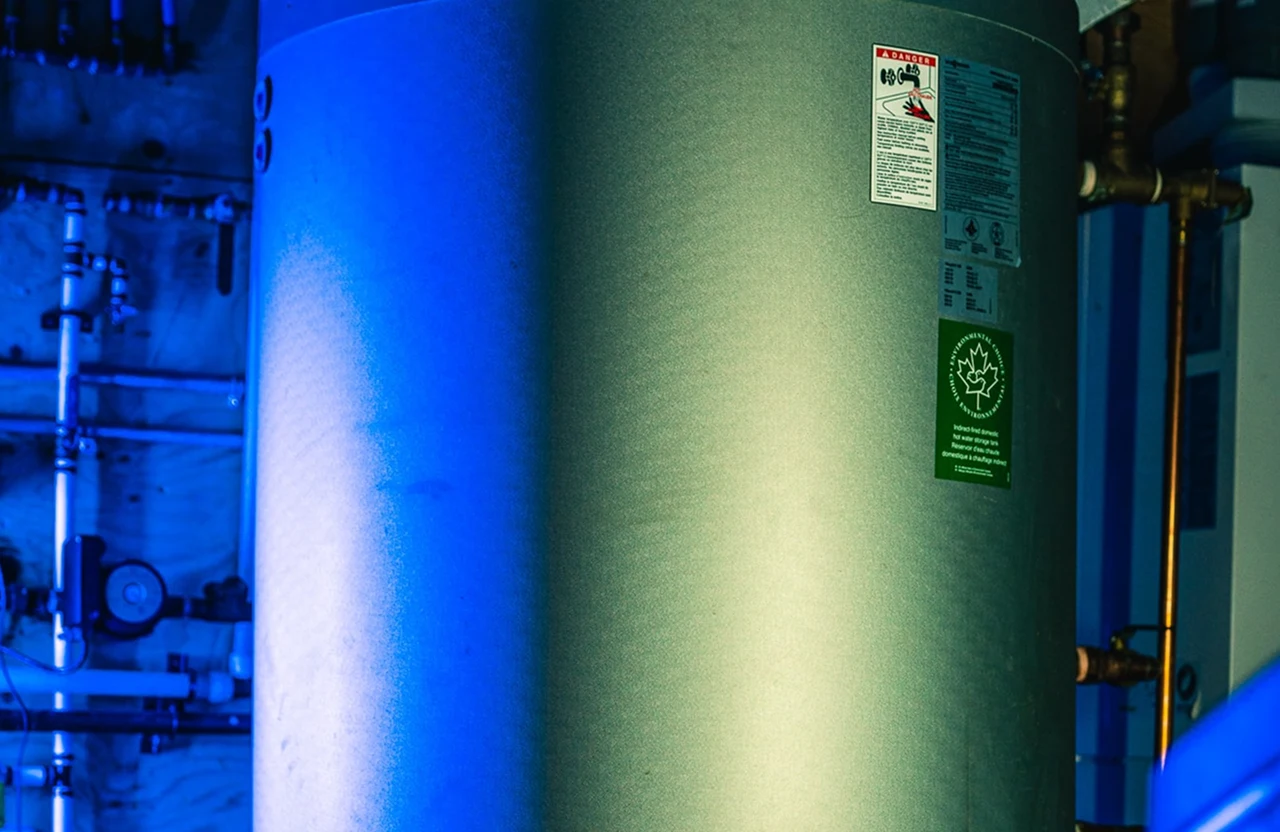
Whole house water softeners use ion exchange to remove calcium and magnesium hardness before it reaches any fixture in the home. A softener prevents limescale inside supply lines, extends fixture life, and improves bathing and laundry outcomes. It does not filter contaminants or improve safety. Many GTA homeowners install a water filtration system for taste and safety alongside a softener for hardness in the same supply line configuration.
Reverse osmosis (RO) systems produce the highest quality drinking water by forcing water through a semi-permeable membrane that removes dissolved minerals, lead, nitrates, and most contaminants. Most GTA residential RO installations are under-sink point-of-use units for drinking water, not whole house installations. RO produces a high-quality output but also generates reject water and has a lower flow rate than a standard tap.
The supply line is the pipe that connects the municipal water main at the street to the main shutoff inside the home. In Mississauga and Toronto homes built before 1955, this pipe may be made of lead. When water sits in a lead pipe, lead dissolves into the water, and flushing the tap before drinking reduces but does not eliminate this exposure. The Canadian Water and Wastewater Association recommends lead service line replacement as the permanent solution, as filters require ongoing maintenance and may not catch all exposure events.
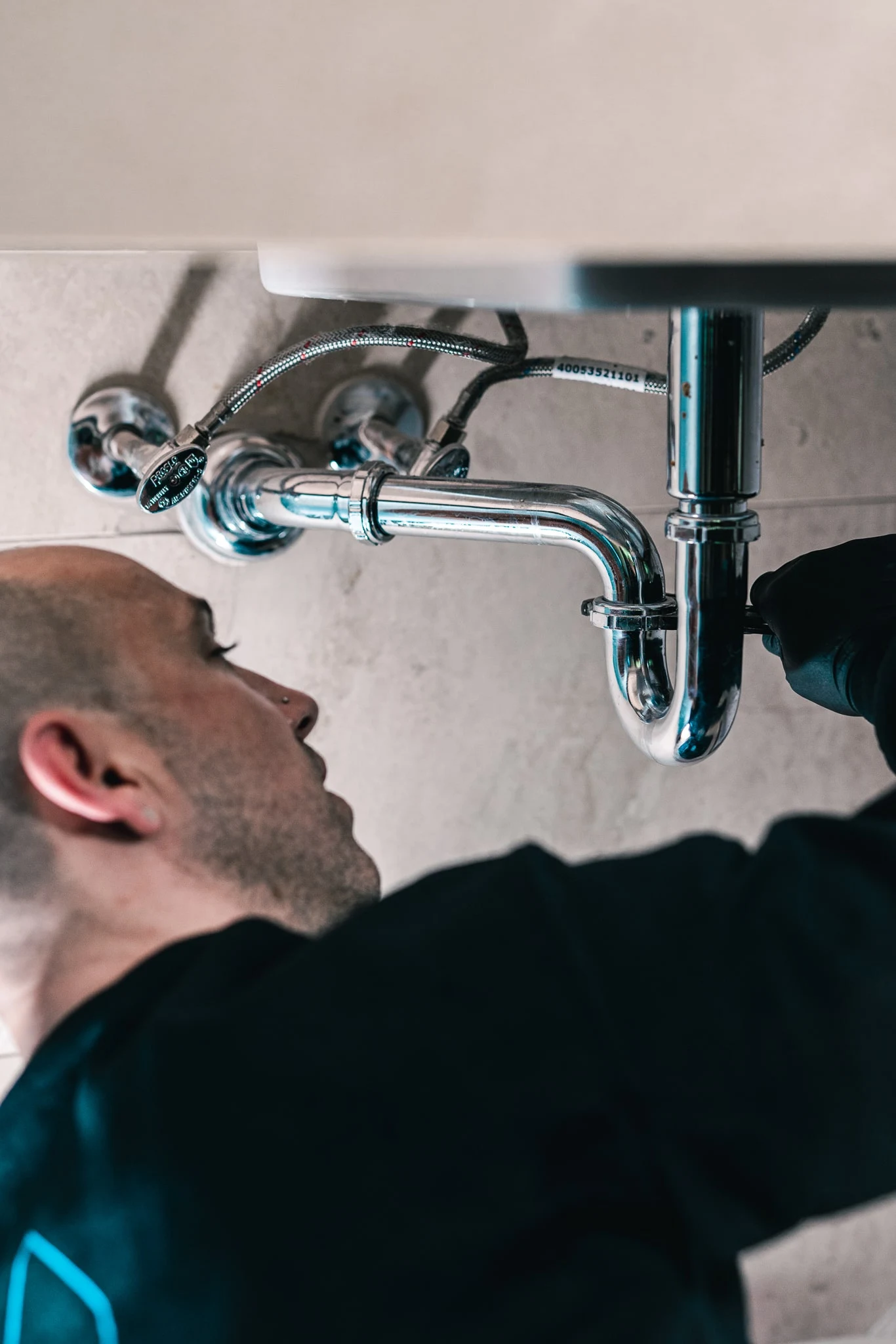
Galvanized supply lines, common in GTA homes built from the 1930s through the 1970s, corrode from the inside over decades. This corrosion produces iron and manganese in the water supply, contributing to rust-coloured water, metallic taste, and sediment at the tap. A Galaxy Plumbing Inc. assessment of the existing supply line condition determines whether water leak detection or full supply line replacement is the appropriate response.
Galaxy Plumbing Inc. approaches home water quality from the supply side: assessing the condition of the service line and supply system inside the home, identifying concerns with the existing pipe material, and installing the appropriate treatment or replacement solution. The team installs whole house water filtration systems, connects softener systems to the main supply line, and replaces aging galvanized or lead supply lines with modern copper or PEX.
For homeowners in Mississauga and the GTA who want a comprehensive approach to home water quality, a single service visit from Galaxy Plumbing Inc. can include a supply line inspection, a filtration system installation, and an assessment of the fixture condition at points of use throughout the home.
Mississauga and GTA tap water meets all Health Canada drinking water standards at the treatment plant. However, homes built before 1955 may have lead service lines that introduce lead into the tap water, and homes with galvanized supply lines may have iron or manganese from corrosion. Running the tap for two minutes before drinking reduces lead exposure from service lines. A targeted water filtration system provides continuous protection for homes with lead service line concerns.
Chlorine taste and odour in GTA tap water comes from the residual disinfectant used in municipal treatment. This is a normal and expected component of treated municipal water. The concentration at the tap varies by distance from the treatment plant and seasonal water temperature. A carbon block or granular activated carbon filter at the kitchen tap or on the whole house supply removes this residual effectively. Contact Galaxy Plumbing to discuss which filter configuration fits your home and usage pattern.
Homes in Mississauga and Toronto built before 1955 are most likely to have lead service lines. To check, locate the supply pipe where it enters the home near the main shutoff valve. Lead pipes are dull grey, feel soft, and produce a silver scratch mark when scraped with a coin or key. Copper pipes are orange-brown, and galvanized steel pipes are silver-grey and harder. If you cannot confirm the pipe material, contact Mississauga-based Galaxy Plumbing Inc. for a supply line assessment.
Hard water does not pose a direct health risk. Calcium and magnesium in drinking water are not harmful at the concentrations found in GTA municipal water, and Health Canada does not set a drinking water standard for hardness. The impacts of hard water are plumbing-related: scale buildup inside supply lines and fixtures, shortened fixture life, reduced appliance performance, and soap scum. A whole house softener addresses these effects without altering the safety profile of the water. For full water quality assessment, supply line condition is always evaluated alongside water quality decisions.
For homes with confirmed or suspected lead service lines, lead service line replacement or a certified lead-reduction filter is the highest priority. For homes without lead concerns, a whole house carbon filter addresses the most common GTA water quality concern, which is chlorine taste and odour. Hardness treatment with a softener is the next most impactful upgrade for fixture protection and daily water quality. Galaxy Plumbing Inc. also provides water leak detection to confirm no ongoing supply system issues before investing in treatment equipment.
Achieving clean water throughout your GTA home starts with understanding what is in your supply and what your pipes are made of. Galaxy Plumbing Inc. assesses supply line condition, installs filtration and treatment systems, and replaces aging supply lines across Mississauga, Toronto, Scarborough, Etobicoke, and Oakville with upfront pricing and licensed plumbing work. Contact us to schedule a home water quality assessment and start the process toward cleaner water at every tap.