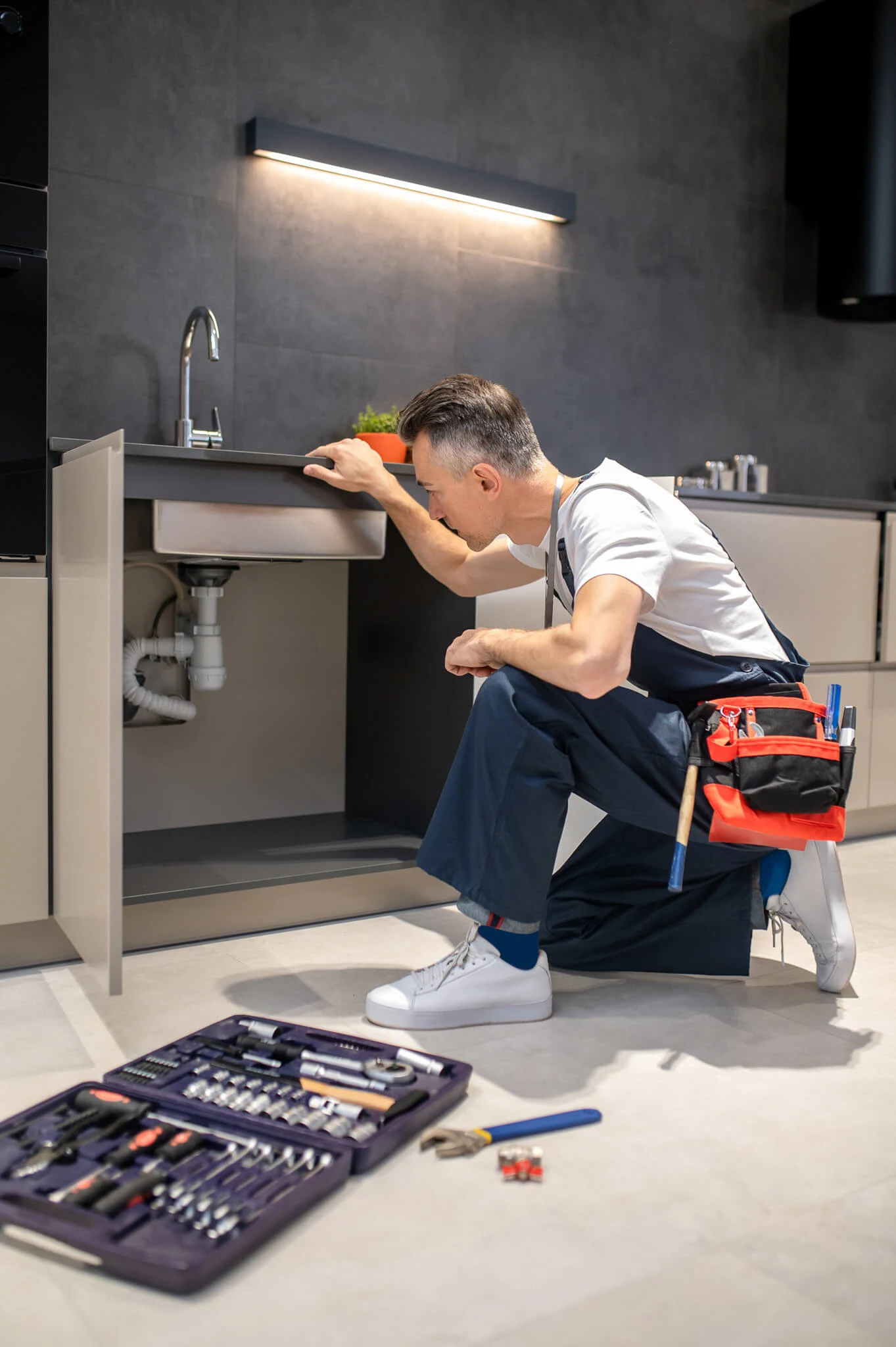
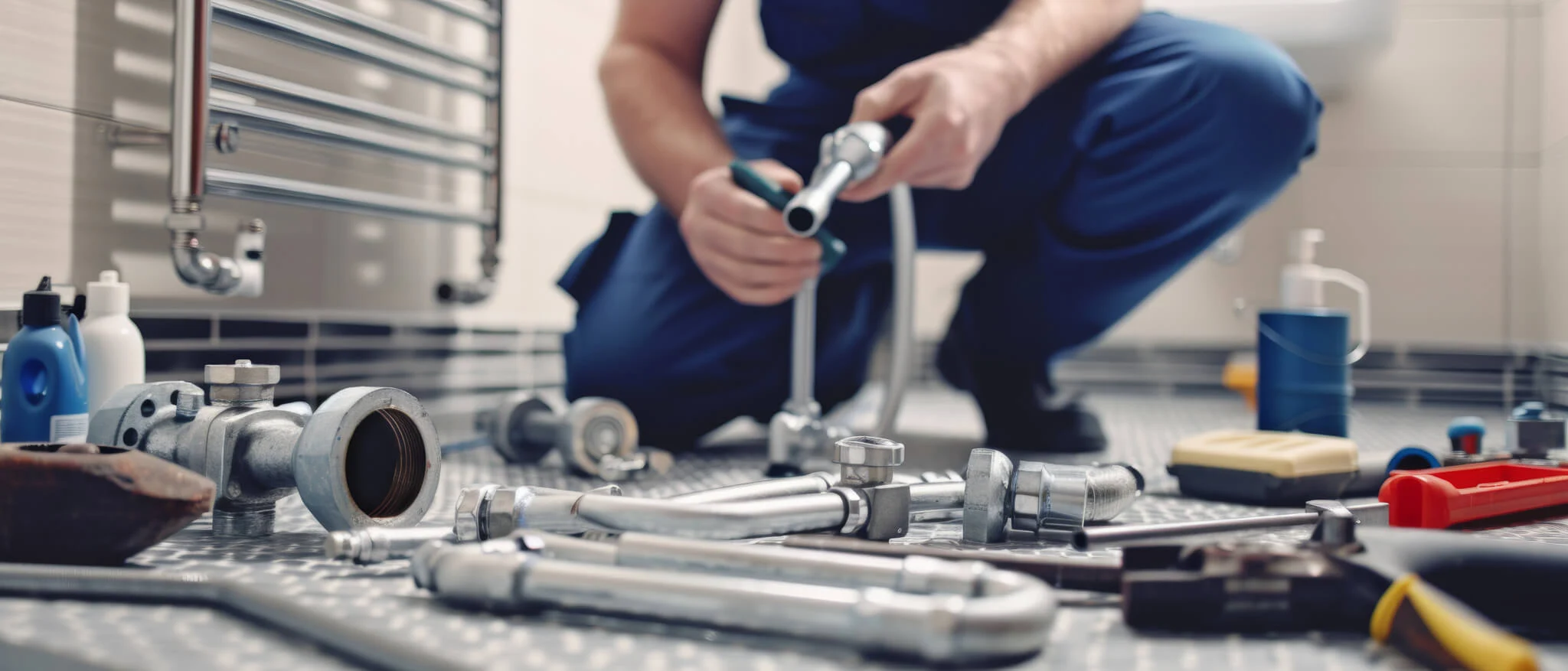
Plumbing emergencies rarely happen at convenient times. A pipe that begins leaking at 11pm on a Friday, or a toilet that overflows during a winter storm, requires an immediate response regardless of whether a plumber can arrive in five minutes or two hours. The tools in an emergency kit are not for DIY repairs. They are for buying time, limiting active damage, and keeping the situation stable until a licensed professional arrives.
In Mississauga, Toronto, and across the GTA, homeowners deal with specific plumbing risks including freeze-thaw pipe stress, aging cast iron drain systems, sump pump failures during heavy rainfall, and municipal sewer surcharges.The EPA's guidance on mold and moisture confirms that water left standing in building materials can lead to mould growth within 24 to 48 hours, reinforcing why having the right tools on hand to act immediately matters. The kit items in this checklist address all of these scenarios. Our emergency plumbing prep guide pairs well with this post and covers the knowledge preparation that makes these tools effective when needed.
Approximate cost: $10 to $25 each. A cup plunger clears sink, shower, and bathtub drain clogs. A flange plunger has an extended rubber cup designed to seal inside a toilet drain opening. Using a cup plunger on a toilet is ineffective because it cannot create an adequate seal. Both types should be in every home.
Approximate cost: $15 to $30. Adjustable pliers allow you to hand-tighten supply line connections, P-trap fittings, and shut-off valve packing nuts. They are one of the most versatile tools in any homeowner's kit and are essential for temporarily stopping a slow supply line leak at a connection point until a plumber arrives.
Approximate cost: $8 to $15. Self-fusing silicone tape bonds to itself when wrapped tightly around a pipe and does not require adhesive. It is highly effective as a temporary patch on cracked supply lines, pinhole leaks on copper or PVC, and leaking joint connections. It can be applied to a wet pipe, making it useful during an active leak situation. Standard plumber's Teflon tape is different and serves a different function at threaded connections.
Approximate cost: $20 to $40. A pipe wrench provides the grip and leverage needed to turn large-diameter fittings, shut-off valves that have seized, and compression nuts on supply lines. It is necessary for any situation where hand pressure is not sufficient to operate a valve or fitting.
Approximate cost: $15 to $35. A drain plug inserted into the basement floor drain prevents sewage from entering the basement when the municipal sewer system surcharges during heavy rain events. This is one of the highest-value items in any GTA homeowner's emergency kit. The City of Toronto's basement flooding resources note that municipal sewer surcharges during intense rain events are a leading cause of basement contamination in the GTA, and a temporary drain plug is a practical first line of defence. It does not replace a permanently installed backwater valve, but it is a practical interim measure that can prevent a major contamination event. Eligible Toronto homeowners can also explore the Basement Flooding Protection Subsidy Program for financial support toward permanent protective installations.
Approximate cost: $10 to $25. Shut-off valves, sump pumps, and pipe runs are frequently located in dark mechanical rooms, under sinks, or in crawl spaces. A waterproof flashlight or headlamp allows you to operate safely in these areas, including in situations where the power has been turned off as a safety precaution. Keep batteries current or choose a rechargeable model.
Approximate cost: $60 to $120. A wet/dry vacuum removes standing water from flooring significantly faster than towels and mops. Speed of water removal is directly related to the extent of structural damage, as water that sits on hardwood, laminate, or subfloor material causes damage within hours. A shop vacuum that can handle 10 to 15 litres is sufficient for most household water removal situations.
Approximate cost: $15 to $25. Basic water containment and removal tools for smaller leaks and residual water after vacuum removal. A bucket placed under a leaking P-trap or supply line connection limits the spread of water to the immediate cabinet area.
Approximate cost: $10 to $20. Some older GTA homes have curb-side water shut-off valves that require a T-bar or pentagon key to operate. The City of Mississauga's water services guidance and similar municipal resources confirm that homeowners are responsible for knowing how to access their curb shut-off in an emergency. If your home has an exterior curb shut-off and you do not have the appropriate key, you cannot shut off water from the street without calling the municipality. Confirm what type of curb shut-off your property has and keep the correct key in your kit.
Building this kit in stages over a few months reduces the upfront cost significantly. The plungers, tape, and pliers alone represent the most frequently used items and should be prioritized first.
The tools above help manage a plumbing emergency in the short term. They do not qualify a homeowner to perform licensed plumbing work. In Ontario, the following tasks require a licensed plumber or TSSA-certified gas technician regardless of homeowner skill level:
For all of these situations, contact Galaxy Plumbing Inc. Our licensed team handles the full range of residential and commercial plumbing needs across the GTA.
An emergency plumbing kit does not prevent problems. It reduces the damage a problem causes before help arrives. For less than $200 in priority items, GTA homeowners gain the ability to stop active leaks, contain water spread, clear minor clogs, and protect their basements during surcharge events. Galaxy Plumbing Inc. serves homeowners across Mississauga, Toronto, Etobicoke, Scarborough, Oakville, Vaughan, and Richmond Hill with 24/7 emergency service and scheduled plumbing and HVAC work. Explore our complete plumbing and emergency services to have a trusted team ready when you need them.
Store the kit in a location that is accessible quickly and that is near the main areas of plumbing activity in your home. A shelf in the mechanical room or utility closet near the furnace and main shut-off is ideal. A secondary smaller kit, containing at minimum a plunger and the pipe repair tape, can be stored under the kitchen sink. Avoid storing in unheated garages where cold can affect flashlight batteries and make rubber items brittle.
No. Self-fusing silicone pipe repair tape is a temporary solution designed to slow or stop a leak until a licensed plumber can make a permanent repair. It holds under moderate pressure for hours to days depending on the leak severity and application quality, but it is not rated for long-term use or high-pressure applications. As soon as the leak is stabilized, contact Galaxy Plumbing Inc. to schedule a proper pipe repair.
Yes. If you smell gas, leave the building immediately and do not return until the utility clears it. Do not attempt to stop a gas leak with any tool or tape. If sewage is backing up onto the floor, do not enter the contaminated area without proper protective equipment. If water is pooling near electrical outlets, panels, or appliances, shut off electrical power from the breaker before entering the room. In any of these situations, call for professional help immediately. Our emergency plumbing service is available 24/7 across the GTA.
Check the kit every six months, ideally when you change smoke detector batteries. Test flashlight batteries and replace them if needed. Inspect rubber items such as plungers, drain plugs, and P-trap washers for cracking or brittleness, particularly if stored in an unheated space. Check that the pipe repair tape roll is sealed and has not dried out. A toilet flapper that has never been opened can still degrade in the packaging over several years and should be replaced if it looks discoloured or stiff.
Yes, with some adjustments. Renters are responsible for notifying their landlord immediately when a plumbing issue occurs, and in most cases the landlord or property manager arranges the repair. However, having a flange plunger, silicone repair tape, a flashlight, and a bucket allows a renter to contain an active situation while waiting for help. A basement floor drain plug is also worth keeping if the unit includes a basement or below-grade bathroom. Check your lease before attempting any repairs beyond basic clog clearing.
When your kit has done its job and you need professional backup, contact Galaxy Plumbing Inc. Our TSSA-certified, licensed team dispatches 24/7 across the Central GTA with the tools and expertise to resolve any plumbing emergency.